


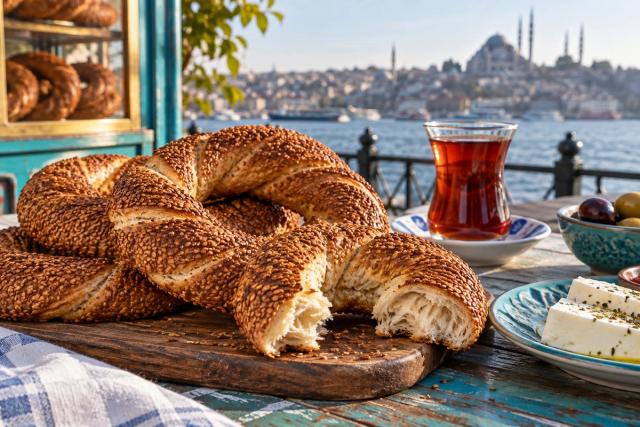
Sesame Bread Rings
Twisted bread rings dipped in grape molasses and generously coated with sesame.
Marmara Region
You can start tasting İstanbul from the street: much of its street food is sold from stalls, from trays and by the water. Simit, found at stalls and bakeries all over the city, goes with tea at any hour of the day. Balık ekmek is sold by the water in Eminönü and Karaköy, and even on the ferries, with freshly grilled fish tucked into bread with tomato, onion and salad. From the trays comes midye dolması: mussels in the half shell filled with spiced rice and sultanas, each finished with a squeeze of lemon. When winter comes, people drink boza, thick and slightly sour, made from fermented millet, and in the same months chestnuts roast on street carts in almost every neighbourhood. Recipes brought by people from across Türkiye and beyond also shape what the city cooks. From the street, turn to İstanbul’s own products: bluefish caught in the Bosphorus and sold fresh, and chestnut honey produced around Şile.
Last updated:
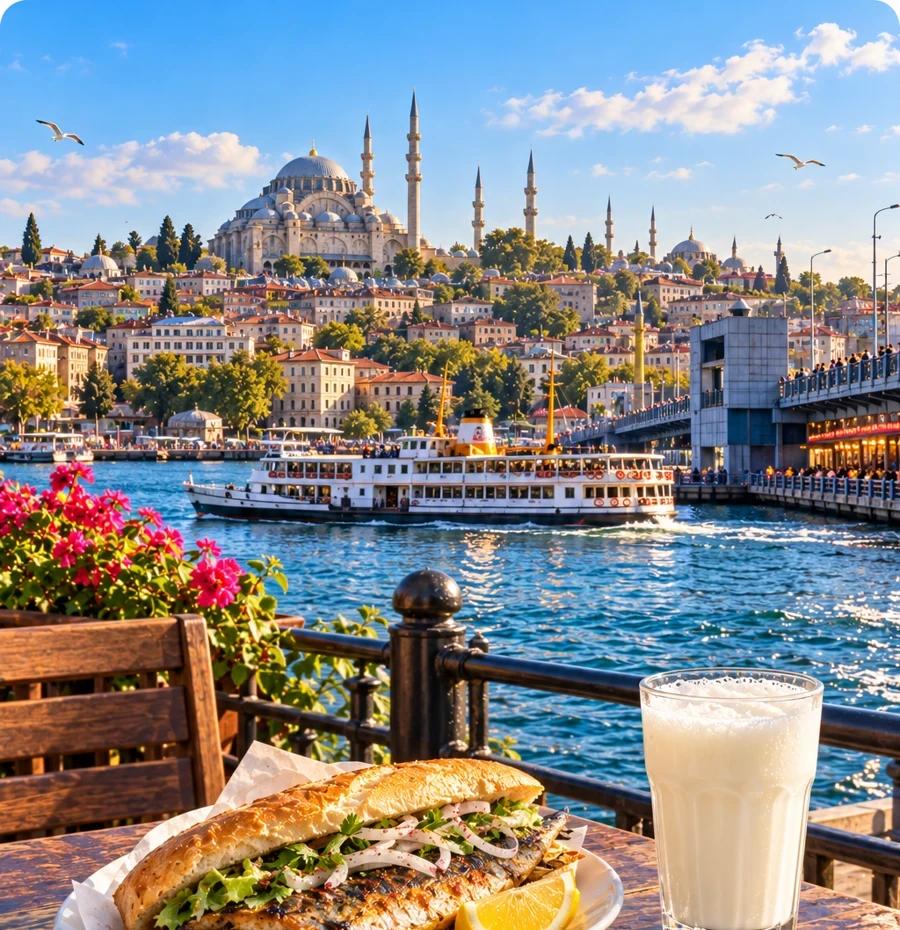
The Bosphorus, ferries and simit stalls by the water.
Twisted bread rings dipped in grape molasses and generously coated with sesame.
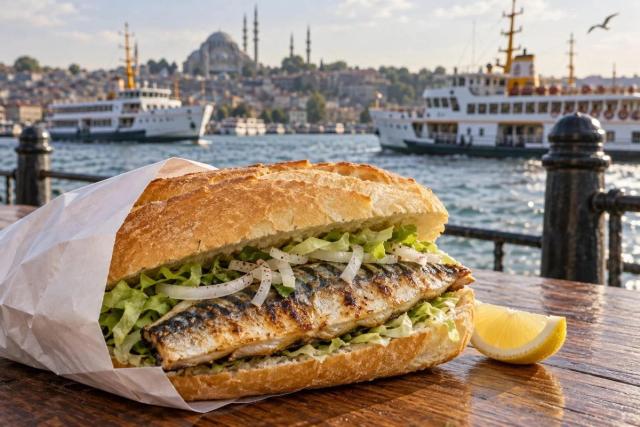
Hot mackerel in crusty bread with crisp lettuce, sliced onion, lemon and optional sumac.
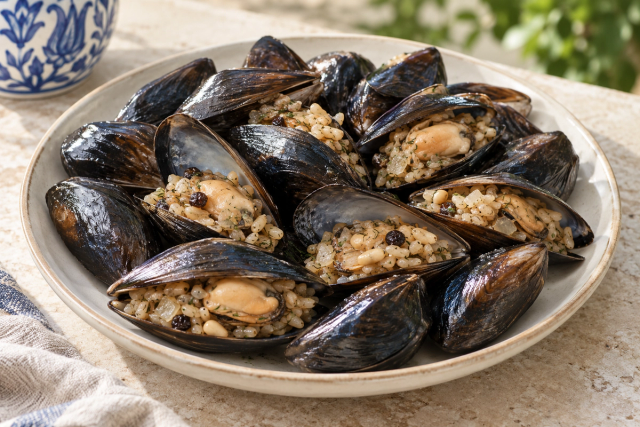
Mussels filled with rice, onion, pine nuts, currants and allspice, cooked in their shells and finished with lemon.
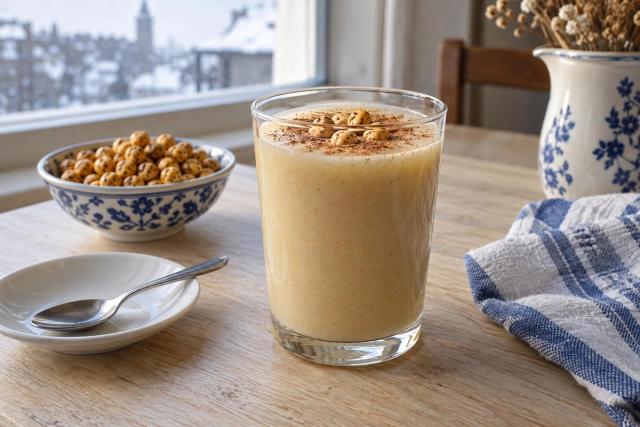
Boza is a thick, sweet-tart fermented grain drink associated with winter evenings.
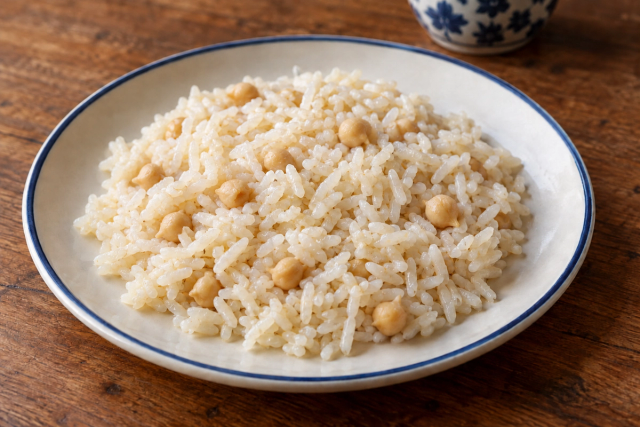
Buttery rice with tender chickpeas, inspired by Istanbul’s street-side pilaf carts. This version uses cooked chickpeas and water, with no chicken topping.
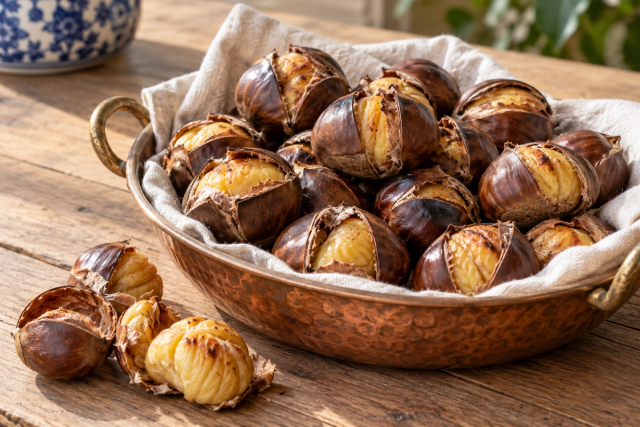
Chestnuts scored, soaked and oven-roasted until tender, then rested under a cloth for easier peeling—a home version of a familiar Istanbul winter snack.
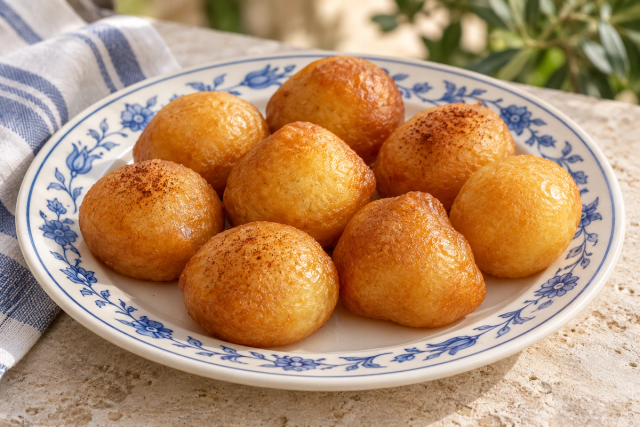
Small golden balls of yeast dough fried and briefly dipped in cooled lemon syrup, with a light dusting of cinnamon.
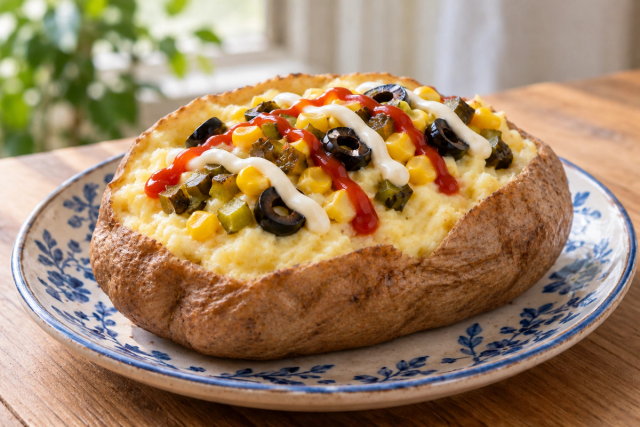
A large baked potato mashed inside its skin with butter and kaşar cheese, then topped with corn, olives, cornichons, mayonnaise and ketchup—an Ortaköy favorite.
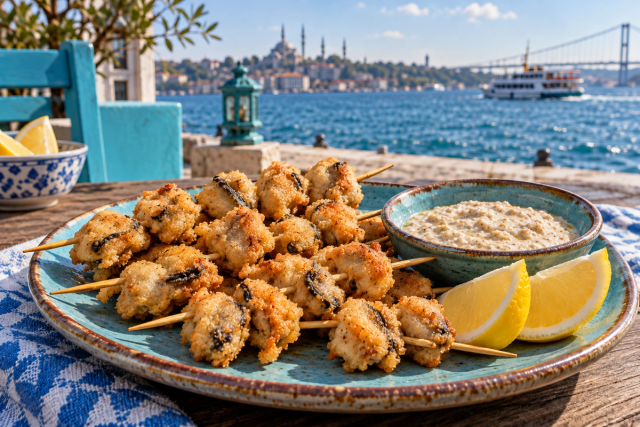
Crisp battered mussels on skewers, served with garlicky walnut-bread tarator and lemon. Mussel meats in a light sparkling-water batter, served with a bread-and-walnut tarator. Midye tava is associated with İstanbul’s coastal food culture; it is distinct from rice-stuffed midye dolma.
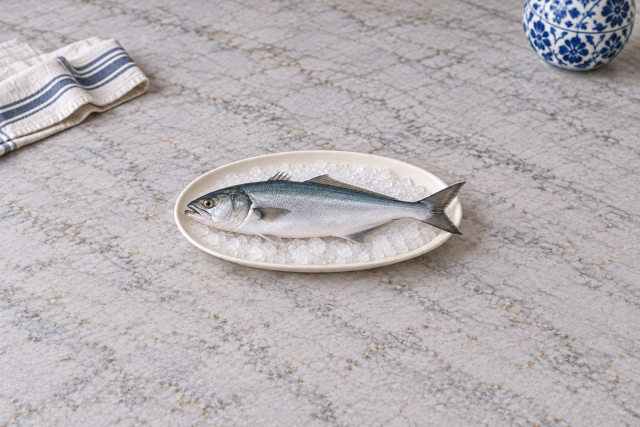
Fresh bluefish from the Bosphorus.
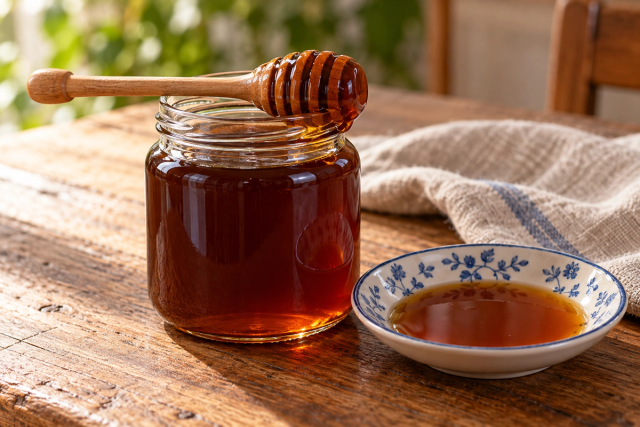
Dark, aromatic chestnut honey from Şile.
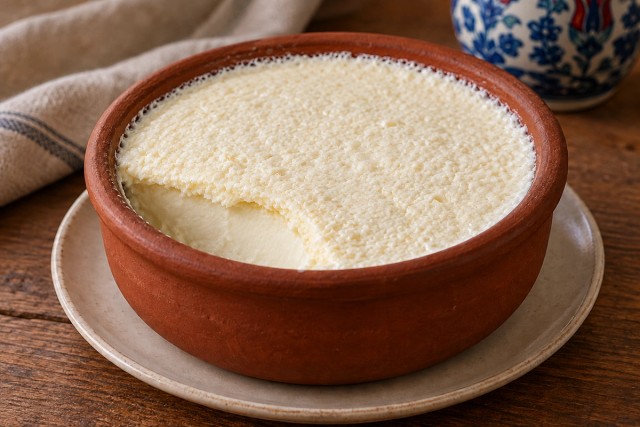
Silivri’s dense yogurt with a thick cream layer.
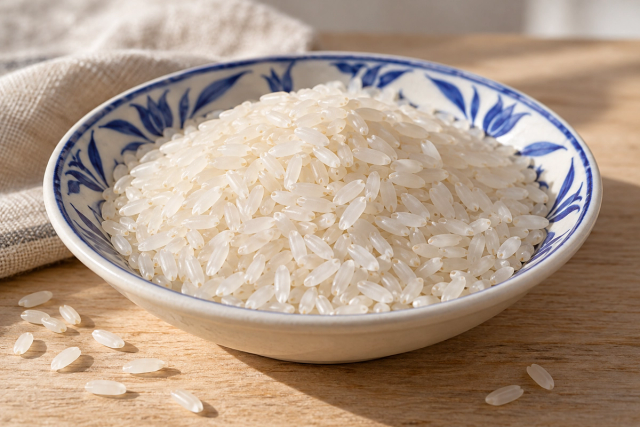
Aromatic white rice from Çatalca’s Ormanlı area.
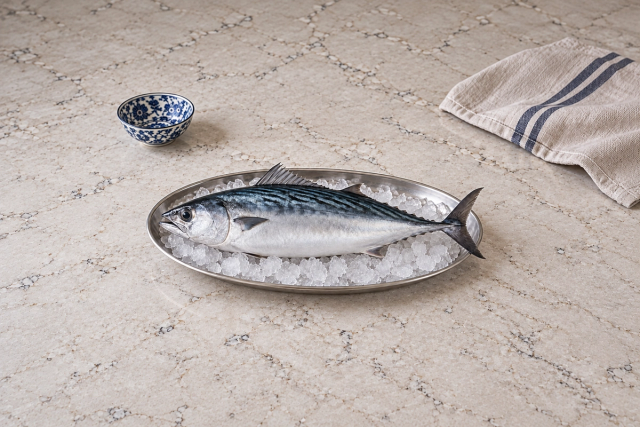
Fresh bonito from Şile’s fishing tradition.
Ferries, harbour districts and neighbourhood food markets provide settings for everyday eating. GoTürkiye describes food sold from small shops, carts, kiosks and waterside locations, alongside a culinary culture shaped by residents from Türkiye and elsewhere. Karaköy, Eminönü and Kadıköy offer different waterfront and market connections. A single sandwich cannot represent every district or household. Coffee, tea, bakery foods and shared meals also belong in the city’s food story.
Simit, balık ekmek, stuffed mussels and roasted chestnuts are sold on the street and by the water.
Recipes brought by people from across Türkiye and beyond shape what İstanbul cooks.
To understand İstanbul’s historic peninsula, start with the water around it: the Golden Horn, a natural harbour, to the north, the Bosphorus to the east and the Sea of Marmara to the south. This peninsula, where Byzantium and later Constantinople developed, was enclosed by walls first built by Theodosius in the early fifth century. The land walls of Theodosius II, strengthened by a second line of defence, became one of the leading references for military architecture.
The city was successively the capital of the Eastern Roman Empire and the Ottoman Empire, and its historic areas bring together works of both periods. Hagia Sophia, the 6th-century work designed by Anthemios of Tralles and Isidoros of Miletus, became a model for an entire family of churches and later mosques. The Süleymaniye Mosque complex, designed by the architect Sinan in the 16th century, is an Ottoman religious ensemble with a madrasa, medical school and library. Around Süleymaniye and Zeyrek Mosque, the former Church of the Pantocrator, vernacular timber housing preserves evidence of the late Ottoman urban pattern.

