


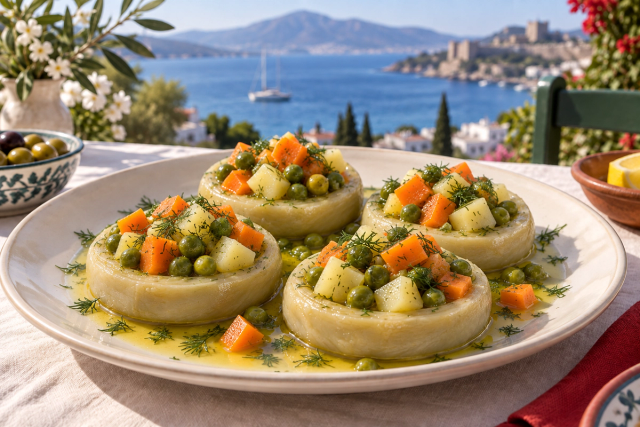
Artichokes in Olive Oil
Tender artichoke bottoms filled with carrot, potato and peas in lemon and olive oil.
Last updated:
Last updated:
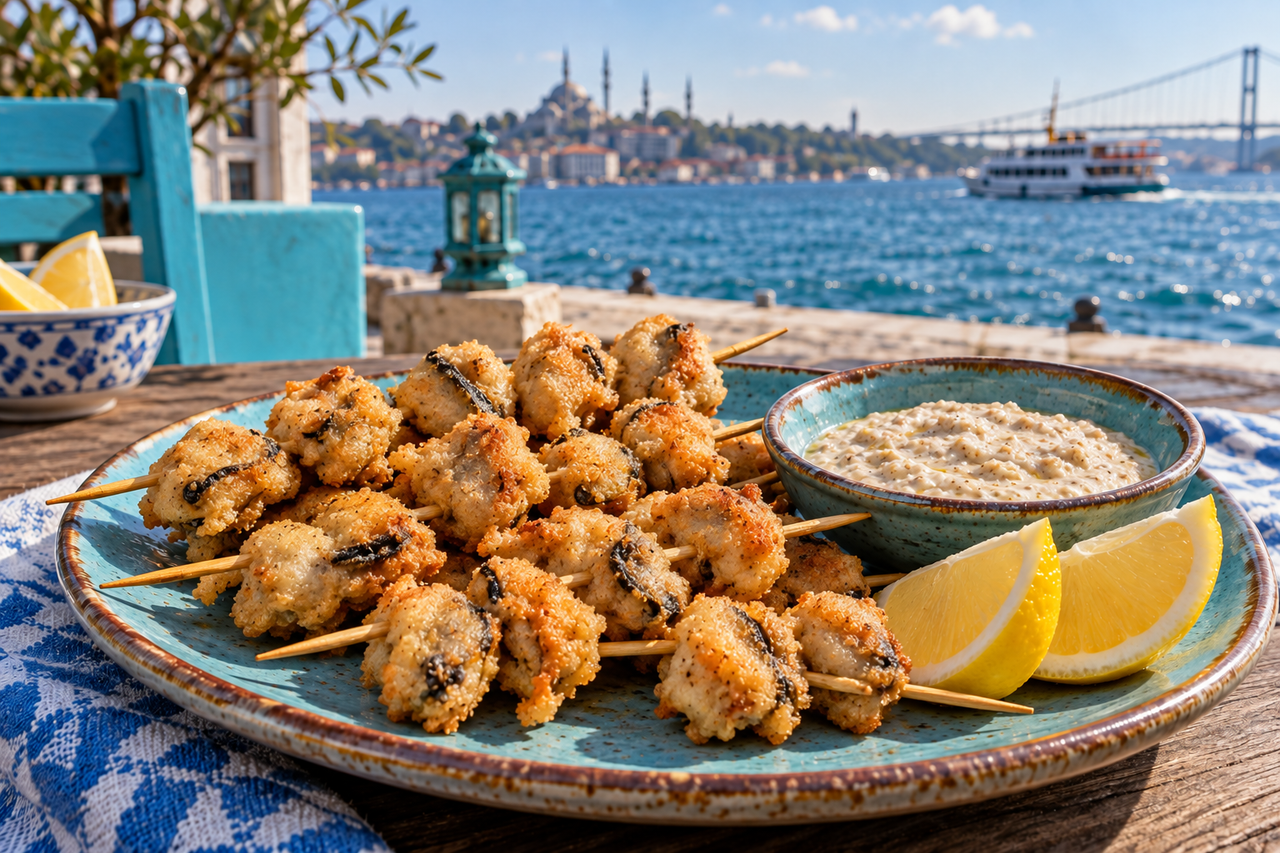
Midye tava
Crisp battered mussels on skewers, served with garlicky walnut-bread tarator and lemon. Mussel meats in a light sparkling-water batter, served with a bread-and-walnut tarator. Midye tava is associated with İstanbul’s coastal food culture; it is distinct from rice-stuffed midye dolma.
Use a deep heavy pan, short skewers that fit inside it, long tongs, a frying thermometer and a thin-tip food thermometer. A draining rack keeps the coating crisp. Keep the pan no more than one-third full of oil.
Prepare the lemon wedges and sauce before handling raw mussels. Soak the weighed bread briefly in cold water until soft, then squeeze out excess water. Blend with the walnuts, garlic, lemon juice, olive oil and a little salt. Add cold water a spoonful at a time until thick and spoonable. Cover and refrigerate while preparing the mussels.
Tarator holds a soft spoonful but is loose enough for dipping.
Use raw mussel meats sold for cooking by a reliable supplier. Check for shell fragments, drain and pat very dry with kitchen paper. Thread a few onto each short skewer in a single loose row; do not compress them into a thick bundle. Keep chilled until frying. Wash hands and clean utensils and surfaces after handling raw shellfish.
Put a 1 ¼-inch depth of oil in a deep, heavy pan, keeping the pan no more than one-third full. Heat to 355°F and monitor with a frying thermometer. Set a draining rack over a tray nearby. Keep water away from the hot oil.
Just before frying, mix the flour, cornstarch and batter salt. Whisk in the ice-cold sparkling water only until combined; small lumps are fine. Dip each skewer and let excess batter drip back into the bowl.
Lower a few battered skewers carefully into the oil with long tongs, leaving space between them. Fry, turning as needed, until pale gold and crisp; start checking after 3 minutes. Use a thin-tip food thermometer to check that the center of a large mussel reaches 145°F. Continue cooking if needed; batter color alone does not establish doneness. Let the oil return to 355°F between batches.
The coating is crisp and the mussel meat reaches 145°F.
Lift out with tongs and drain briefly on the rack. Serve each batch promptly with the chilled tarator and lemon wedges. Discard batter that has touched raw mussels; do not use it as a sauce.
Buy raw, commercially shucked mussel meat from a reliable supplier and keep refrigerated at 40°F or below. Follow the package use-by instructions. Thaw frozen raw meat in the refrigerator; cooked, smoked and pickled mussels are different products.
Dry the mussels thoroughly and avoid crowding. Keep the same oil depth when increasing servings and fry extra batches; do not multiply oil depth or cooking time per skewer.
Weigh the bread before soaking. Blend the tarator until the walnuts are finely ground, adding water gradually. It should be thick enough to cling to a mussel without becoming a stiff paste.
Contains molluscan shellfish, walnuts and wheat. Check bread and other packaged ingredients for additional allergens.
Best fried and eaten immediately. Keep unused tarator covered in the refrigerator. Refrigerate cooked mussels and sauce separately at 40°F or below within 2 hours, or within 1 hour above 90°F. The crisp coating softens during storage.
Tender artichoke bottoms filled with carrot, potato and peas in lemon and olive oil.
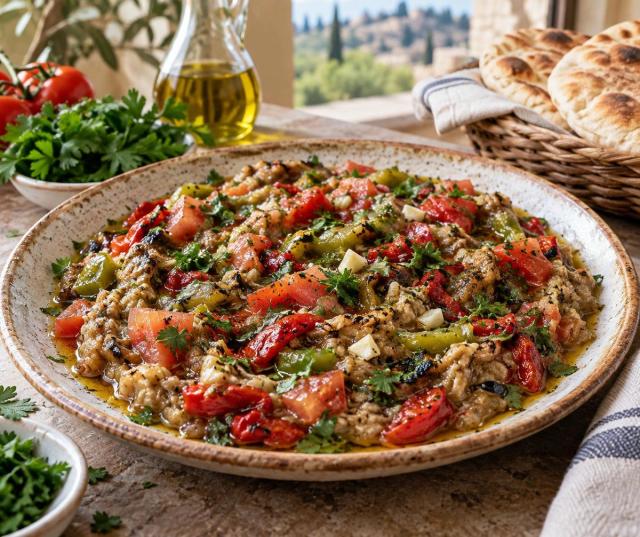
Coarsely chopped charred eggplant, peppers and tomato with garlic, olive oil and lemon.
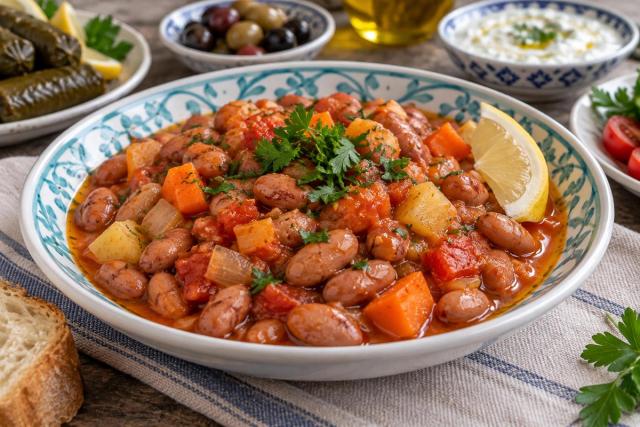
Borlotti beans with tomato, carrot, potato and garlic in a mellow olive-oil sauce.
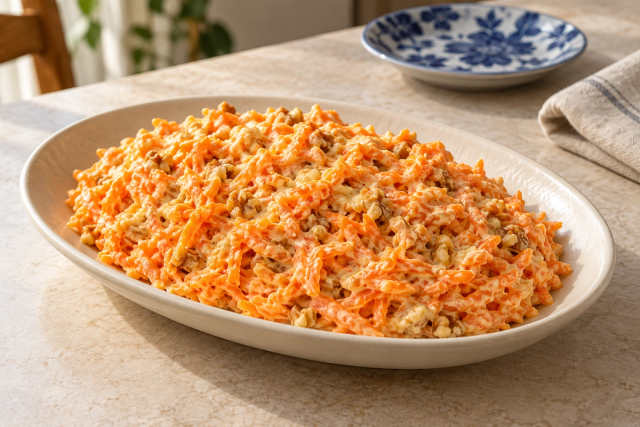
Soft grated carrots, garlic yogurt and walnuts make a creamy meze with a gentle sweetness.
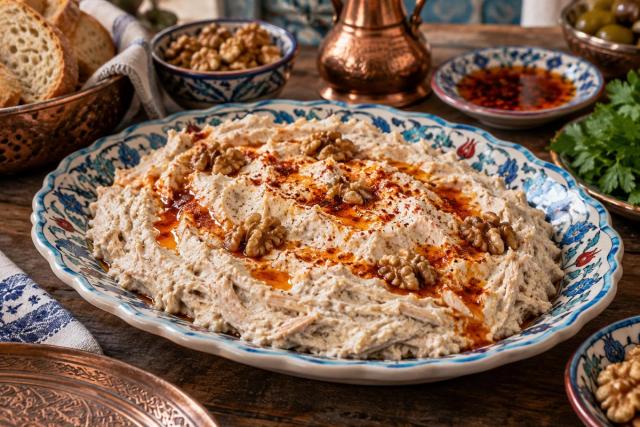
Finely shredded chicken folded into a creamy walnut, bread and garlic sauce.
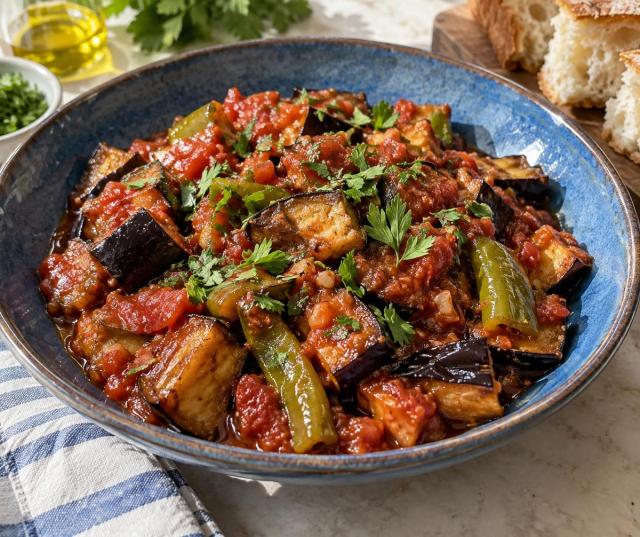
Tender browned eggplant and green peppers dressed with a chunky garlic-tomato sauce.
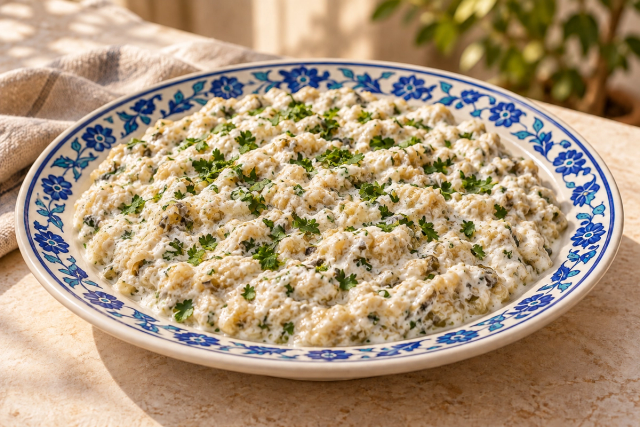
Flame-charred eggplant folded into garlic yogurt with lemon and olive oil, finished with parsley.
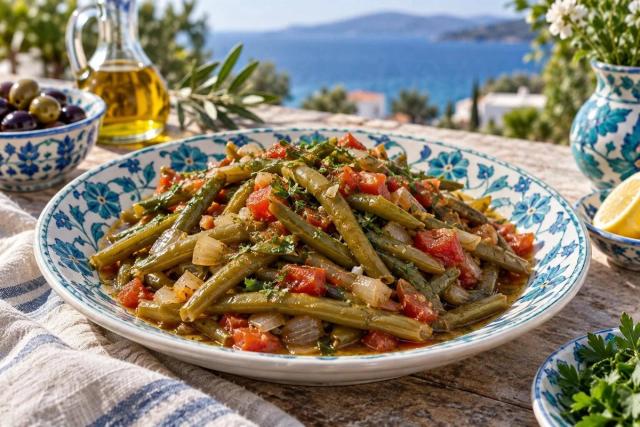
Fresh cowpea pods gently braised with tomato, garlic and olive oil.
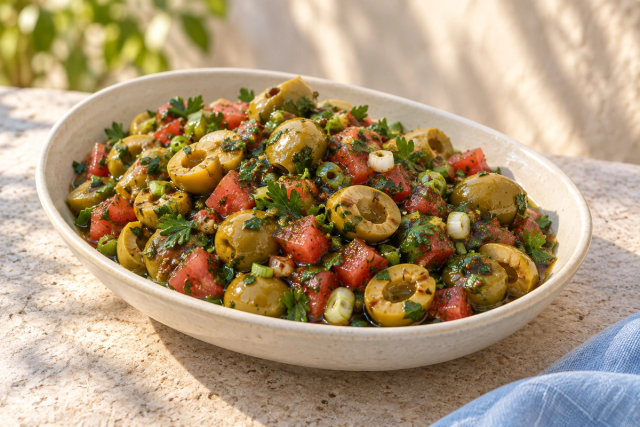
Green olives, tomato, parsley and spring onion in a tangy pomegranate and lemon dressing.
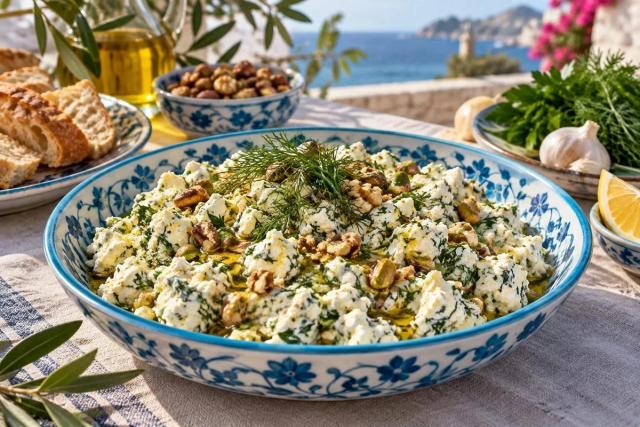
A textured white-cheese meze with strained yogurt, walnuts, pistachios and fresh herbs.
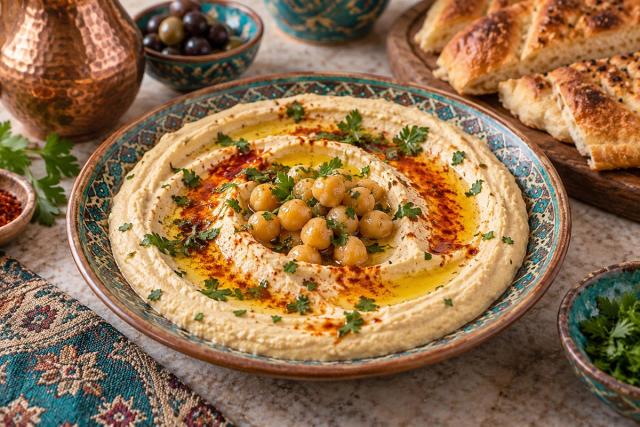
Smooth chickpeas blended with tahini, lemon and garlic, finished with olive oil and red pepper.
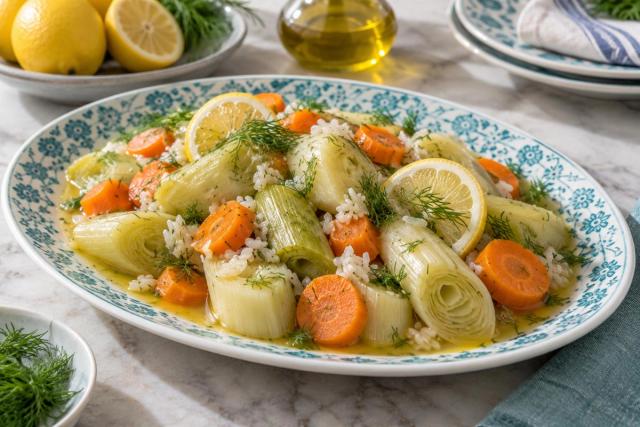
Tender leek pieces, carrot and rice in a gentle lemon and olive-oil cooking liquid.