


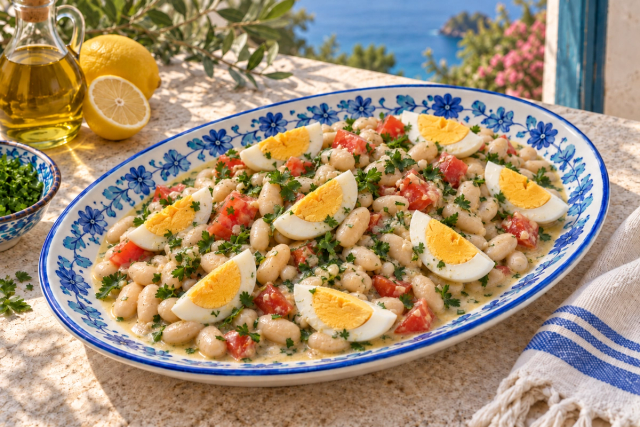
White Bean Salad with Tahini
Cooked white beans with a lemon-tahini dressing, tomato and parsley, topped with hard-boiled eggs. An Antalya-style home adaptation.
Mediterranean Region
We often think of Antalya as a city of sea and sun, yet once you sit down at the table, another Antalya opens up before you. The piyaz served alongside şiş köfte cooked over embers stands apart from the bean salads you know because of its tahini tarator. Tahini meets garlic, lemon and spices in hibeş, and at the end of the meal it is poured, together with walnuts, over pumpkin dessert. The story of this cuisine, however, will not fit on a single table in the city center. Along the coast you come across Finike’s oranges, Manavgat’s sesame and Alanya’s bananas. In Alanya, gülüklü çorba with its small meatballs takes its place at wedding tables, while the roads leading towards the Taurus introduce you to Yörük cooking. A curiosity that begins with a plate of piyaz grows from there towards the districts, their local products and different tables. This time, discover Antalya not only through its sights but through the flavors to taste, and the stories to learn, at every stop.
Last updated:
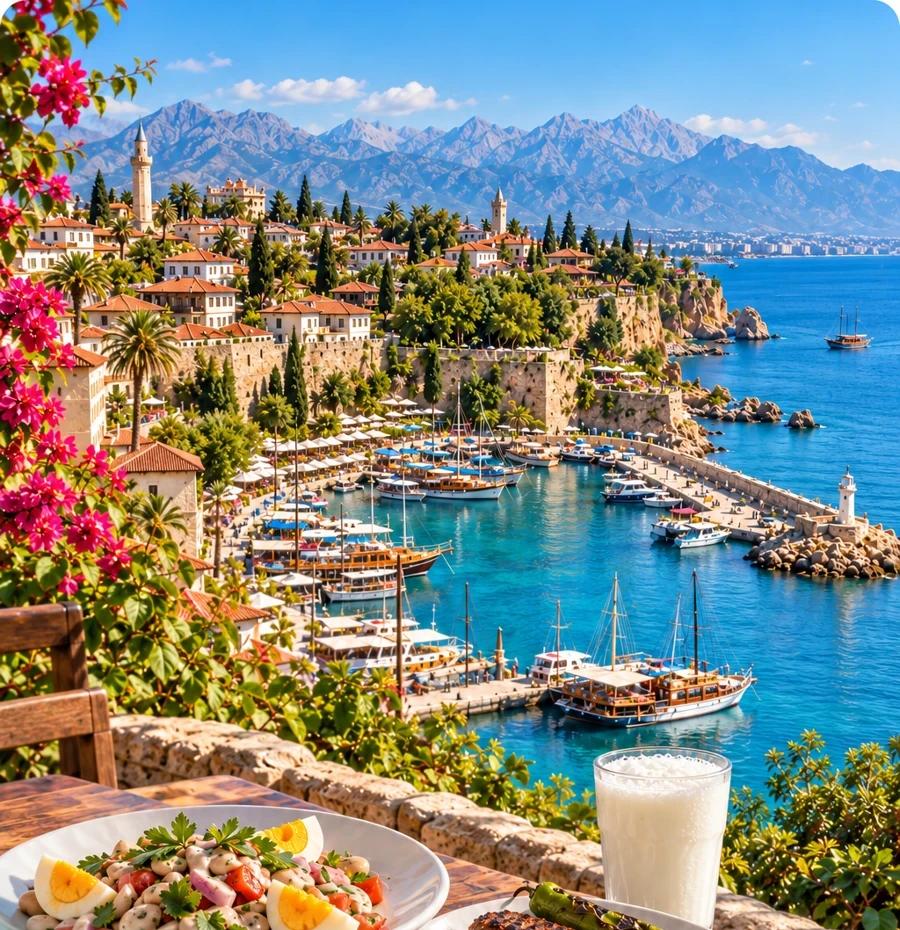
Sea, mountains and a table rich with tahini.
Explore the dishes that shape the city’s table.
Cooked white beans with a lemon-tahini dressing, tomato and parsley, topped with hard-boiled eggs. An Antalya-style home adaptation.
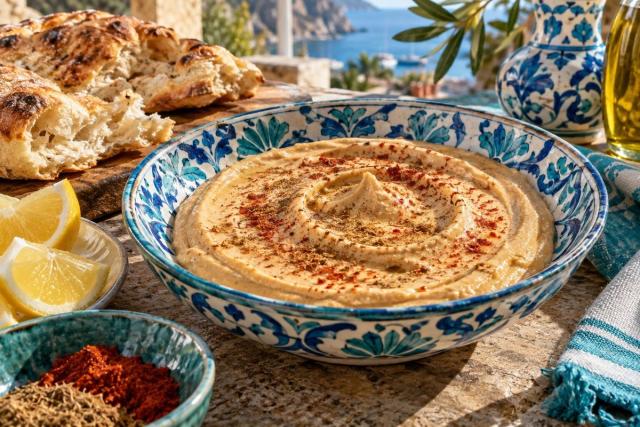
A smooth Antalya tahini meze with lemon, garlic, cumin and red pepper, whisked until thick and spreadable. Hibeş is associated with Antalya’s tahini-rich cooking. Its base is sesame paste, lemon, garlic and spices; this version contains no chickpeas.
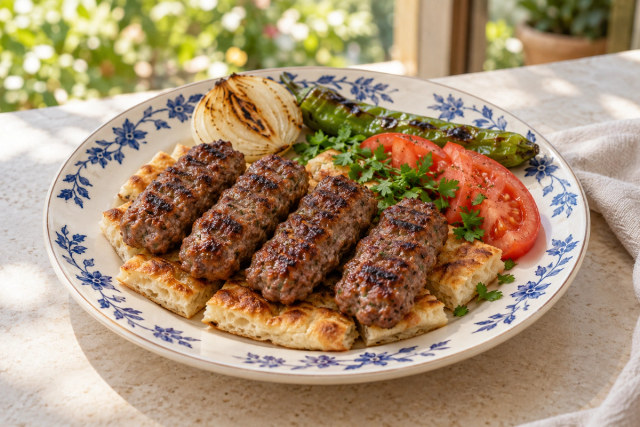
Beef and lamb seasoned with table salt, shaped onto skewers and grilled over charcoal, served over pide with grilled onion and peppers.
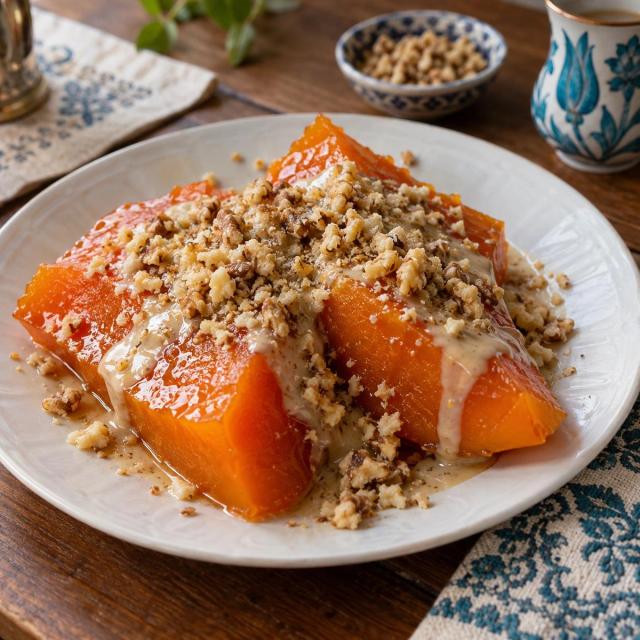
Pumpkin slowly cooked in its own syrup, lightly browned in the oven and finished with double-roasted tahini and walnuts.
Creamy beef soup
Beef head meat and bone broth with a creamy egg, flour and saffron liaison, served with koşma bread.
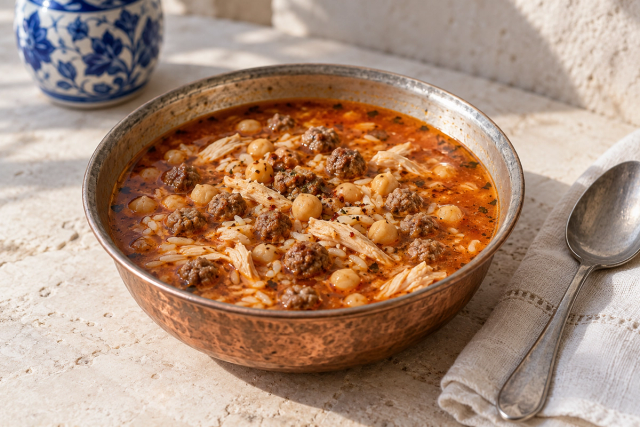
A tomato-based soup with chicken, chickpeas, rice and tiny meatballs, flavored with dried mint.
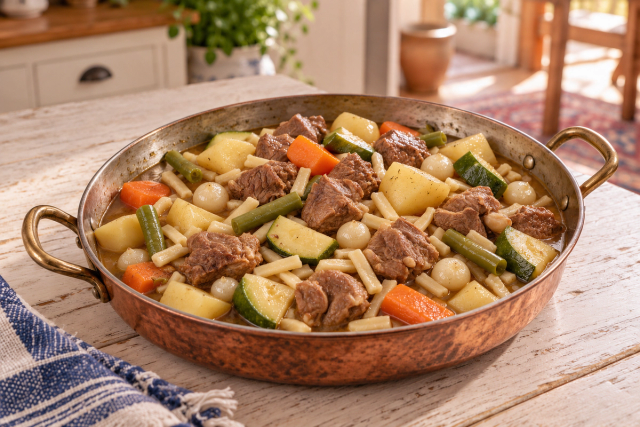
Tender lamb, whole pearl onions and vegetables simmer together before cooked erişte is folded through the juices. A hearty Antalya-style stew.
Burnt ice cream
Ice cream made from Taurus goat milk, cream, salep and sugar, with a distinctive smoky note.
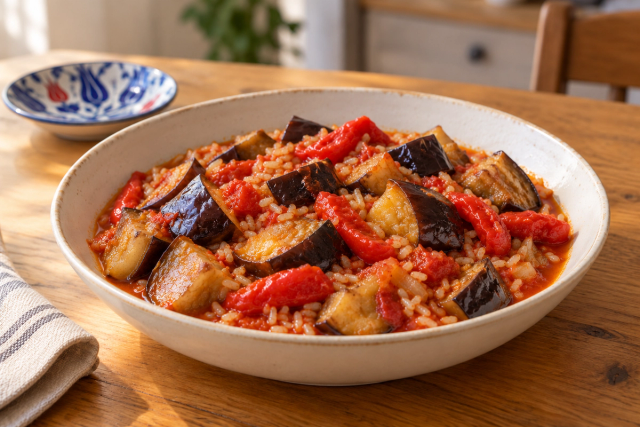
Eggplant, tomato, sweet red pepper and rice gently cooked with olive oil, onion and garlic.
Hand-stretched börek
Dough stretched paper-thin by hand, without a rolling pin, folded around minced meat or cheese and baked; served at weddings, religious gatherings and funerals.
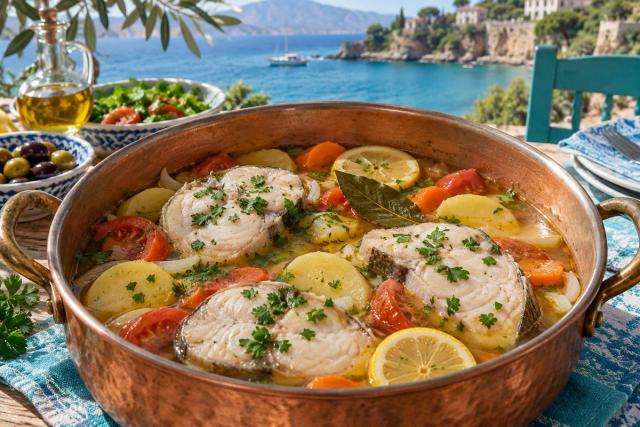
Thick grouper steaks gently cooked over potatoes, carrots, tomato and lemon.

A hot büfe sandwich with a ring-cooked egg, melted cheese and pickles. Inspired by our editor’s childhood memories of eating yengen at Antalya Spor Büfesi, this version features a round bun, grilled sucuk and sosis, melted kaşar, and an egg cooked in a metal ring.

Sweet, seedless Washington Navel oranges from Finike.
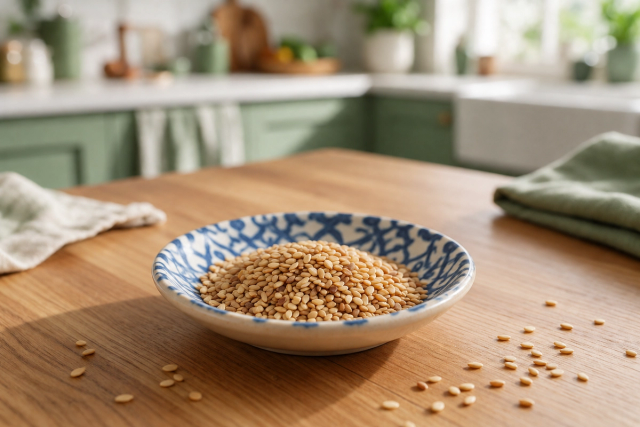
Aromatic golden-tan sesame from Manavgat.
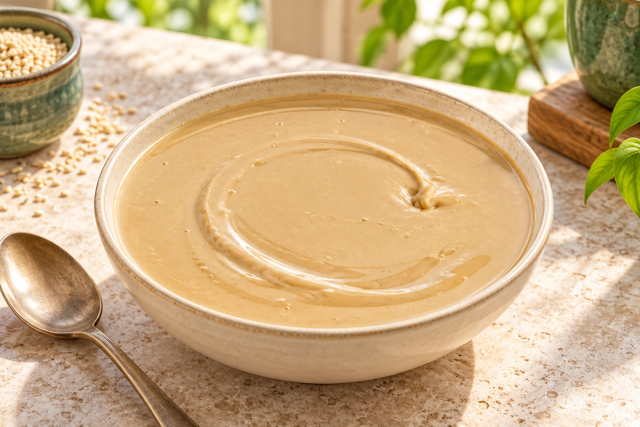
A paste of roasted sesame kernels that gives dressings sesame flavor and body.
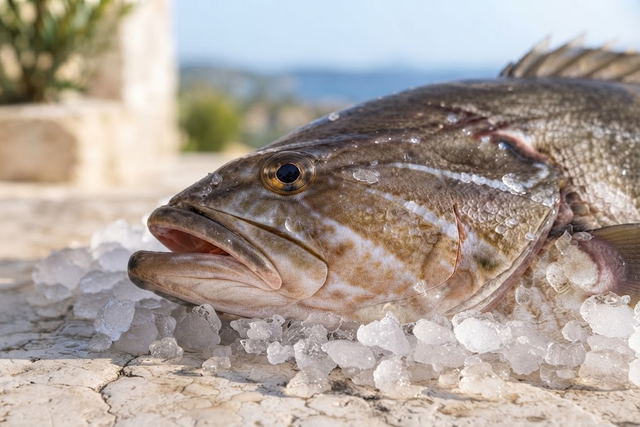
Thick raw grouper steaks that hold their shape in gently cooked fish dishes.
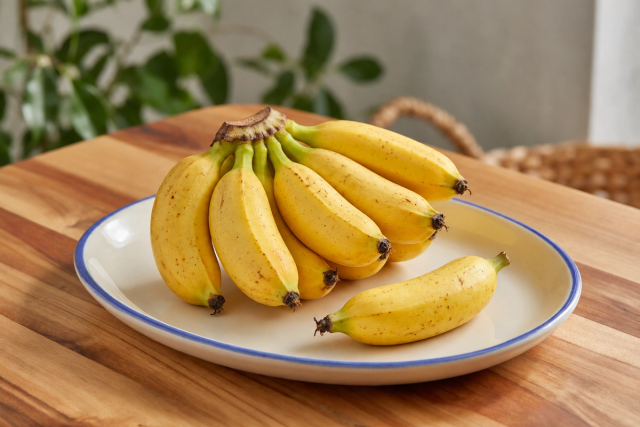
Aromatic Dwarf Cavendish bananas from Alanya.
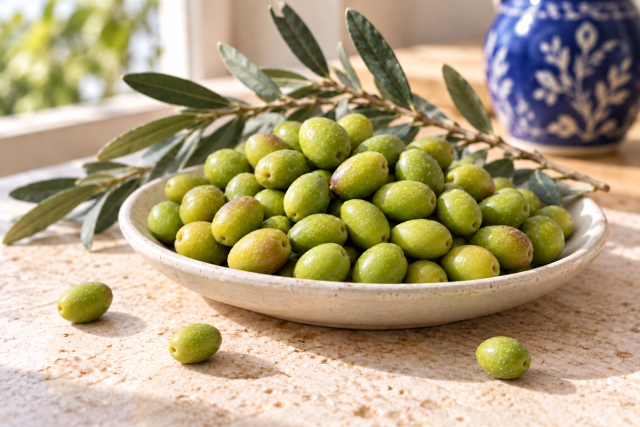
Antalya’s firm, heart-shaped green-olive variety.
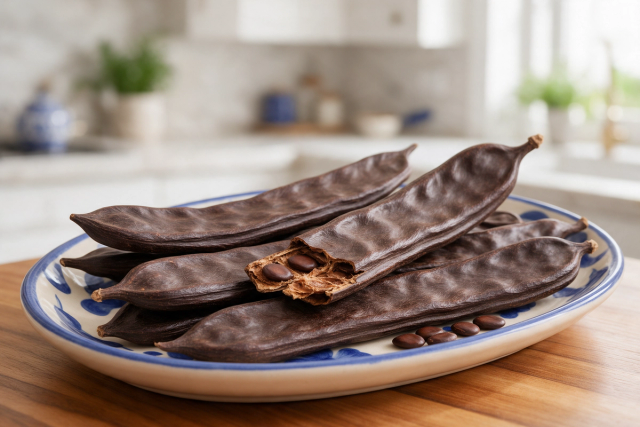
Naturally sweet, dark brown carob pods from Alanya.
Antalya’s table brings together the Yörük cooking of the Taurus highlands and the vegetables, herbs and seafood of the coast. Yogurt came from the Yörük, and herb-rich dishes from Cretan families who arrived in the 1924 population exchange, while keşkek remains a fixture of weddings and special days.
Tahini binds piyaz, gives hibeş its body and finishes pumpkin dessert.
The Yörük cooking of the Taurus meets the Mediterranean’s vegetables and seafood.
Start exploring Antalya’s past in Kaleiçi. Antalya, which takes its name from the city’s founder Attalos II, was a port city that flourished in the Roman period. Hadrian’s Gate, the old harbour and the walls enclosing Kaleiçi are traces of that past still visible today. Considered together, these structures help you understand the place the city’s relationship with the sea holds in urban life. A stroll from around the old harbour out to the walls is a fine way to follow the city’s history within the present-day city.
The Taurus Mountains rising behind the city give Antalya’s geography a different scale. Across the province, the Mediterranean shore and mountainous terrain draw close to one another; beyond the citrus groves, greenhouses and beaches come mountain villages and highland pastures. Getting to know this broad geography means bringing both the coast and the uplands into an Antalya journey. As you carry the discovery that began in Kaleiçi, facing the harbour, onward towards the Taurus, the province’s different settings of life come into view as well.


