


The Turkish pantry
Finike Oranges
Juicy Washington Navel oranges from the Finike growing area, used fresh, squeezed or zested.
Last updated:
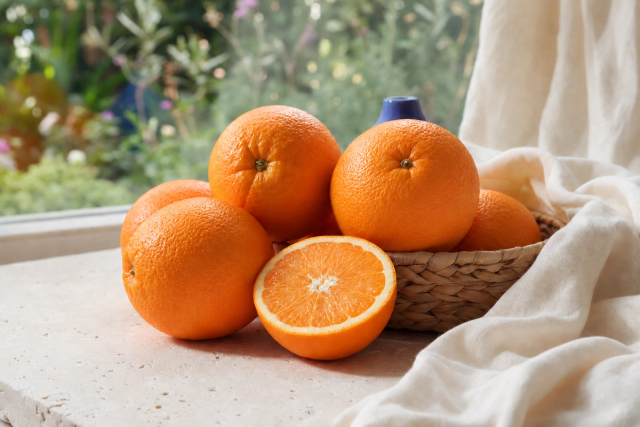
Finike oranges are Washington Navel sweet oranges associated with the Finike growing area in Antalya. Their orange peel encloses juicy, seedless segments. The regional name identifies their origin as well as the fruit variety.
Types & forms
Whole fresh fruit
Peel encloses the white pith and juicy orange segments; the blossom end has the characteristic navel.
Segments, juice and zest
Segments provide the flesh, squeezed juice provides liquid, and finely grated colored peel provides citrus aroma. These forms play different roles in a recipe.
What to look for when buying
- Look for the Finike product name and growing origin on the label or ask the seller about the origin.
- Choose fruit that feels heavy for its size, with sound skin and no leaking or moldy areas.
Prepare & cook
- Wash the whole orange under running water before cutting or zesting.
- Peel and separate the segments for eating, or squeeze when a recipe calls for juice.
- For zest, grate the colored outer peel rather than the white pith. Measure the juice or zest a recipe requests; fruit size does not give a fixed juice yield.
Store it well
- Keep whole fruit away from direct sunlight and excess moisture.
- Refrigerate peeled or cut fruit in a clean container.
Substitutions depend on the dish
Other navel oranges
Another sweet navel orange can provide segments, juice or zest when Finike fruit is unavailable; it does not carry the Finike growing identity.
Bitter orange
Bitter orange has a different flavor and is not a direct replacement for this sweet eating orange.
Nutrition
No nutrition table specific to Finike oranges is provided; values vary with ripeness and the fruit portion used.
At the Turkish table
Finike is an important citrus-growing district of Antalya. Fresh oranges and their juice are familiar winter market foods.