


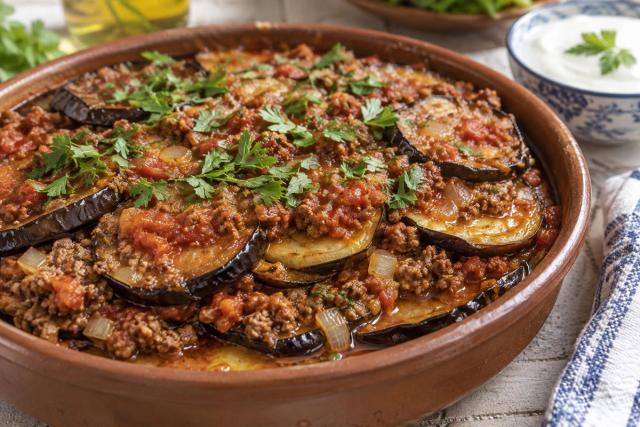
Drying surfaces before cooking
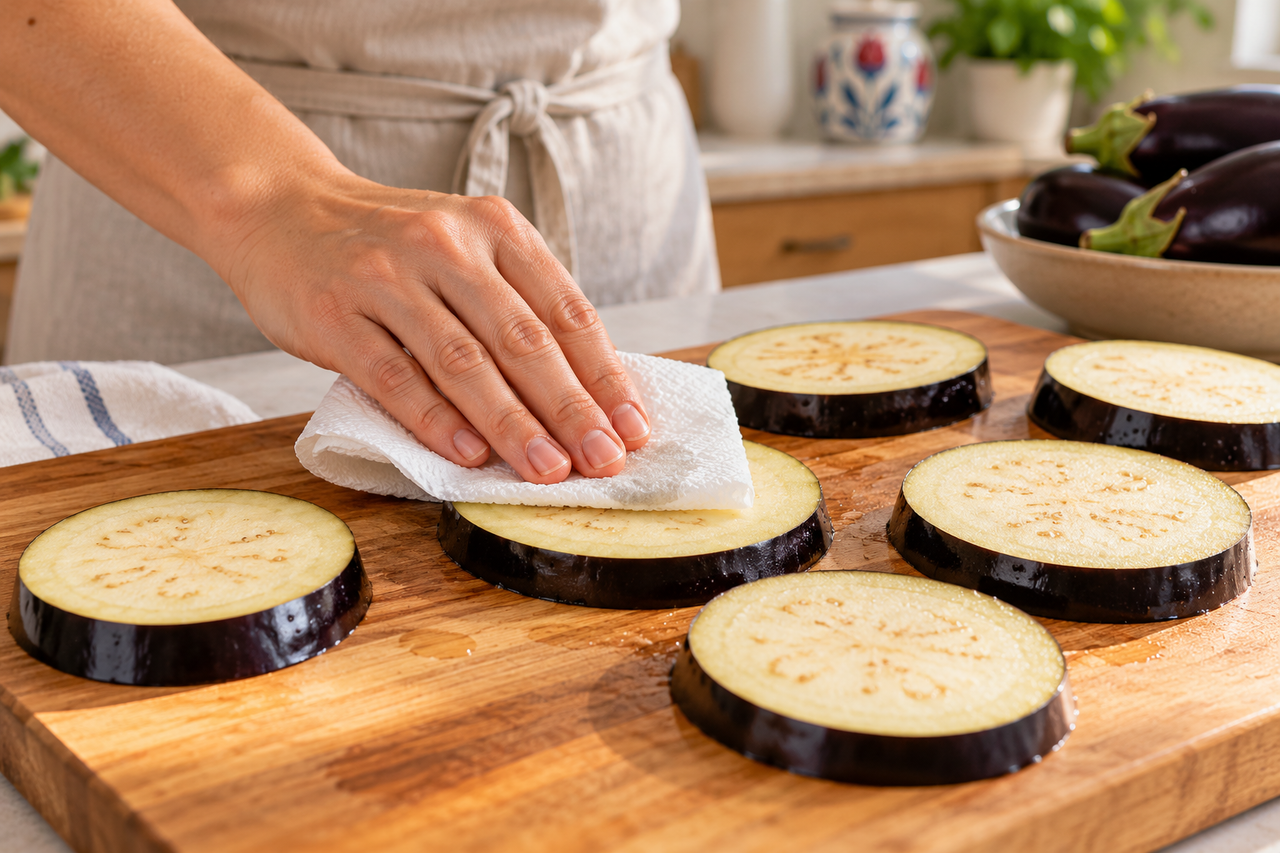
Blot away surface moisture before the recipe’s oiling and cooking stage.
What this skill is for
Surface drying removes water on the outside of food without squeezing moisture out of its center. Use it where the recipe asks you to pat food dry before roasting or pan cooking.
Here, eggplant is the example. Our musakka and stuffed-eggplant recipes salt it before drying; that does not mean every vegetable needs salting or that every mushroom recipe needs a dry start.
How to do it
- Prepare the food as directed. If your recipe includes salting or soaking, follow that stage and its timing first without adding an extra salting step.
- Place the food on a clean board or tray without stacking it. For eggplant slices, leave room to reach both cut faces. For whole eggplants peeled in strips, as in our stuffed-eggplant recipe, turn each one so you can blot all exposed flesh and skin.
- Use clean kitchen paper or a clean absorbent cloth suitable for food. Gently blot the exposed surface to pick up droplets; do not scrub or crush the flesh.
- Turn the pieces with clean hands or utensils and blot the other side. Replace a soaked piece of paper rather than spreading the water around.
- Check for beads of water, then add the recipe’s oil and continue cooking as directed. The eggplant should feel dry on the surface while its flesh remains intact.
Recognize success
- No beads or pools of water remain on the exposed surfaces.
- The flesh is intact rather than bruised, rubbed away or squeezed flat.
- The next cooking stage follows the recipe’s own color and tenderness cues.
Common mistakes and what to do
- Stacking wet pieces leaves hidden faces damp. Spread them out and check both sides.
- Rubbing hard damages delicate flesh. Blot gently; do not try to wring eggplant slices like grated zucchini.
- Turning drying into a universal rule can contradict a deliberate steam-then-brown method. Follow the chosen recipe, including any water it intentionally adds.
Last updated:
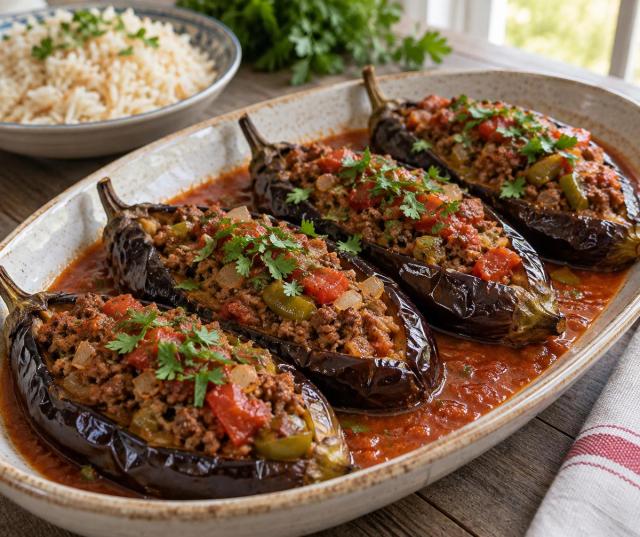
Practice with a real recipe
Related skills
Dry-Heat Cooking
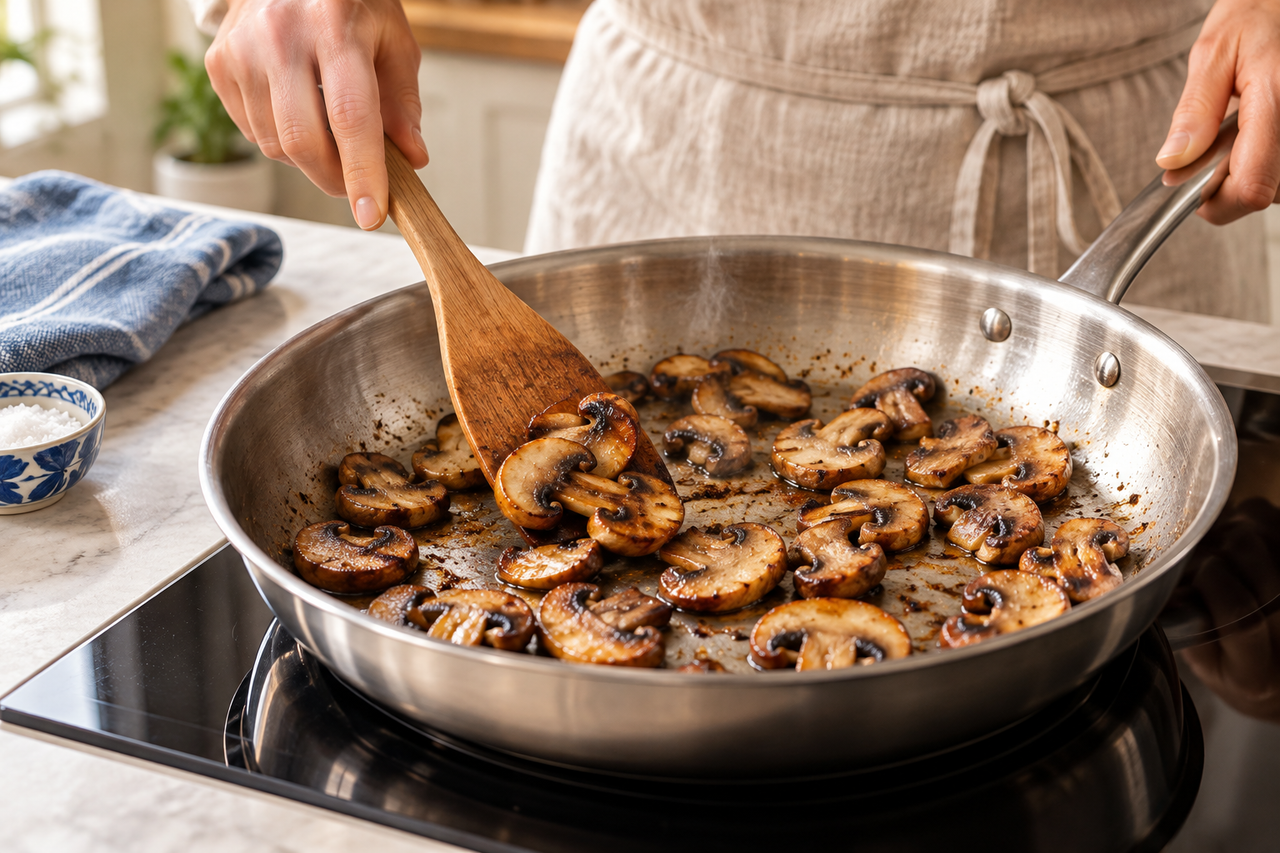
Brown food in a pan
Recognize the difference between food releasing liquid and food beginning to brown.
Moisture Control
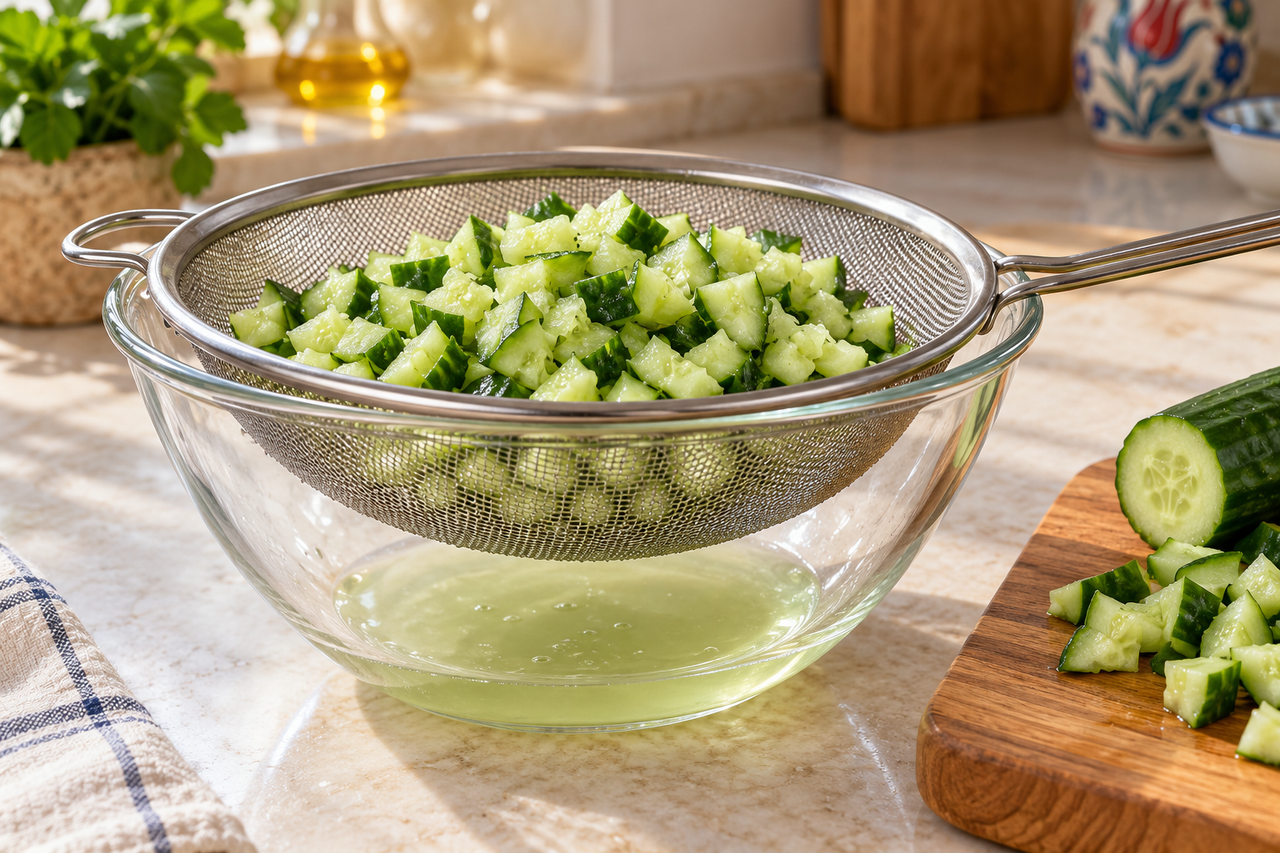
Draining cut vegetables
Let unwanted liquid drain away while keeping the vegetable pieces intact.