


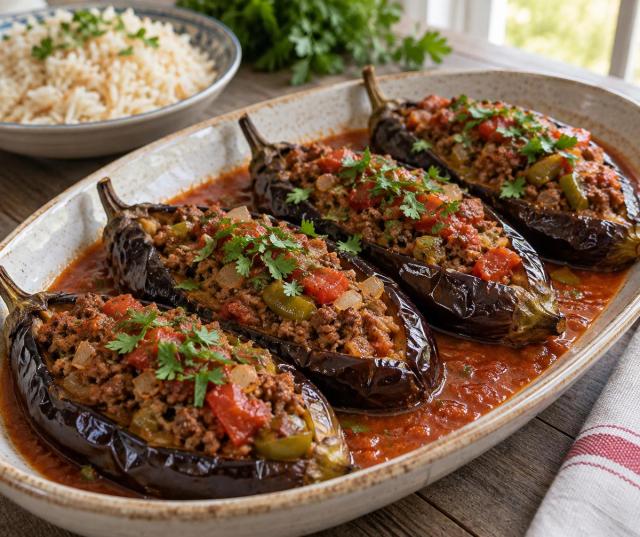
Brown food in a pan
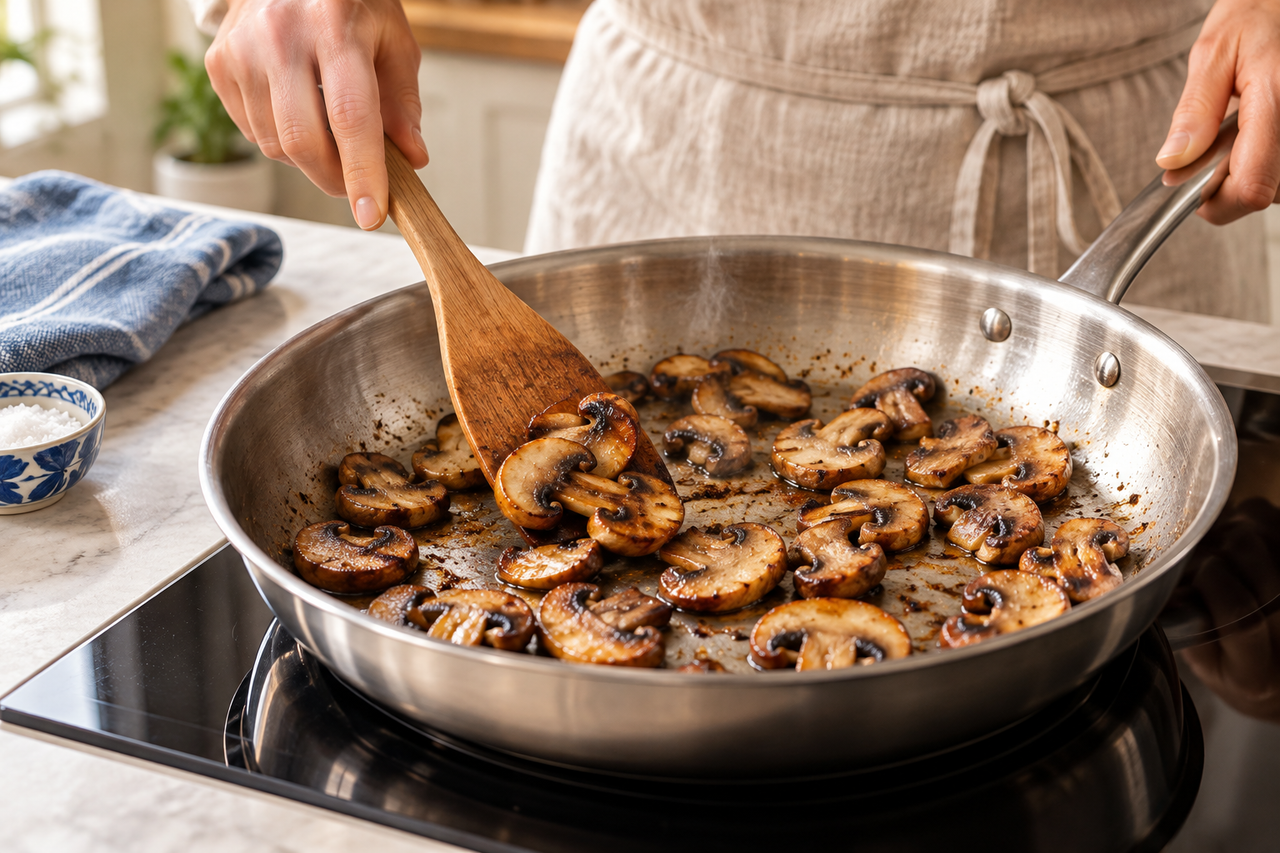
Recognize the difference between food releasing liquid and food beginning to brown.
What this skill is for
Browning develops a deeper surface color and flavor. Use this skill where a recipe asks you to brown meat or vegetables; some recipes deliberately ask for softening without color instead.
How to do it
- Prepare the pieces and use the pan, fat and heat specified by the recipe.
- Spread the food so you can see and work with its surface. Use batches when the recipe calls for them.
- Watch the liquid stage. Let excess liquid evaporate as directed before expecting a browned surface.
- Turn or stir according to the ingredient. Stop at the recipe's desired color and doneness, rather than chasing the darkest possible surface.
- For ground beef, spread it into contact with the pan rather than constantly stirring a deep mound. Break and turn it as the recipe directs. If it releases water, let that liquid stage finish as instructed before expecting browning; use batches when needed rather than piling more food into pooled liquid.
Recognize success
- The food has browned patches rather than only a pale, wet surface.
- The pan remains controllable: food is not scorching while you wait for other pieces to color.
- Ground beef can be gray while its juices are still bubbling; that is not yet the same as browned surfaces. Look for browned patches when the recipe asks for them, then complete its separate doneness checks.
Common mistakes and what to do
- If liquid pools, do not assume the food has browned because it has cooked for a while. Manage the liquid stage first.
- If the pan starts scorching, reduce the heat and reassess. Burnt flavor cannot reliably be covered with more seasoning.
- Treating brown color as proof of safe meat is a mistake. Check ground beef with a food thermometer: it needs to reach at least 160°F. This is a ground-beef check, not a universal temperature for poultry, fish or every browned food; follow the chosen recipe’s other safety checks as well.
Last updated:
Practice with a real recipe
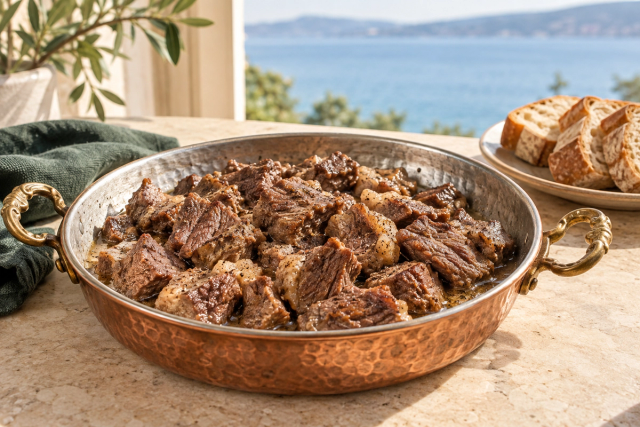
Related ingredients
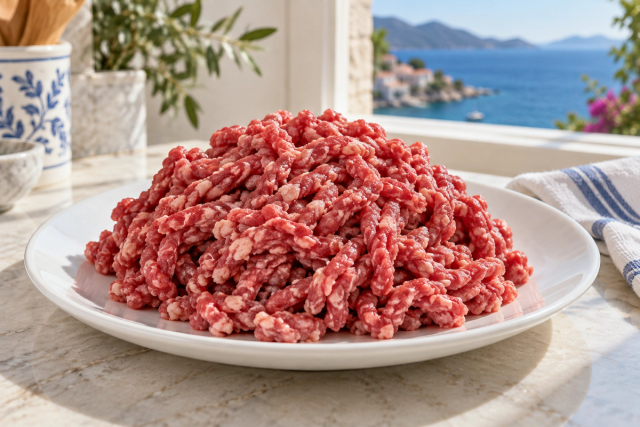
Related skills
Moisture Control
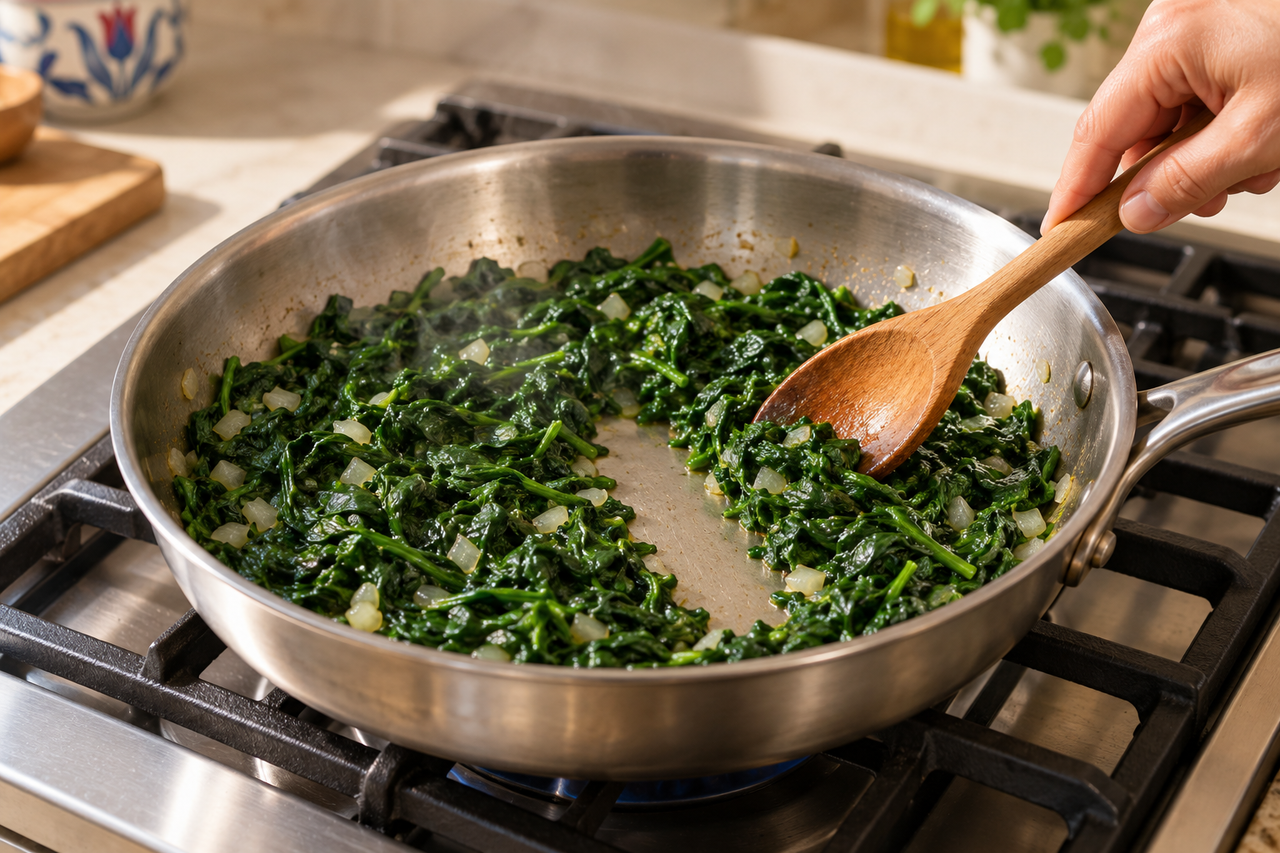
Cooking off excess liquid
Let released water evaporate until the filling reaches the texture your recipe needs.
Moisture Control
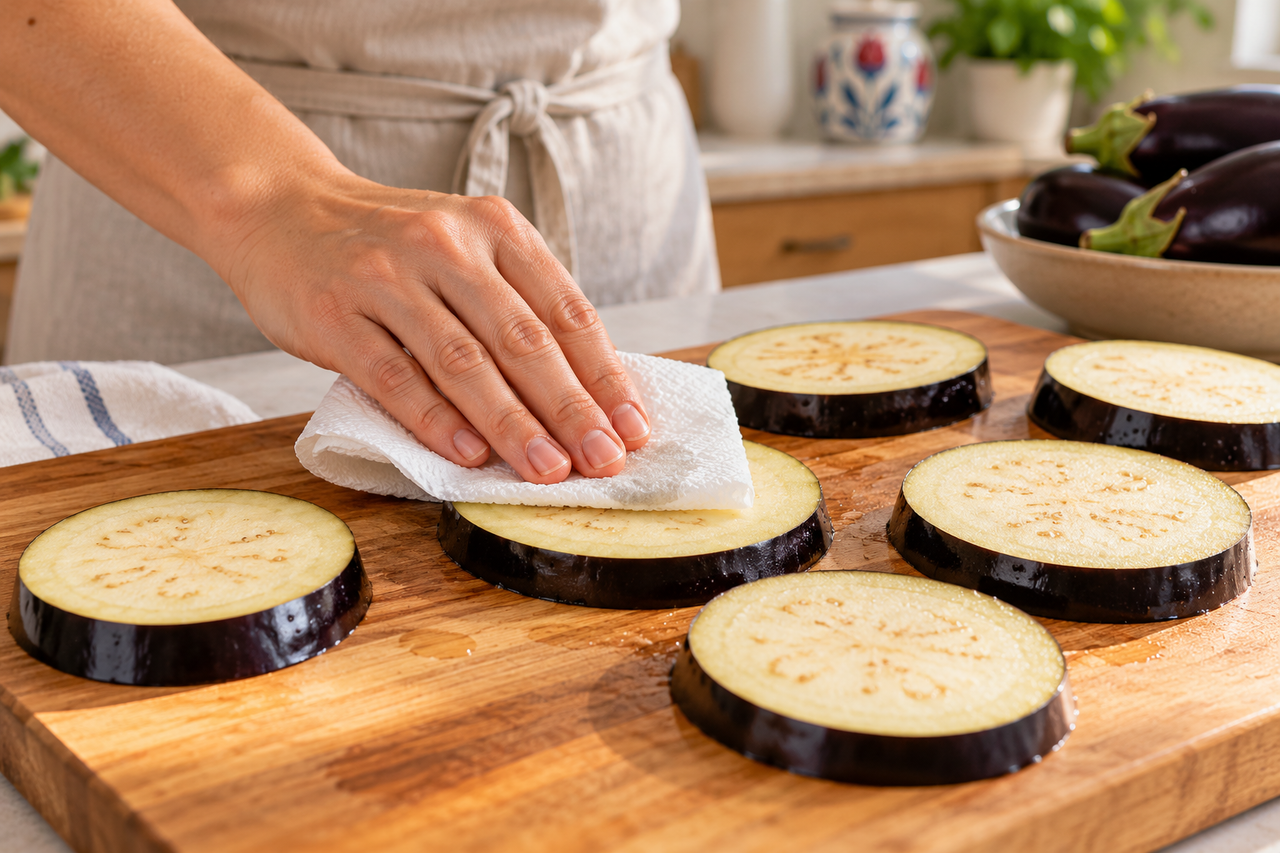
Drying surfaces before cooking
Blot away surface moisture before the recipe’s oiling and cooking stage.