


İzmir boyozu
Tahini-layered round pastry
A round, coiled pastry of flour, water and salt, layered with a fat-and-tahini mix and baked until lightly golden.
Aegean Region
Breakfast in İzmir is often eaten on the go, with boyoz, gevrek and kumru coming from bakeries and stalls all over the city. Boyoz is a dough layered with a fat-and-tahini mix and coiled into a round shape. It is eaten alongside gevrek, a ring of bread dipped in molasses and coated in sesame. Kumru is soft bread made with chickpea sourdough, filled with cheese, sucuk and tomato and toasted. Head out to the districts and köfte speaks another dialect. In Tire, long, thin beef köfte are smoked over a wood fire. They are finished in butter and served either plain or with tomato and yogurt. Ödemiş köftesi is made with semolina, grilled over charcoal and served on bread dipped in paprika butter. Among the vegetables, Urla’s early sakız enginarı stands out. This artichoke is harvested from November to April. If your day began with a boyoz, add one more name to your list for cheese: Bergama tulum. It is made mostly from ewe’s milk and aged in a skin sack.
Last updated:
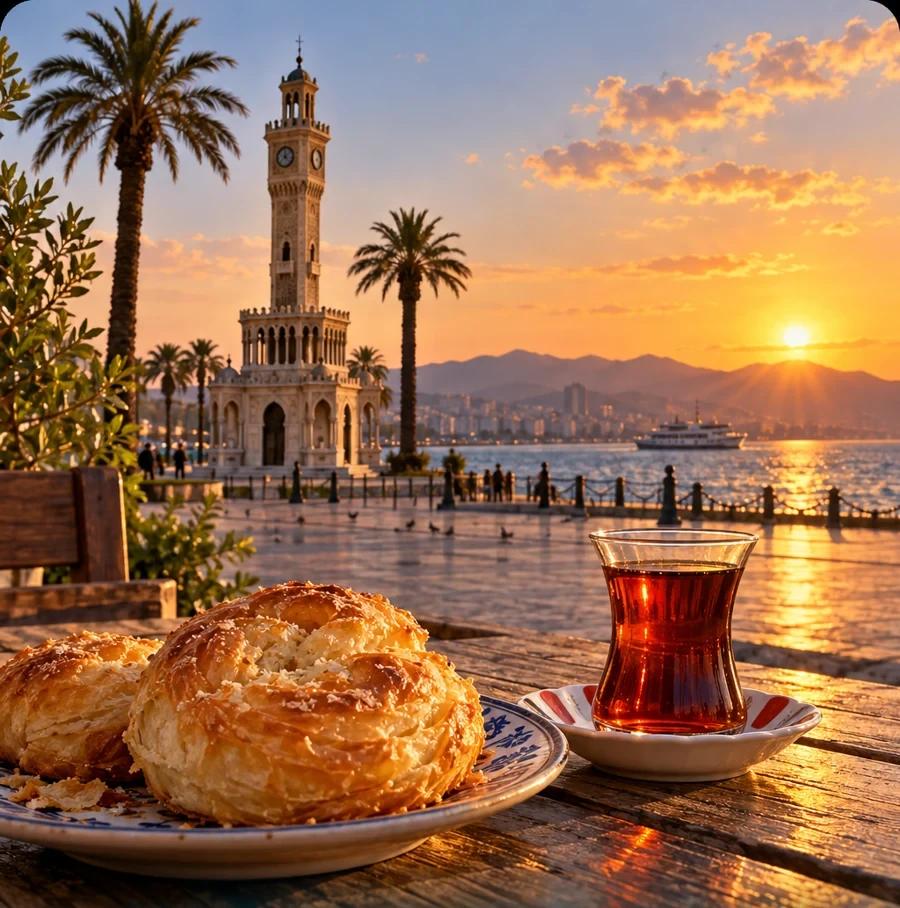
A bay city of bakeries, bazaars and olive-oil greens.
Begin with artichokes and greens, then explore the different rhythms of a bakery breakfast, a sandwich stop and a plate of meatballs.
Tahini-layered round pastry
A round, coiled pastry of flour, water and salt, layered with a fat-and-tahini mix and baked until lightly golden.
Sesame-coated bread ring
A ring of bread dipped in molasses and coated in sesame, eaten at breakfast alongside boyoz.
Toasted chickpea-bread sandwich
A toasted sandwich of soft bread made with chickpea sourdough, filled with cheese, sucuk and tomato.
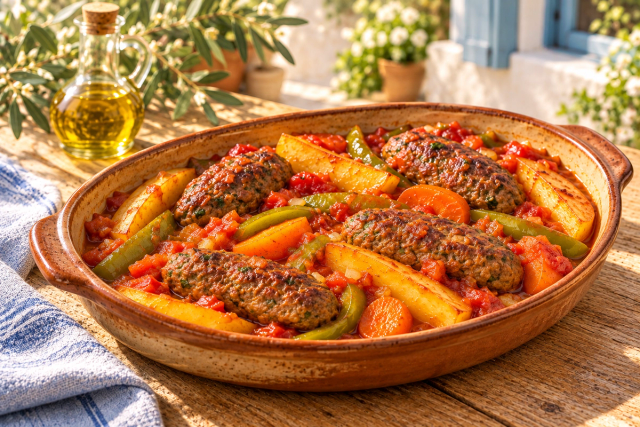
Finger-shaped beef meatballs baked with potatoes, carrot, green pepper and chopped tomatoes.
Fried dough rings in syrup
Yeasted dough shaped into rings with a hole in the middle, fried and soaked briefly in syrup.
Semolina cake in syrup
Semolina, sugar and milk or yogurt baked in a tray, often topped with almonds, then soaked in syrup.
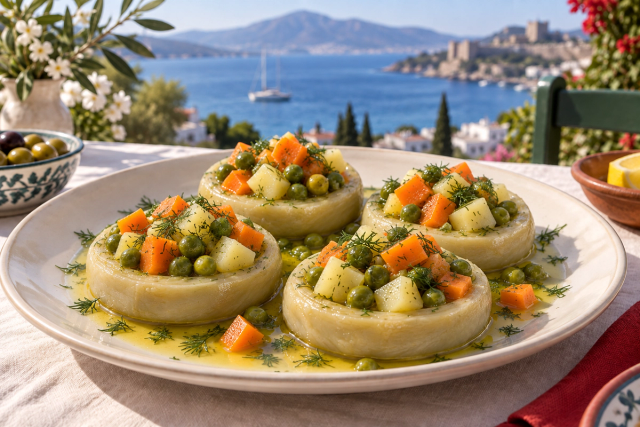
Tender artichoke bottoms filled with carrot, potato and peas in lemon and olive oil.
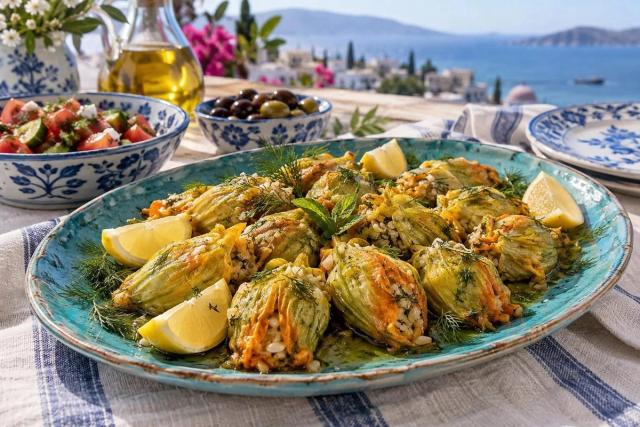
Delicate zucchini blossoms loosely filled with rice, tomato and fresh herbs.
Wood-smoked beef köfte
Long beef köfte seasoned with salt, smoked over a wood fire, then finished in butter, plain or with tomato and yogurt.
Grilled köfte with semolina
Long beef köfte made with semolina, grilled over charcoal and served on bread dipped in paprika butter.
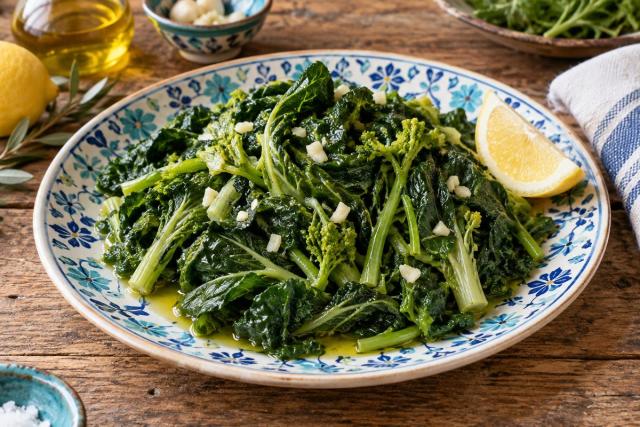
Tender cabbage shoots with lemon, garlic and olive oil.
An early artichoke from Urla, harvested from November to April.
Guide not written yetPotatoes grown on the Ödemiş plain and its uplands.
Guide not written yetPine nuts from the Kozak plateau near Bergama.
Guide not written yetİzmir’s tulum cheese, eaten at breakfast with fried pişi.
Guide not written yetA cheese made mostly from ewe’s milk and aged in a skin sack.
Guide not written yetA thistle whose root and stem are eaten, in olive-oil salads or cooked with lamb.
Guide not written yet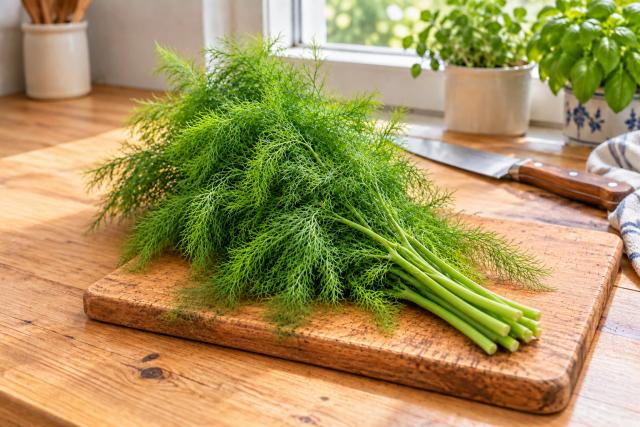
Young fennel leaves and shoots, cooked as a vegetable in the Aegean.
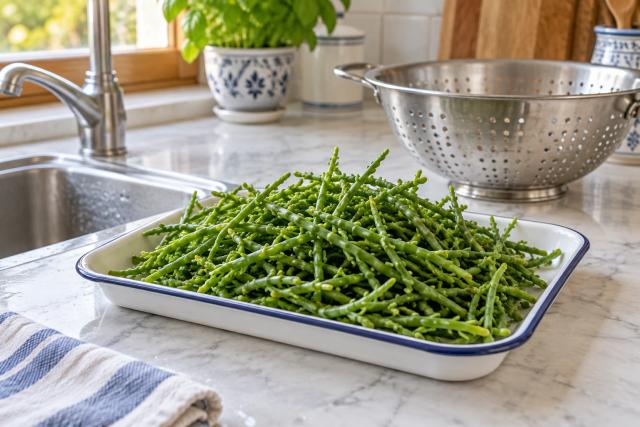
Naturally salty coastal shoots, served as a salad or meze.
Kemeraltı offers a useful thread through İzmir’s cultural history: commerce, craft and food occupy shared urban spaces. The port attracted communities with different languages and religious traditions, and their lives helped shape the city. The municipality’s tourism guide connects Kemeraltı with foods such as boyoz, herb dishes and lokma, while distinguishing the coastal food culture of Çeşme. Reading the city through these neighbourhood and district connections reveals more than a single signature dish.
Boyoz, gevrek and kumru come from bakeries and stalls across the city.
Artichokes, wild greens and courgette flowers are cooked simply in olive oil.
İzmir lies at the edge of a wide, sheltered gulf, with rivers and valleys linking it to a rich hinterland stretching north, east and south. Among the rivers that nourish the city are the Gediz, one of the major rivers of the Aegean, the Küçük Menderes and the Bakırçay. In the post-Alexander era, Smyrna was founded between Pagos Hill, today’s Kadifekale, and the inner port. Graffiti at the Smyrna Agora shed light on daily life in the Roman period and on the lively commercial world of the port.
The port’s weight in the city grew further in later centuries. In the early seventeenth century, European countries moved their consulates from Chios to İzmir, drawing Armenian, Greek and Jewish settlers as well as Dutch, British, French and Venetian settlers. New inns, bedestans and arastas were built to meet the needs of long-distance caravans. When galleons replaced the much smaller galleys, the inner ports in use since antiquity lost their function, and the commercial area spread onto land reclaimed by embanking the port. Kemeraltı, Basmane and Kadifekale are part of the historic port city today.


