


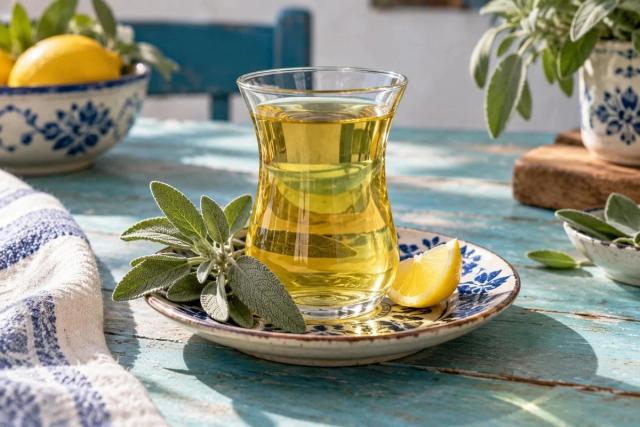
Sage Tea
A light sage-leaf infusion with optional lemon and honey.
The Turkish pantry
Aromatic dried leaves for an infusion or a recipe that specifies sage. Check the botanical identity and the intended food use.
Last updated:
Adaçayı can refer to several Salvia species, including Salvia officinalis and Salvia fruticosa. Sideritis mountain tea may also be sold under the common name, but is a different plant. This guide concerns dried food-grade sage leaves, not essential oil.
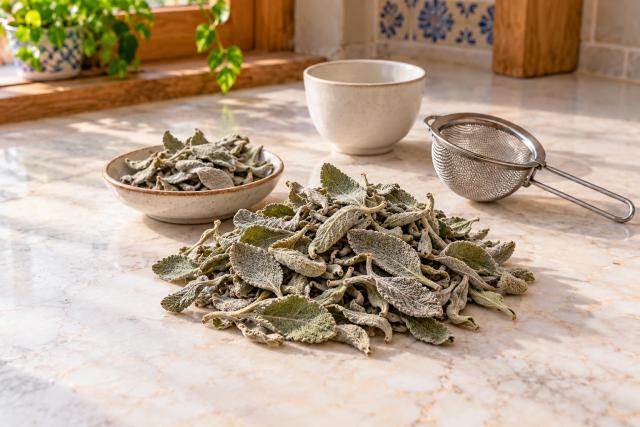
Suitable for infusing and straining.
Disperses into food; check the species and follow the recipe rather than substituting equal spoonfuls for whole leaves.
Linden or a known mountain tea makes a different drink, with a different aroma.
Not a substitute for leaves in this preparation.
No verified nutrition data is available for this ingredient.
Ministry research documents sage infusions in the Aegean and western Mediterranean regions. The same common name does not guarantee the same plant in every shop.
A light sage-leaf infusion with optional lemon and honey.
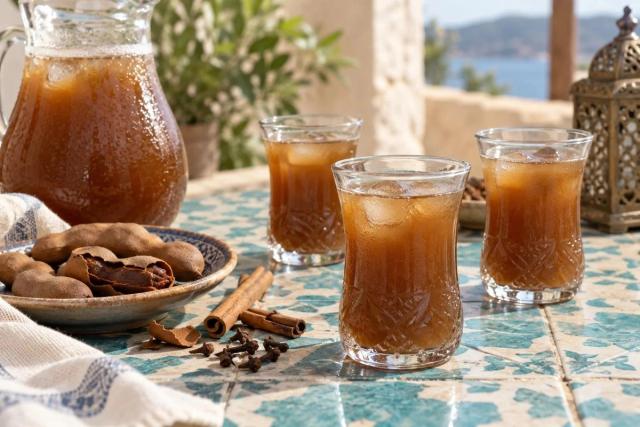
A tangy chilled tamarind drink scented with cinnamon, cloves and fresh ginger.