


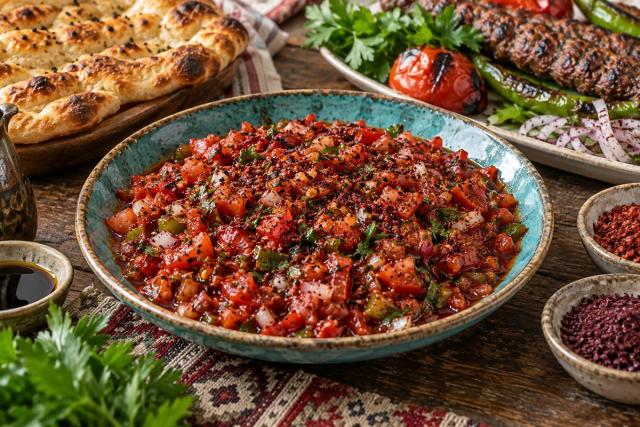
Spicy Tomato Meze
Finely chopped tomatoes, peppers, onion and parsley with a spicy, tangy dressing.
The Turkish pantry
A fresh sweet pepper for crisp chopped salads, roasting and cooked vegetable dishes.
Last updated:
Fresh red sweet pepper is the subject here, including sweet kapia-type peppers. Shape alone does not establish heat level: check that the pepper is sweet. Pepper paste, dried paprika and pickled peppers are separate ingredients.
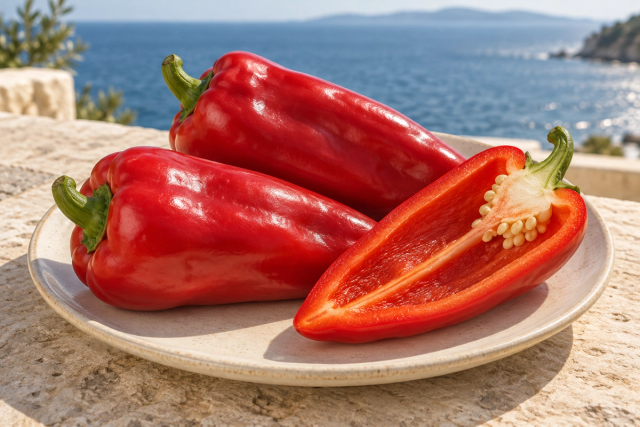
Firm raw flesh with a green stem and internal seeds; the guide and nutrition record concern this form.
Softer flesh, often peeled after roasting; jarred products may contain salt, acid or oil.
Concentrated or dried products with different moisture, seasoning and quantities.
Yellow or orange sweet pepper changes color and sweetness; green pepper usually tastes less sweet.
Use only when a softer cooked texture suits the dish; drain and account for added salt, oil or vinegar.
Peppers, sweet, red, raw [1]
| Nutrient | Amount |
|---|---|
| Energy | 26 kcal |
| Protein | 0.99 g |
| Total fat | 0.3 g |
| Saturated fat | 0.06 g |
| Carbohydrate | 6.03 g |
| Dietary fiber | 2.1 g |
| Total sugars | 4.2 g |
| Sodium | 4 mg |
| Cholesterol | 0 mg |
| Calcium | 7 mg |
| Iron | 0.43 mg |
| Potassium | 211 mg |
| Vitamin D | 0 µg |
Raw red sweet pepper, edible portion; not roasted pepper, pepper paste or a separately analyzed kapia cultivar. Values are rounded for readability; “not reported” does not mean zero. A “<” value is below the source’s measurement limit.
Nutrition values come from the reference source named above. They are published reference values, not our own measurements. Actual products and cooking methods may change the values.
The linked recipes use red sweet pepper in different preparations. A kapia-shaped illustration shows one possible form, not a cultivar certification or an exclusive regional origin.
Finely chopped tomatoes, peppers, onion and parsley with a spicy, tangy dressing.
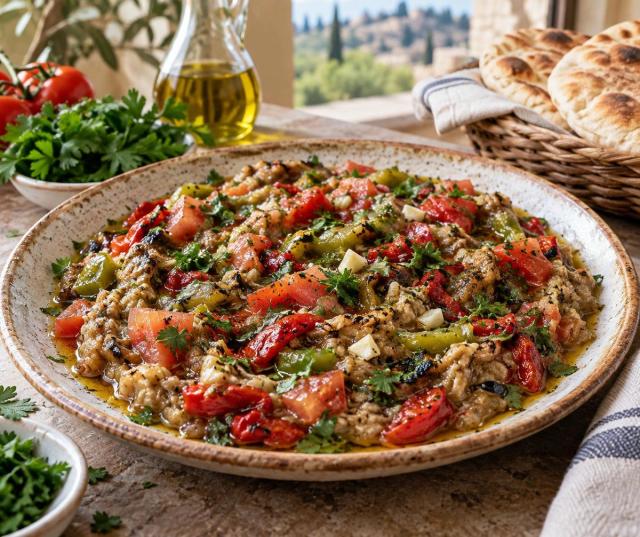
Coarsely chopped charred eggplant, peppers and tomato with garlic, olive oil and lemon.
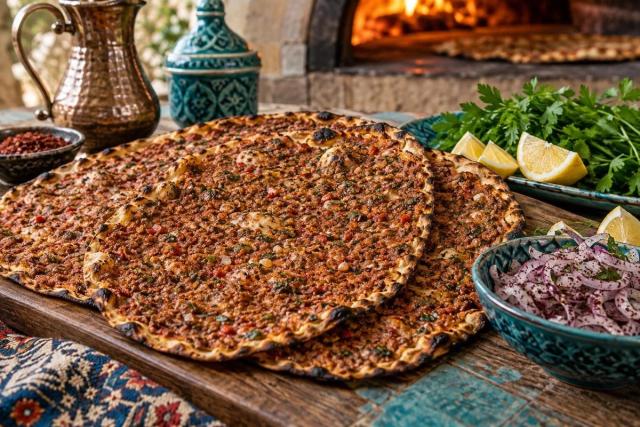
Very thin flatbreads spread with minced lamb, tomato, peppers, onion and herbs.
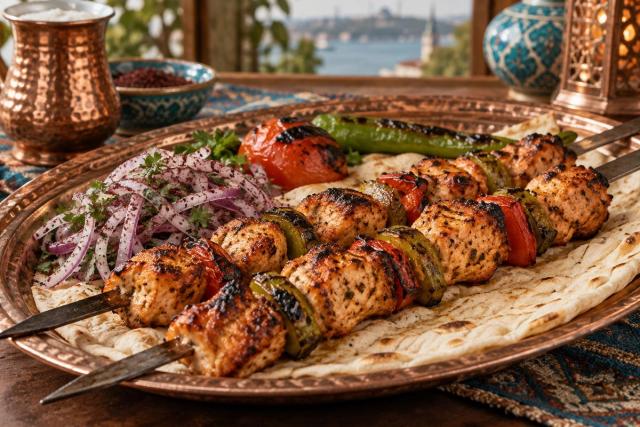
Yogurt-marinated chicken thighs grilled with peppers and served on warm lavash.
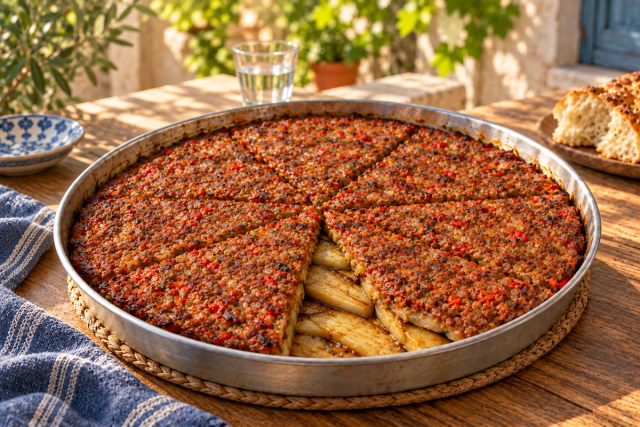
Finely chopped vegetables mixed with ground lamb and baked in a thin layer over sliced eggplant.
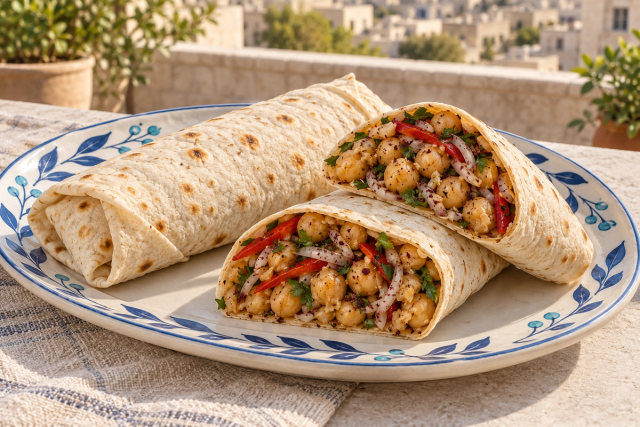
Warm lavash wraps soft chickpeas with sumac onions, parsley and sweet red pepper. Cumin and Turkish red pepper flakes season the filling, while olive oil softens the sharp onion mixture.
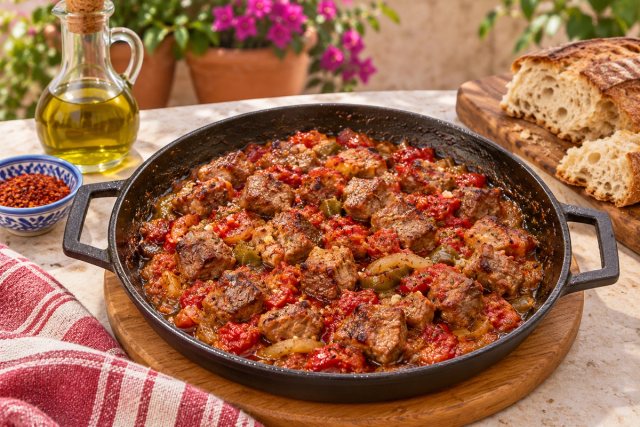
Chunks of lamb baked over onion, peppers and tomato with garlic, thyme and melted butter.
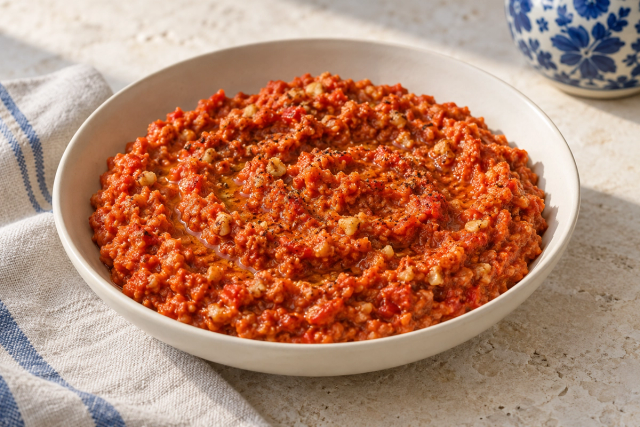
Roasted red peppers and walnuts with fresh bread crumbs, pomegranate molasses and cumin.
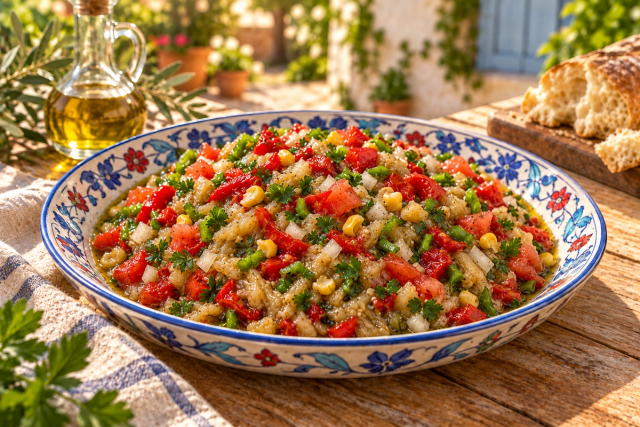
Roasted eggplant and red peppers mixed with fresh vegetables, vinegar and olive oil, with sweet corn on top.
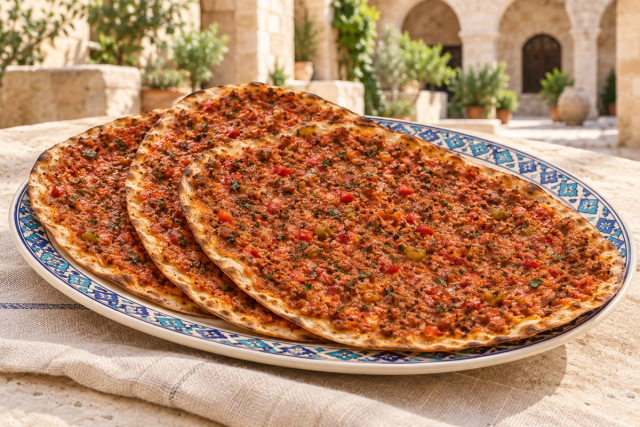
Thin oval flatbreads carry an onion-free topping of lamb, garlic, tomato, peppers and parsley. The finely chopped filling is spread to the edges and baked on a hot surface until the base is cooked and the edges crisp.
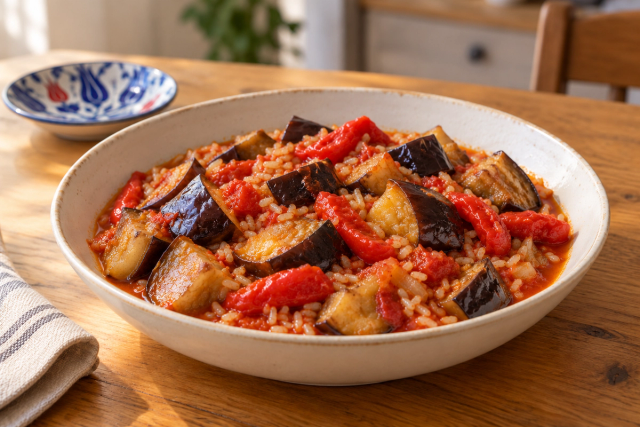
Eggplant, tomato, sweet red pepper and rice gently cooked with olive oil, onion and garlic.