


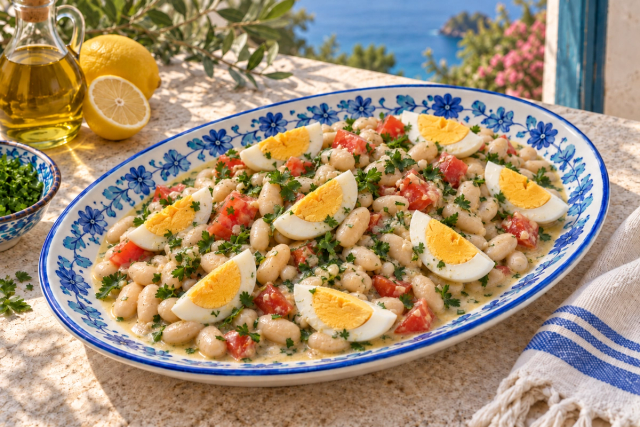
White Bean Salad with Tahini
Cooked white beans with a lemon-tahini dressing, tomato and parsley, topped with hard-boiled eggs. An Antalya-style home adaptation.
The Turkish pantry
Buy juicy lemons and use their juice and zest for different jobs in the kitchen.
Last updated:
Fresh yellow lemons are the whole-fruit form covered here. Juice, zest and preserved lemon are different forms; the nutrition reference is raw flesh without peel.
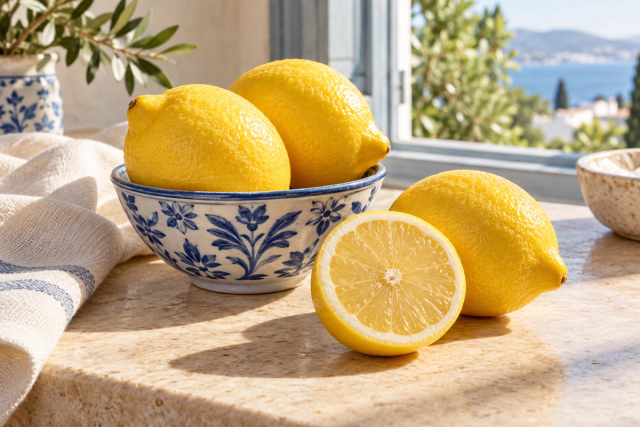
Provides both sour juice and aromatic colored peel.
Check whether it is pure juice or a sweetened drink; it cannot supply fresh zest.
A salted preserved product with a different taste and use, not ordinary fresh lemon.
Vinegar changes the aroma and may have a different strength. Add gradually; it does not replace zest.
Follow the tested recipe’s exact acid and form. Do not replace specified bottled juice with fresh juice by guesswork.
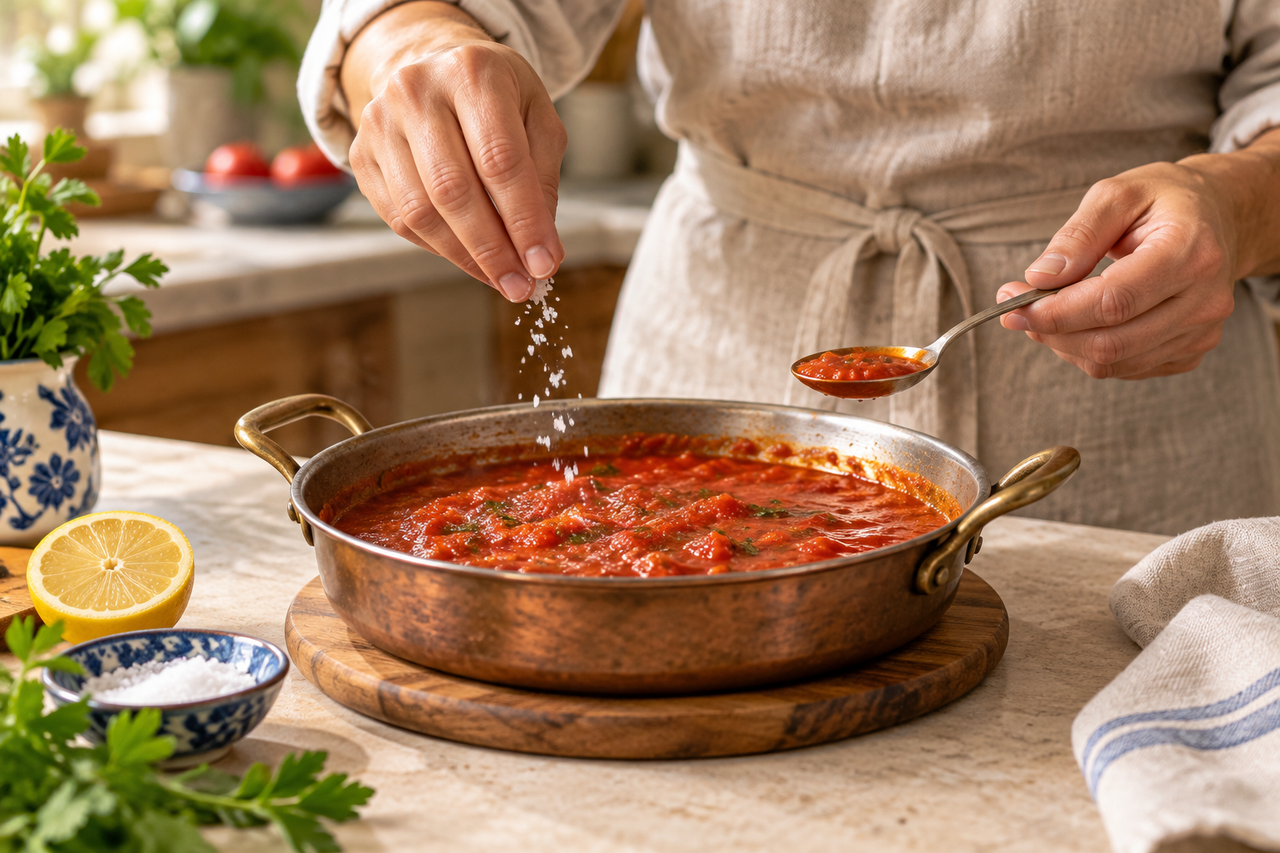
Seasoning & Flavor Balance
Taste the mixture before adding more, especially when salty or sour ingredients are already present.
Raw lemon flesh, without peel [1]
| Nutrient | Amount |
|---|---|
| Energy | 29 kcal |
| Protein | 1.1 g |
| Total fat | 0.3 g |
| Saturated fat | 0.04 g |
| Carbohydrate | 9.32 g |
| Dietary fiber | 2.8 g |
| Total sugars | 2.5 g |
| Sodium | 2 mg |
| Cholesterol | 0 mg |
| Calcium | 26 mg |
| Iron | 0.6 mg |
| Potassium | 138 mg |
| Vitamin D | 0 µg |
This is lemon flesh without peel, not juice alone or zest. Values are rounded for readability; “not reported” does not mean zero. A “<” value is below the source’s measurement limit.
Nutrition values come from the reference source named above. They are published reference values, not our own measurements. Actual products and cooking methods may change the values.
Lemon juice balances the tahini in our piyaz dressing and is offered in our red lentil soup. A wedge lets a diner adjust the sourness to taste.
Cooked white beans with a lemon-tahini dressing, tomato and parsley, topped with hard-boiled eggs. An Antalya-style home adaptation.
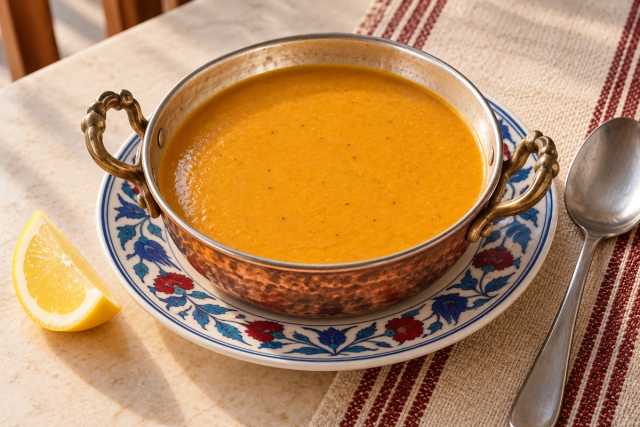
A smooth red lentil soup with onion, carrot and potato, finished with cumin and lemon. This version uses olive oil and water.
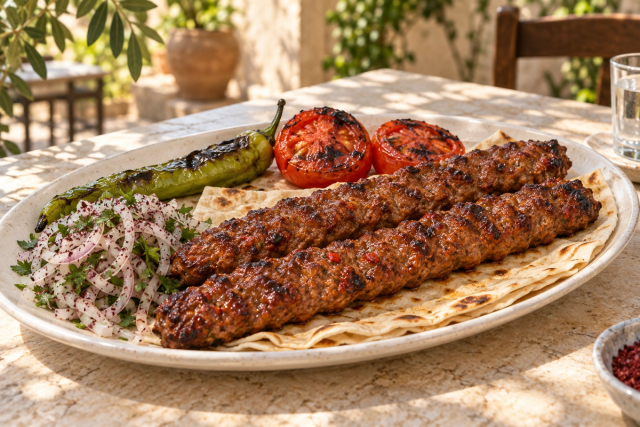
Hand-chopped lamb and tail fat grilled on flat skewers, with warm flatbread, charred vegetables and sumac onions.
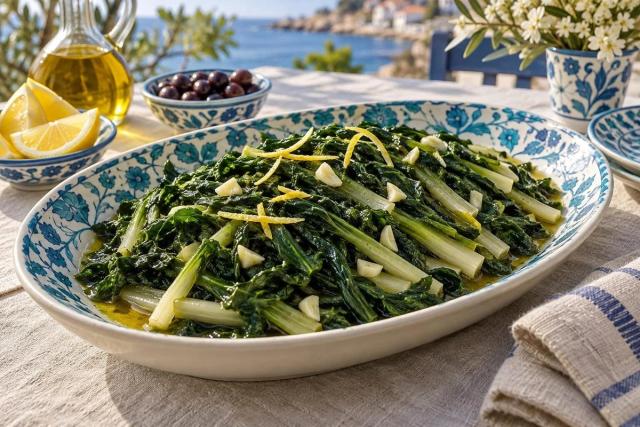
Pleasantly bitter dandelion greens with lemon and olive oil.
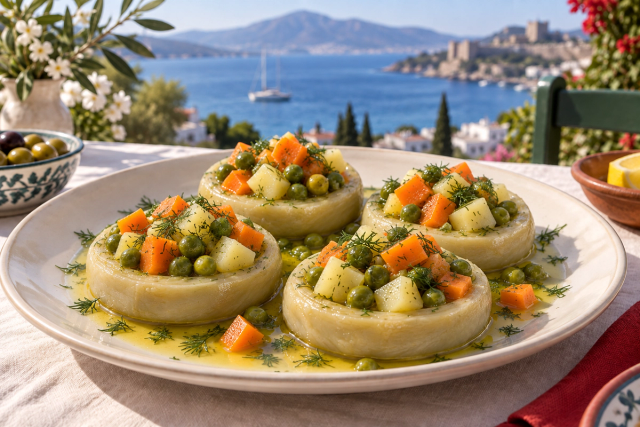
Tender artichoke bottoms filled with carrot, potato and peas in lemon and olive oil.
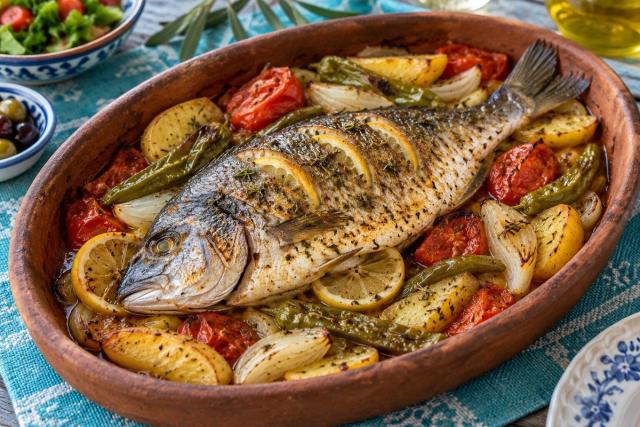
Whole sea bream roasted with thin potatoes, tomato, green pepper and lemon.
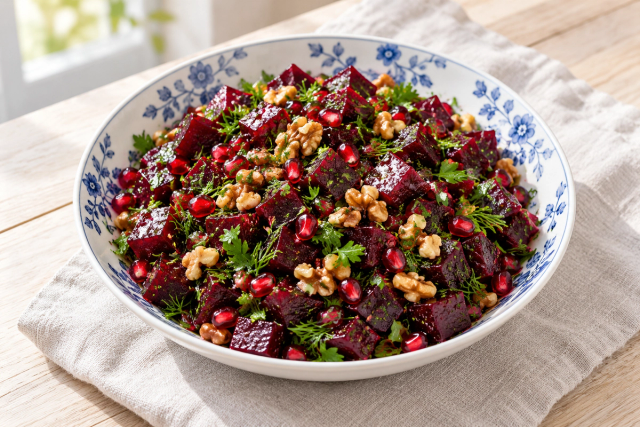
Tender beets with dill, parsley, walnuts and pomegranate in a lemon and olive oil dressing.
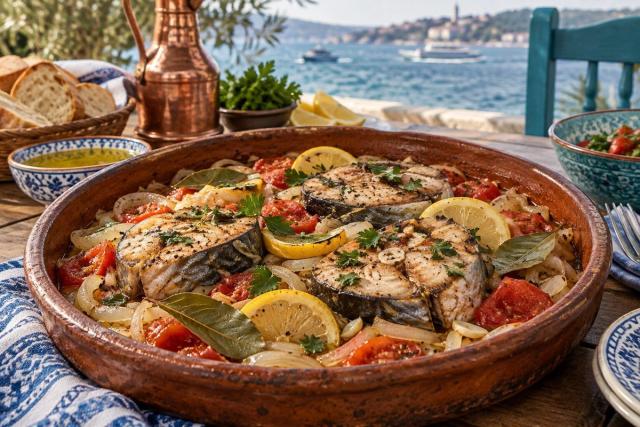
Atlantic bonito steaks baked over soft onions and tomatoes with bay and lemon.
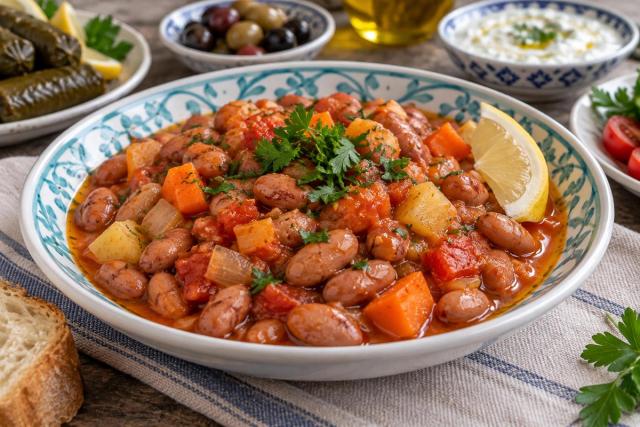
Borlotti beans with tomato, carrot, potato and garlic in a mellow olive-oil sauce.
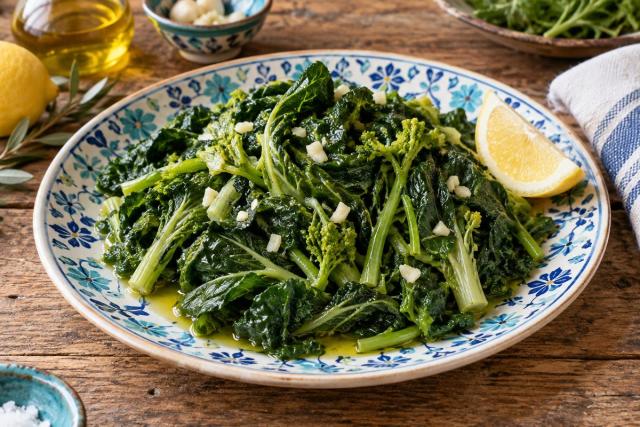
Tender cabbage shoots with lemon, garlic and olive oil.

Hot mackerel in crusty bread with crisp lettuce, sliced onion, lemon and optional sumac.
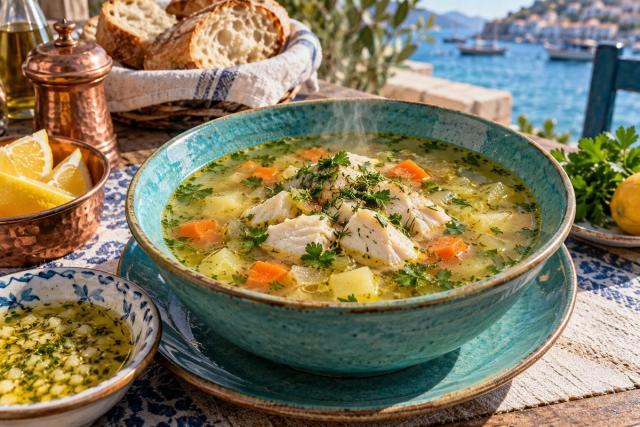
A clear fish broth with tender sea bass, potato, carrot and fresh herbs.