


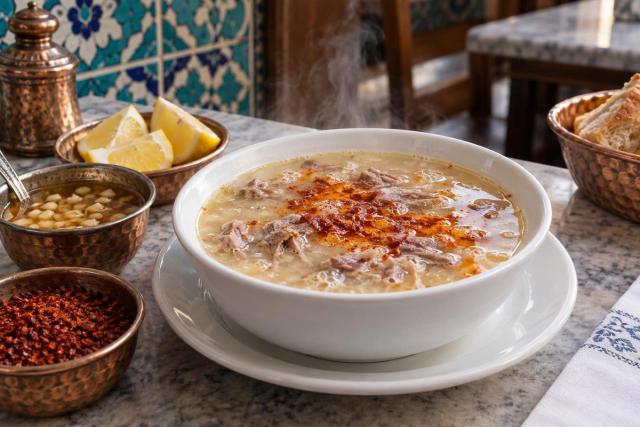
Head and Trotter Soup
Slow-simmered lamb head meat and trotters in a rich broth, with garlic vinegar and pepper butter.
The Turkish pantry
A sharp grape-derived vinegar for rich sauces, beans and salads. Choose plain vinegar rather than sweetened grape dressing.
Last updated:
Fermented from grape-derived liquid, this acidic seasoning is not grape juice, pekmez or balsamic glaze. Strength and flavor vary; check the label.
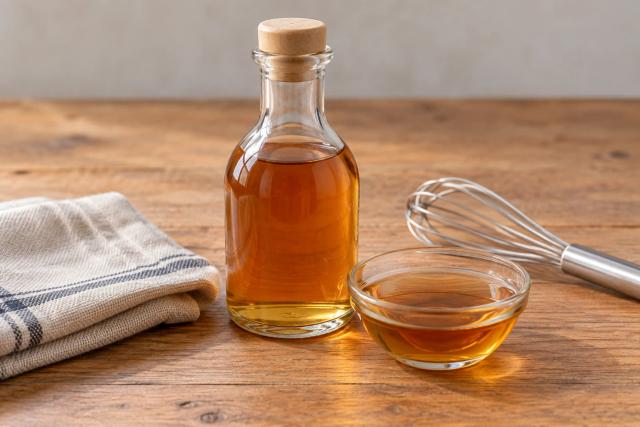
The intended recipe ingredient.
Clarity does not establish acidity.
Different balance and ingredient.
Can give acidity to fresh dressing, with a different flavor; adjust gradually.
A salad swap does not transfer to canning. Lemon juice, homemade vinegar and balsamic glaze are not automatic equivalents.
No verified nutrition data is available for this ingredient.
Registered Antalya piyaz tarator contains grape vinegar with tahini, garlic and lemon, illustrating acidity’s role in a rich sauce.
Slow-simmered lamb head meat and trotters in a rich broth, with garlic vinegar and pepper butter.
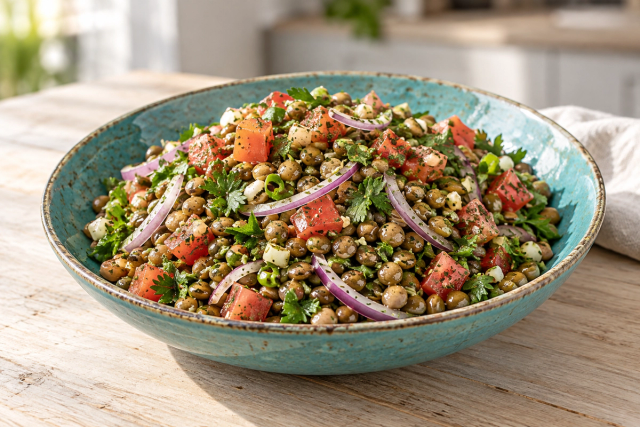
Whole green lentils with tomato, onions and parsley in a cumin, mint and lemon dressing.
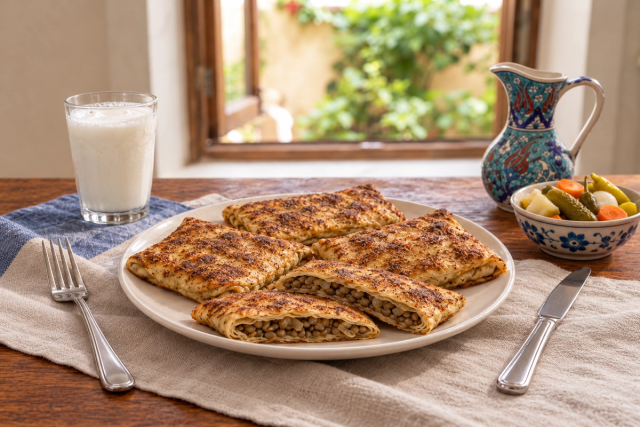
Thin, folded Afyon pastries filled with green lentils and onion, with olive oil and yellow poppy paste between the layers.
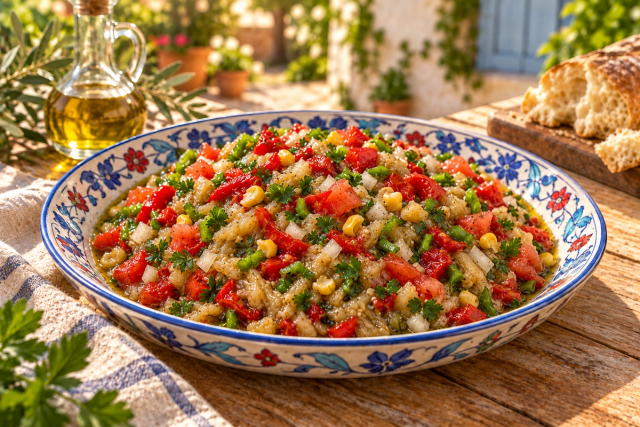
Roasted eggplant and red peppers mixed with fresh vegetables, vinegar and olive oil, with sweet corn on top.