


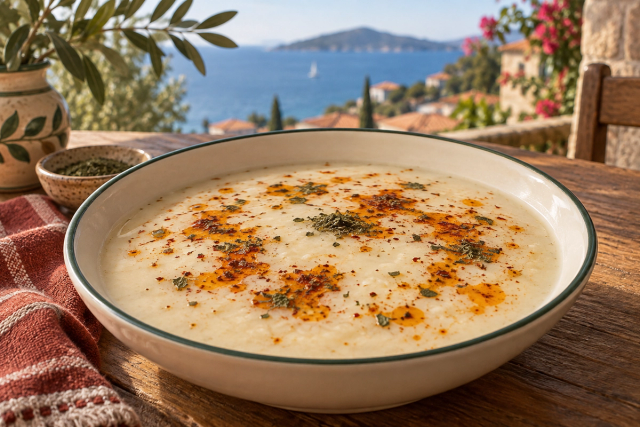
Yogurt and Rice Soup
A gently tangy yogurt and rice soup finished with melted butter, dried mint and pul biber.
The Turkish pantry
Crumbled dried mint brings a concentrated herbal aroma to soups, yogurt dishes and fillings. Choose culinary leaves and keep them dry.
Last updated:
This is a form overview of dried culinary mint leaves. The recipe identity does not specify a mint species. Spearmint and peppermint have different aromas; neither species is silently assigned to these recipes. Fresh mint and mint flavoring are separate forms.
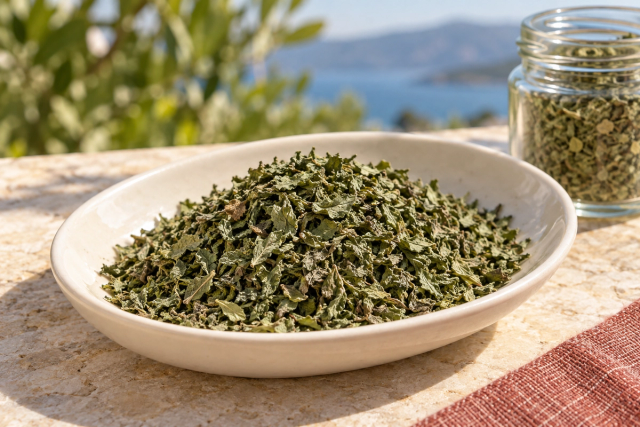
Small dry leaf fragments for stirring into a dish or briefly warming as the recipe directs.
Spearmint and peppermint are different plants. Choose a labeled culinary product if your recipe specifies one.
Fresh mint has more water and a different texture. Extracts are concentrated flavorings, not a spoon-for-spoon replacement for dried leaves.
One culinary mint species, distinct from peppermint (Mentha piperita). Check a named product when a recipe specifies spearmint; the broad dried-mint ingredient does not choose a species.
Expect aroma differences between species and products. Start from the recipe’s specified ingredient rather than assuming all mint tastes identical.
Use a recipe-supported substitution; equal spoonfuls do not contain the same amount of dry leaf material.
Named species example: dried spearmint (Mentha spicata) [1]
| Nutrient | Amount |
|---|---|
| Energy | 285 kcal |
| Protein | 19.9 g |
| Total fat | 6.03 g |
| Saturated fat | 1.58 g |
| Carbohydrate | 52 g |
| Dietary fiber | 29.8 g |
| Total sugars | Not reported |
| Sodium | 344 mg |
| Cholesterol | 0 mg |
| Calcium | 1,490 mg |
| Iron | 87.5 mg |
| Potassium | 1,920 mg |
| Vitamin D | 0 µg |
This USDA record is specifically dried spearmint, not a universal composition for every mint species. It does not identify the mint used in a recipe. The 100 g basis is for comparison, not a suggested seasoning portion. Values are rounded for readability; “not reported” does not mean zero. A “<” value is below the source’s measurement limit.
Nutrition values come from the reference source named above. They are published reference values, not our own measurements. Actual products and cooking methods may change the values.
Kuru nane is used in the linked soups and other dishes. These recipe connections describe use, not a claim that one mint species defines Turkish cooking.
A gently tangy yogurt and rice soup finished with melted butter, dried mint and pul biber.

A fragrant hot infusion of dried mint and lemon, lightly sweetened if desired.
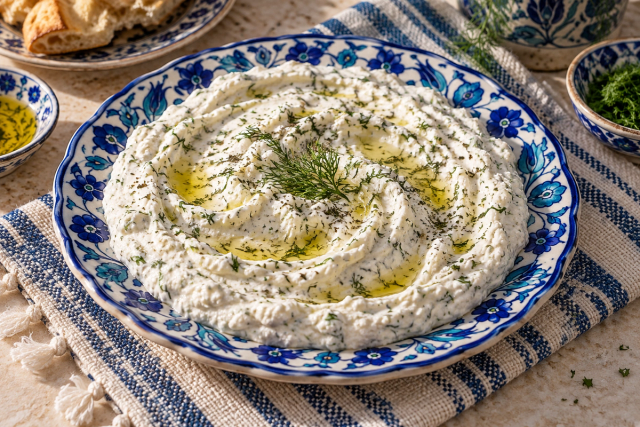
A spoonable strained-yogurt meze with white cheese, mint, dill and garlic.
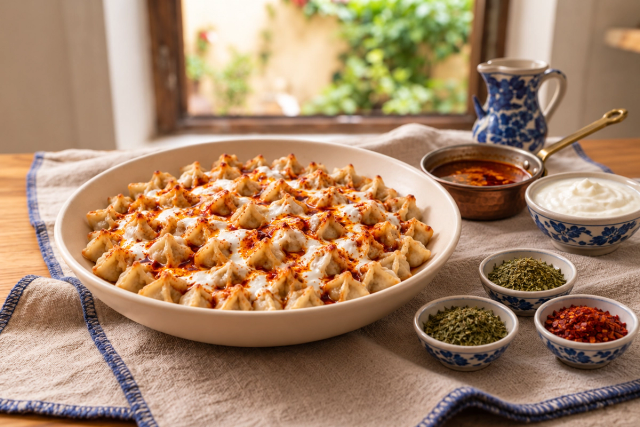
Small, closed lentil dumplings baked first until golden, then finished in hot water. Serve with garlic yogurt and red-pepper butter, with extra yogurt and herbs on the side.
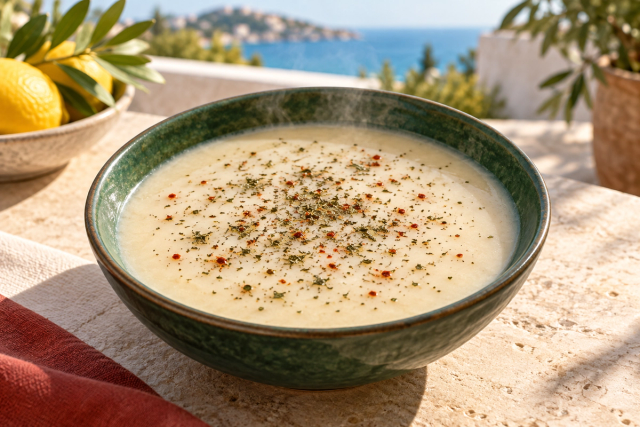
Slow-simmered beef-bone broth made silky with yogurt, egg yolk and lemon, with garlic and a light dried-mint finish. This terbiyeli version turns homemade beef-bone broth into a smooth, lightly tangy soup. A terbiye is the whisked yogurt, egg-yolk and lemon mixture added gradually to the hot broth; a little flour helps it hold together.
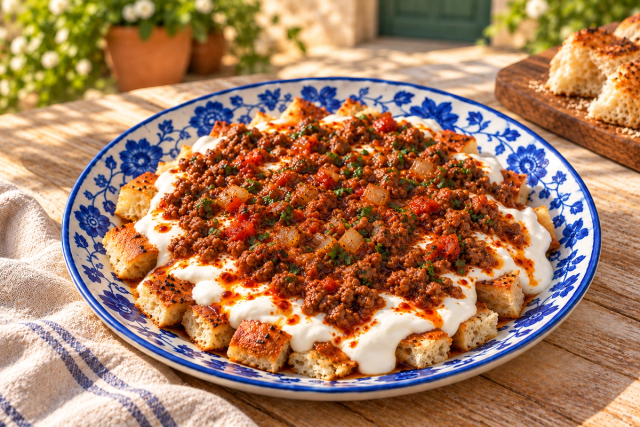
Warm pide topped with garlic-mint yogurt, ground beef in tomato sauce and red-pepper butter.
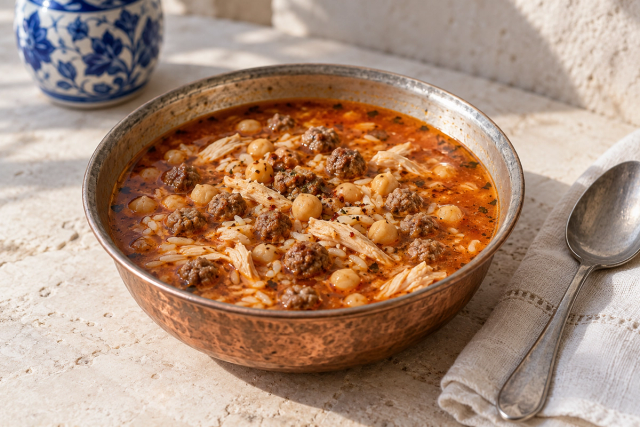
A tomato-based soup with chicken, chickpeas, rice and tiny meatballs, flavored with dried mint.
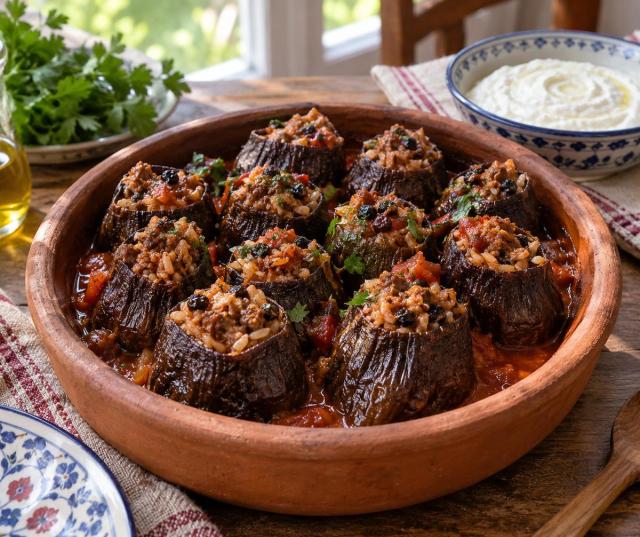
Dried eggplant shells filled with beef, rice and currants, gently cooked in a tomato-and-pepper sauce. Currant-filled dried eggplant is associated with Denizli. This home version uses onion, herbs and mixed tomato and pepper pastes; local variations exist.
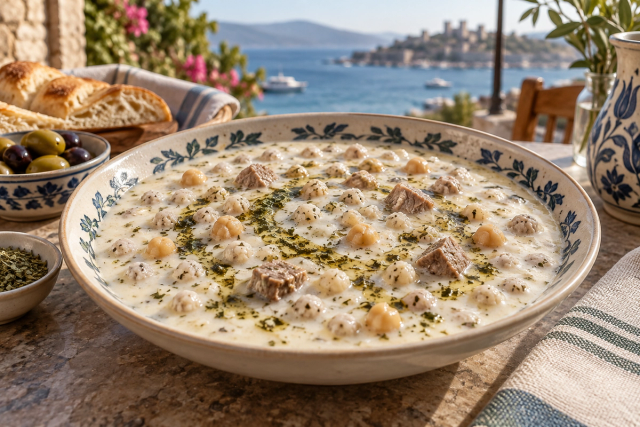
Tiny rice-and-lamb balls, chickpeas and tender lamb in a yogurt broth finished with mint butter. Gaziantep yuvalama is a substantial celebratory dish, often described locally as a meal rather than an everyday soup. This home adaptation uses rice flour for the small balls; traditional preparations may grind soaked rice with meat.
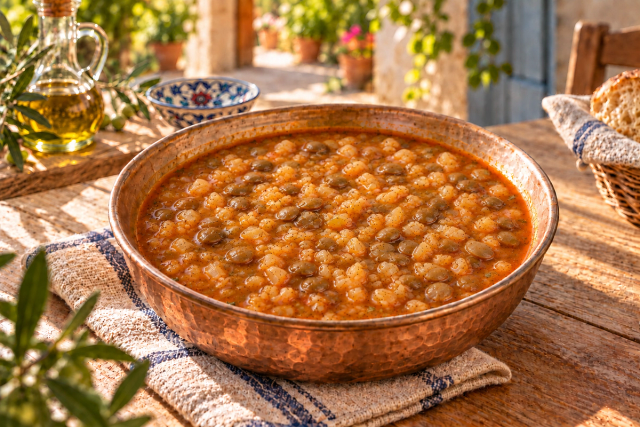
A Uşak soup of dry green lentils and coarse bulgur with onion, red pepper paste and dried mint.
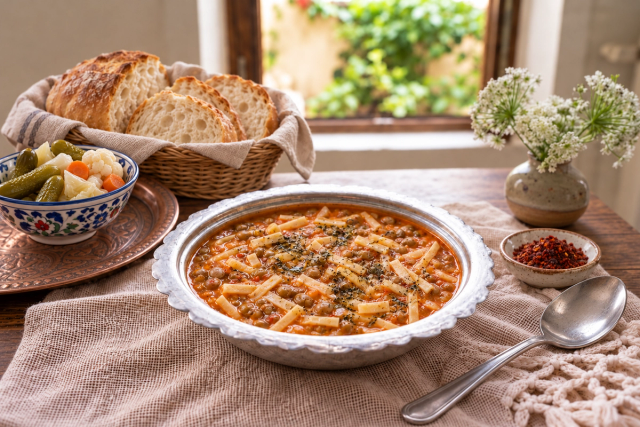
An Afyon soup of whole green lentils and thin dried erişte noodles, with onion, tomato paste and flour. A little mint butter can be spooned over each bowl.
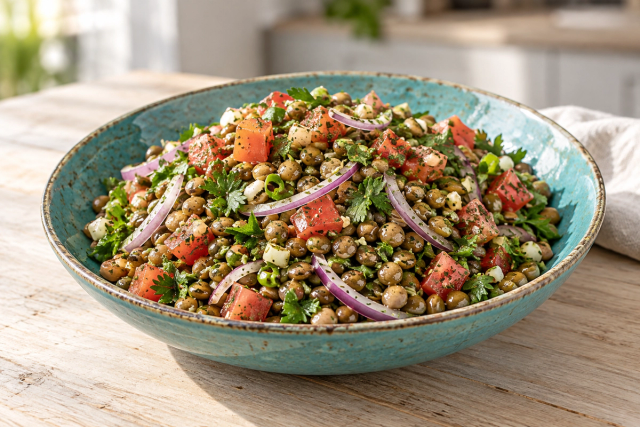
Whole green lentils with tomato, onions and parsley in a cumin, mint and lemon dressing.