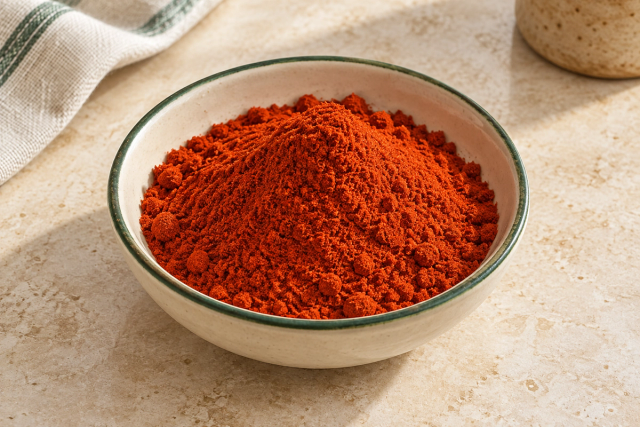
A finely ground red pepper seasoning with mild sweetness. Choose the sweet powder your recipe calls for, keeping it distinct from flakes and paste.
Last updated:
This guide is for sweet paprika: dried sweet red peppers ground to a powder. Pul biber flakes, pepper paste and hot or smoked paprika are different forms or flavor choices.
Types & forms
Sweet paprika powder
Finely ground dried sweet red pepper, with mild pepper flavor and red color. Check the label rather than judging heat from color.
Hot or smoked paprika · comparison
These add heat or a smoked flavor. They are not the plain sweet paprika specified here; choose them only when the recipe calls for that change.
Pepper flakes and paste · comparison
Flakes retain pieces of pepper; paste is a moist concentrated product. Neither gives the same texture or spoonful as paprika powder.
What to look for when buying
Look for sweet paprika or tatlı toz kırmızı biber, then read the ingredients and any heat or smoked designation. Some packaged products include an anti-caking agent.
Choose a sealed, dry container without signs of moisture or insects. Buy a quantity you can use and keep its label so the form remains identifiable.
Prepare & cook
Measure with a clean, dry spoon. Follow the recipe’s order for adding it to a sauce, filling or cooking fat.
Keep the jar away from the steaming pan while measuring, and close it after use. A red color alone does not tell you how hot another pepper product will be.
Store it well
Keep tightly covered in a cool, dry cupboard away from direct light. Do not introduce a wet spoon or cooking steam.
Check for pantry insects or webbing. Discard infested food and clean the storage area; paprika and other red pepper products can attract pantry pests.
Substitutions depend on the dish
Another plain sweet paprika
Check its ingredient list and intended heat level; color and flavor can vary between products.
Hot, smoked or flaked pepper
These deliberately change the dish. Do not treat them as an identical replacement for the sweet powder or assume equal heat.
USDA’s generic paprika reference, not a separate analysis of a sweet cultivar, a smoked product or your brand. Check the product label for its actual values. Values are rounded for readability; “not reported” does not mean zero. A “<” value is below the source’s measurement limit.
Nutrition values come from the reference source named above. They are published reference values, not our own measurements. Actual products and cooking methods may change the values.
At the Turkish table
The recipes connected to this guide use the exact sweet-paprika ingredient identity. This is a pantry seasoning guide, not a claim that every Turkish red pepper powder has the same flavor or origin.
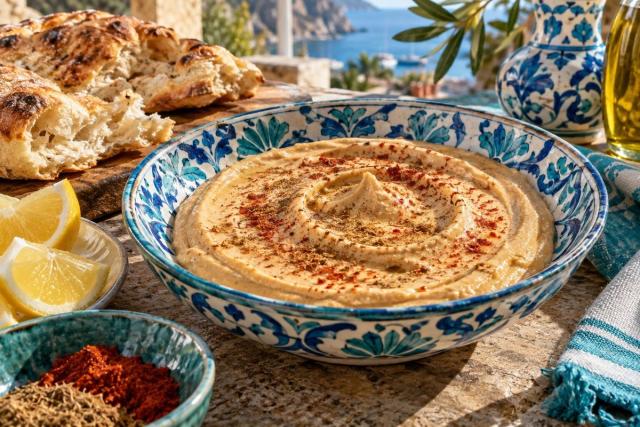
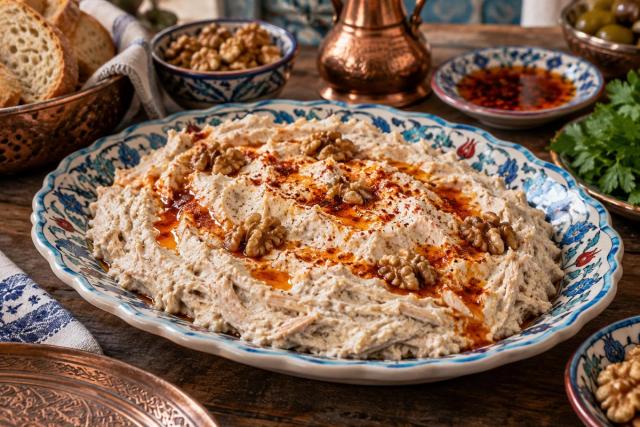
A smooth Antalya tahini meze with lemon, garlic, cumin and red pepper, whisked until thick and spreadable. Hibeş is associated with Antalya’s tahini-rich cooking. Its base is sesame paste, lemon, garlic and spices; this version contains no chickpeas.
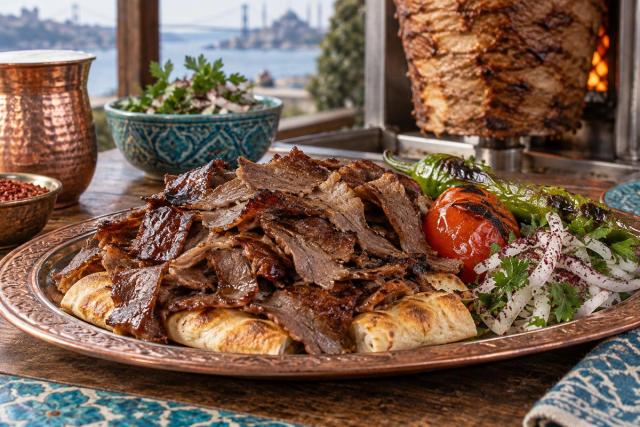
Thin layers of seasoned beef and mince, chilled into a roll, sliced and quickly browned in a skillet. This is a skillet adaptation of layered döner. A restaurant spit uses a different cooking process. Slice only when the roll is firm but safely cuttable; never force a knife through a solid frozen block.