


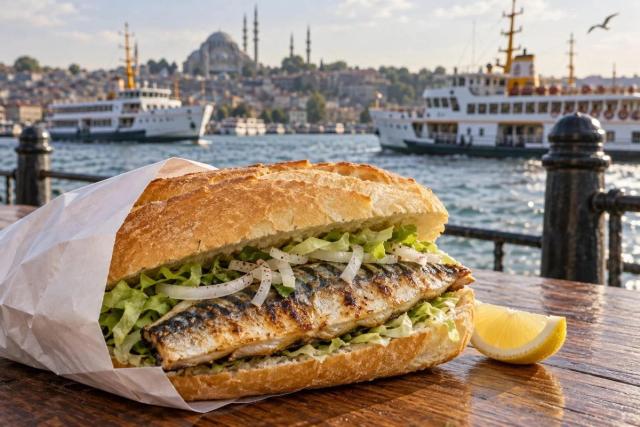
Fish Sandwich
Hot mackerel in crusty bread with crisp lettuce, sliced onion, lemon and optional sumac.
The Turkish pantry
Clean, dry lettuce leaves give fish sandwiches a crisp layer and make a fresh bed for lentil patties. Choose leaves that suit the job rather than assuming a particular lettuce variety.
Last updated:
Fresh lettuce leaves with no cultivar specified. Leaf lettuce, romaine and crisphead lettuces differ in shape and texture; the ingredient record does not choose one for every recipe.
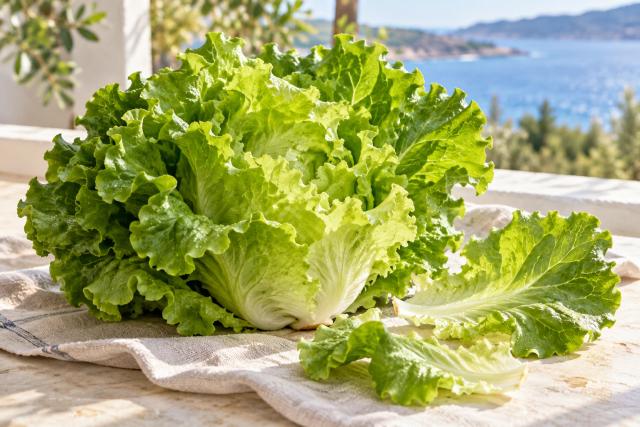
Loose tender leaves with frilled edges. This is one lettuce variety, not a requirement for every recipe.
Different structure and crunch; choose for the intended use.
Useful for lining a platter or a sandwich; select leaves large enough to hold the food without hiding it.
Read whether it is washed and ready to eat. Cut leaves need cold storage and prompt use.
Can provide a firmer cup or crunch; it changes texture but may suit the serving job.
Can work if its leaf size and firmness suit the dish; trim thick ribs when needed.
A different flavor and texture, not simply another lettuce; use only as a deliberate serving change.
Government reference example: Raw green-leaf lettuce [1]
| Nutrient | Amount |
|---|---|
| Energy | 15 kcal |
| Protein | 1.36 g |
| Total fat | 0.15 g |
| Saturated fat | 0.02 g |
| Carbohydrate | 2.87 g |
| Dietary fiber | 1.3 g |
| Total sugars | 0.78 g |
| Sodium | 28 mg |
| Cholesterol | 0 mg |
| Calcium | 36 mg |
| Iron | 0.86 mg |
| Potassium | 194 mg |
| Vitamin D | 0 µg |
Per 100 g of the stated reference food. The ingredient does not name a lettuce cultivar. This example is raw green-leaf lettuce (Lactuca sativa var. crispa), not a universal value for romaine, iceberg or a dressed salad. Values are rounded for readability; “not reported” does not mean zero. A “<” value is below the source’s measurement limit.
Nutrition values come from the reference source named above. They are published reference values, not our own measurements. Actual products and cooking methods may change the values.
Balık Ekmek uses lettuce as a crisp layer, while Mercimek Köftesi can be served on leaves. These serving roles do not establish a single lettuce cultivar for both dishes.
Hot mackerel in crusty bread with crisp lettuce, sliced onion, lemon and optional sumac.
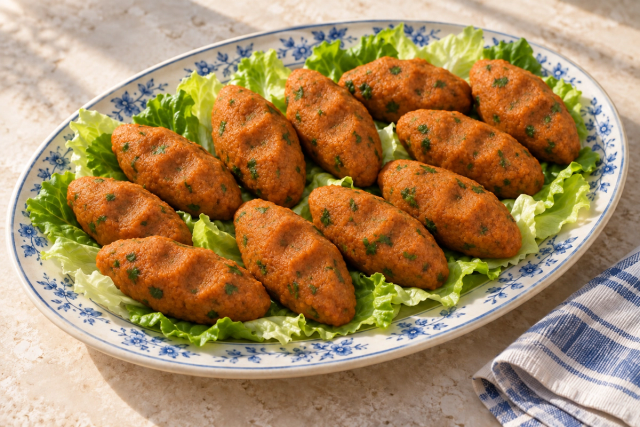
Mercimek köftesi combines soft red lentils, fine bulgur and herbs in hand-shaped patties served on lettuce.
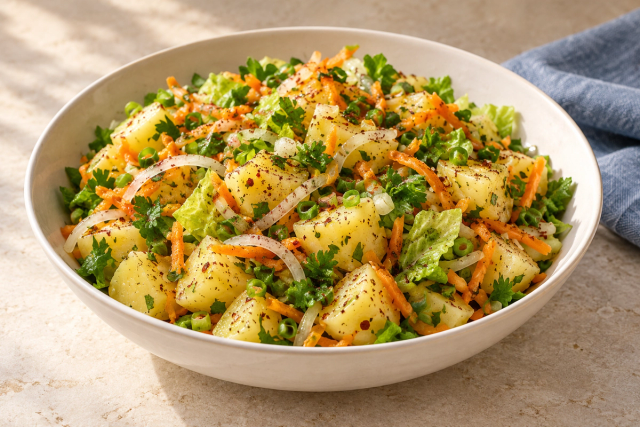
Potatoes, crisp greens and onion with a lemon dressing seasoned with sumac and red pepper flakes.