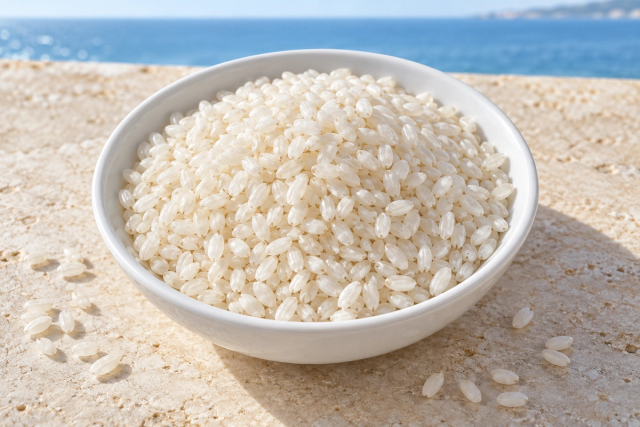
Small, plump white rice grains for tender puddings, soups and fillings. Match the grain and cooking method to the dish.
Last updated:
This guide concerns uncooked, milled white short-grain rice. It is distinct from brown rice, long-grain rice, parboiled rice, instant rice and glutinous sweet rice. The nutrition reference is specifically unenriched; an enriched product needs its own label values.
Types & forms
Raw white short-grain rice
Short, plump grains that typically become moist and cling together when cooked; use the uncooked quantity specified in a recipe.
Enriched white rice · comparison
Added nutrients change the nutrition profile. Check the ingredient list and follow that product’s preparation instructions.
Brown, parboiled and instant rice · comparison
These have different processing and cooking requirements. Brown rice retains bran; parboiled and instant rice are not interchangeable with raw white rice by timing alone.
Glutinous sweet rice · comparison
A particularly sticky rice sold for different uses; do not assume every short-grain rice is this product.
What to look for when buying
Look for white short-grain rice on the label and a sealed, dry package without moisture or insect damage. The name rice alone does not establish grain length or processing.
Check whether the rice is enriched or seasoned. For the plain ingredient in the linked recipes, avoid ready-cooked pouches and mixes containing added flavorings.
Choose the type specified by your recipe. A Turkish variety or brand name alone is not proof that its grain belongs to this short-grain category.
Prepare & cook
Follow the recipe and packet for rinsing, soaking and water. Rice varieties and processing differ, so a single water ratio is not reliable for every product or dish.
For plain simmered rice, use the covered cooking method and check a grain for a tender center. If it is still firm, continue cooking with the liquid needed by that method; allow the covered rest specified by the recipe.
Pudding, soup and stuffed vegetables use rice differently. Measure the raw amount where requested, and follow the recipe’s order for adding liquid and cooking the filling; do not substitute an equal weight of cooked rice.
Store it well
Store uncooked rice covered in a dry pantry. Close opened packaging or transfer it to a clean container with a lid to protect against pests; keep the product label and date.
Cool cooked rice promptly in small portions, ideally within one hour, then refrigerate. Do not leave it in the cooking pan or rice cooker to cool. Following Food Standards Agency guidance, eat refrigerated rice within 24 hours.
Reheat rice only once, until steaming hot throughout. Rice may also be eaten cold after prompt cooling and refrigeration. Safe storage matters because bacterial spores can survive cooking.
Substitutions depend on the dish
Medium-grain white rice
It can give a related moist texture, but check that the recipe supports the change and adjust its liquid and cooking time. It remains a different ingredient identity.
Long-grain white rice
Usually gives more separate grains. It changes the texture of a pudding or filling and is not an equivalent replacement simply because both are white rice.
Brown or instant rice
Use a recipe designed for that form; its cooking needs differ from the raw white short-grain ingredient here.
Raw unenriched white short-grain rice, before cooking. This reference does not describe enriched rice: check the product label for added nutrients. Cooking adds water, so these are not values for 100 g of cooked rice or pudding. Values are rounded for readability; “not reported” does not mean zero. A “<” value is below the source’s measurement limit.
Nutrition values come from the reference source named above. They are published reference values, not our own measurements. Actual products and cooking methods may change the values.
At the Turkish table
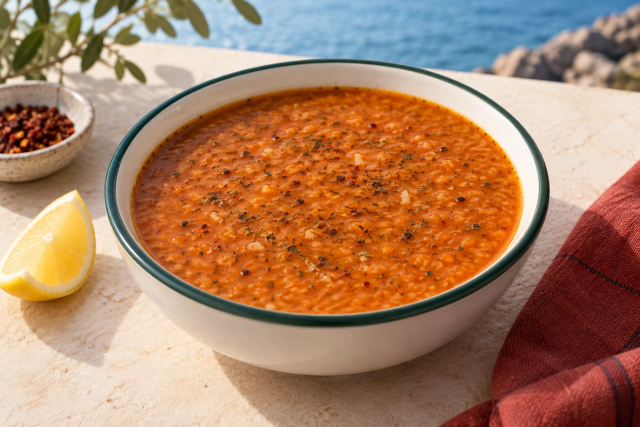
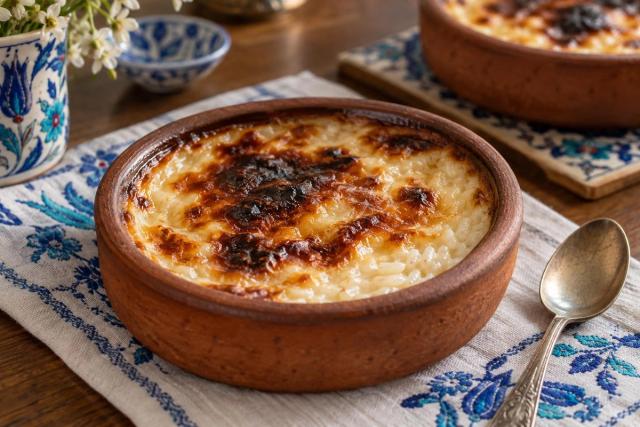
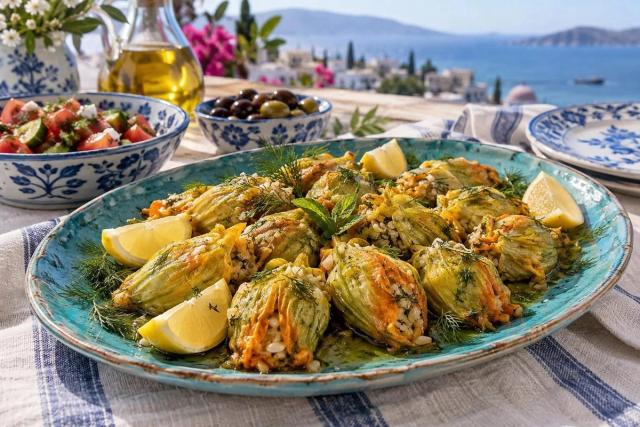
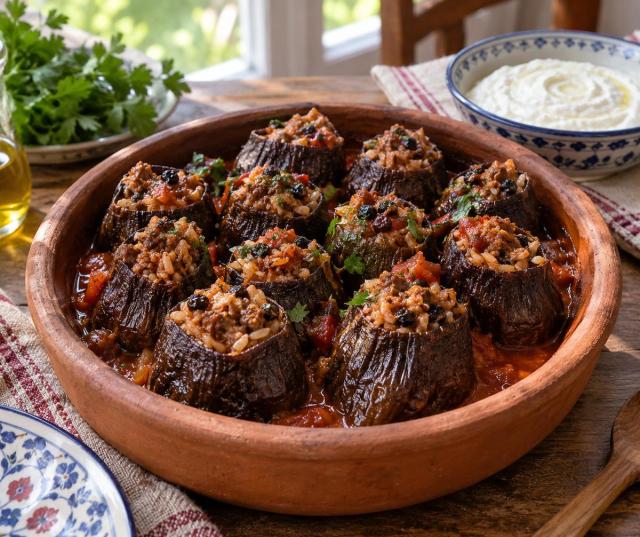
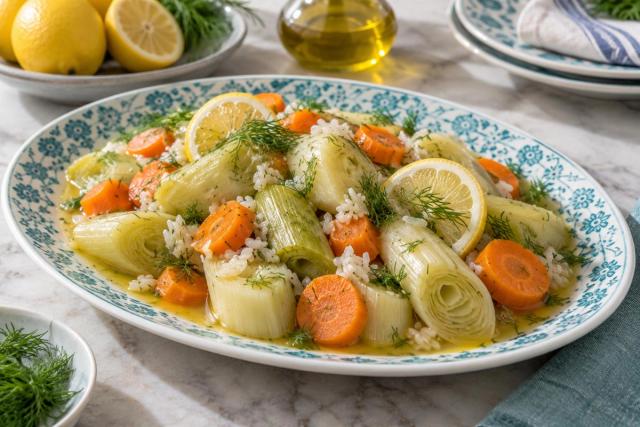
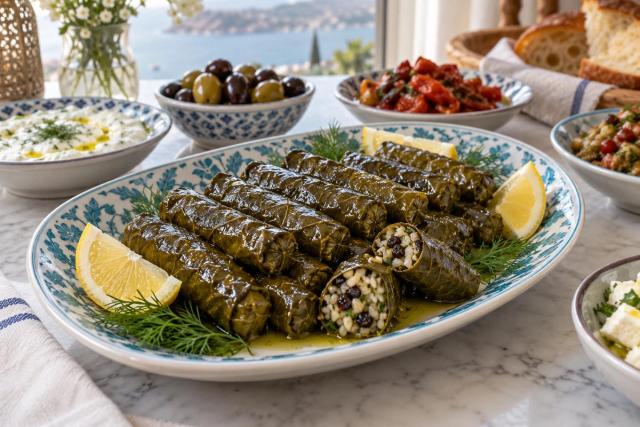
Our published recipes use this exact rice identity in baked rice pudding, soup, vegetable fillings and savory dishes. These are examples from this collection, not a claim that all Turkish rice dishes use short-grain rice or that one cultivar is universal.
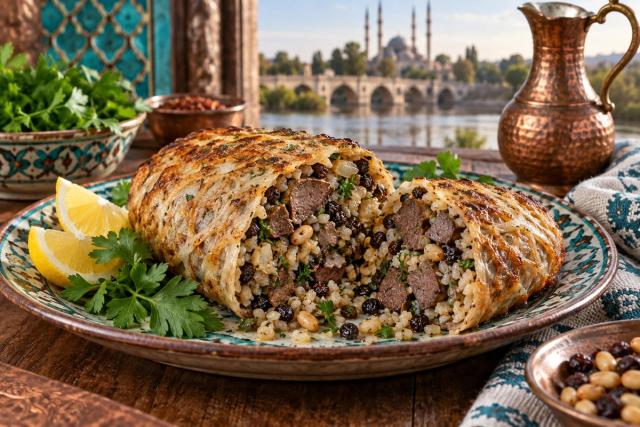
Lamb liver and rice with currants, pine nuts and herbs, wrapped in caul fat and baked. Ciğer sarma is associated with Edirne and the wider Thracian/Rumelian repertoire. This herb-and-spice adaptation keeps its lamb liver, rice and caul structure. Buy cleaned food-grade caul from a butcher.
Dried eggplant shells filled with beef, rice and currants, gently cooked in a tomato-and-pepper sauce. Currant-filled dried eggplant is associated with Denizli. This home version uses onion, herbs and mixed tomato and pepper pastes; local variations exist.