


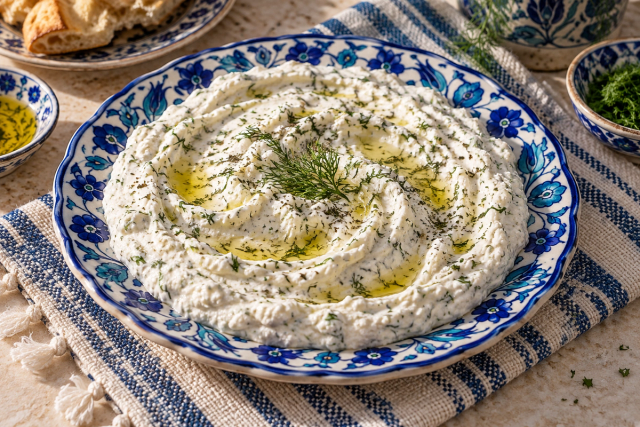
Thick Yogurt and Herb Meze
A spoonable strained-yogurt meze with white cheese, mint, dill and garlic.
The Turkish pantry
White-cheese shopping options vary in milk source, salt and texture, so the actual product defines the choice.
Last updated:
A clearly labeled comparison guide for two shopping options in our recipes, not one interchangeable cheese identity. Milk source, protected names, salt and texture depend on the actual product.
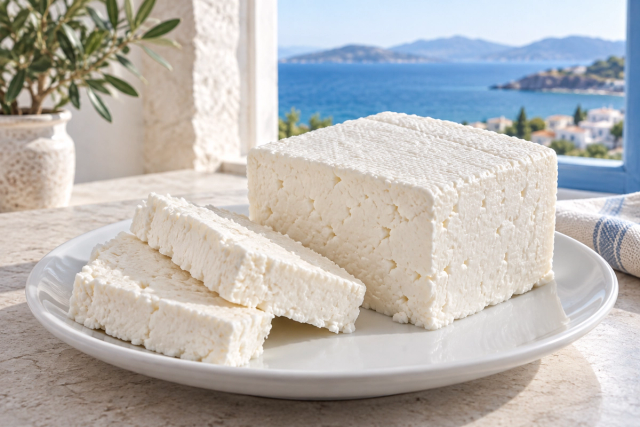
Read the milk source, fat level and maturation information on the package.
Keep its name and milk-source information distinct from Turkish beyaz peynir.
Expect differences in salt, moisture and crumbling texture. Adjust seasoning rather than treating their labels as identical.
Beyaz peynir comparison: Edirne cow-milk cheese, cited 2021 study [1]
| Nutrient | Amount |
|---|---|
| Energy | Not reported |
| Protein | 23.59 g |
| Total fat | 31.8 g |
| Saturated fat | Not reported |
| Carbohydrate | Not reported |
| Dietary fiber | Not reported |
| Total sugars | Not reported |
| Sodium | Not reported |
| Cholesterol | Not reported |
| Calcium | 1,027 mg |
| Iron | 0.58 mg |
| Potassium | 265 mg |
| Vitamin D | Not reported |
| Water | 39.76 g |
| Salt | 3,960 mg |
| Phosphorus | 883 mg |
| Magnesium | 42 mg |
These values describe the cited Edirne cheese study, not every beyaz peynir. Energy and carbohydrate were not supplied or calculated. Salt is separate from sodium. The illustration does not establish a specific origin. Values are rounded for readability; “not reported” does not mean zero. A “<” value is below the source’s measurement limit.
Nutrition values come from the reference source named above. They are published reference values, not our own measurements. Actual products and cooking methods may change the values.
Our haydari and mücver offer beyaz peynir or feta. The Ministry describes Edirne beyaz peynir as one Turkish cow-milk brined cheese; that example does not define every product sold as beyaz peynir.
A spoonable strained-yogurt meze with white cheese, mint, dill and garlic.
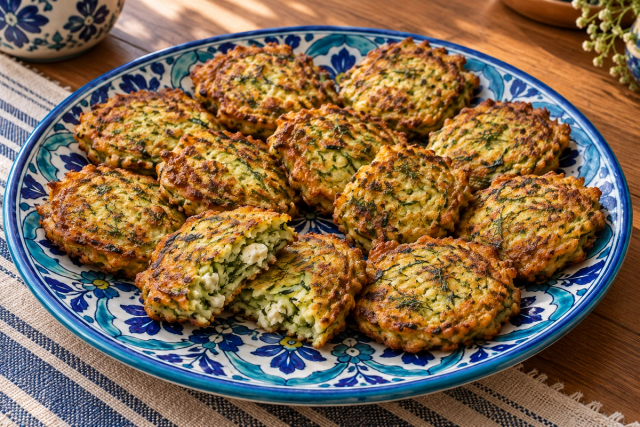
Kabak mücveri turns grated zucchini, white cheese and dill into small, golden pan-fried fritters.
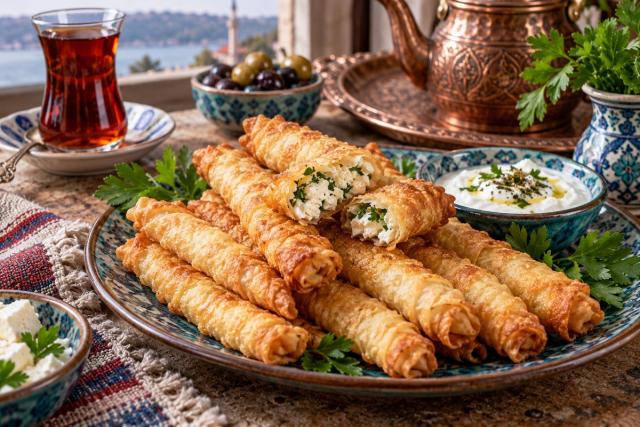
Crisp golden yufka rolls filled with white cheese, parsley and black pepper.
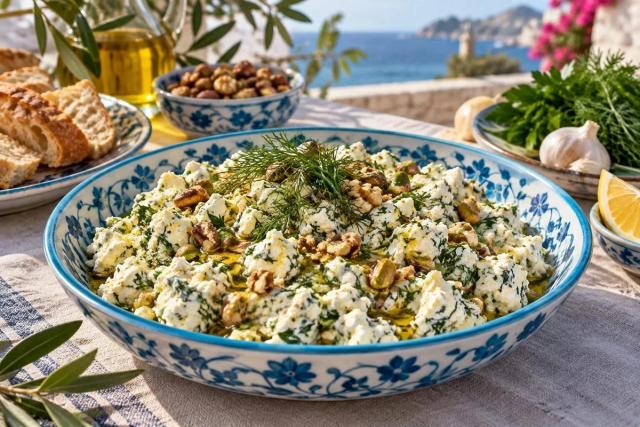
A textured white-cheese meze with strained yogurt, walnuts, pistachios and fresh herbs.
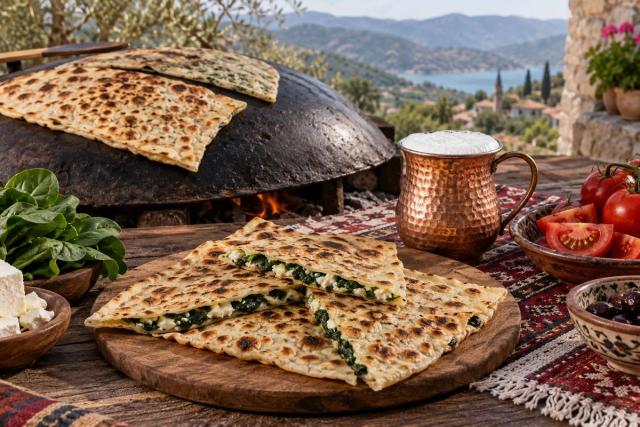
Thin hand-rolled flatbreads enclosing spinach, white cheese, onion and herbs.
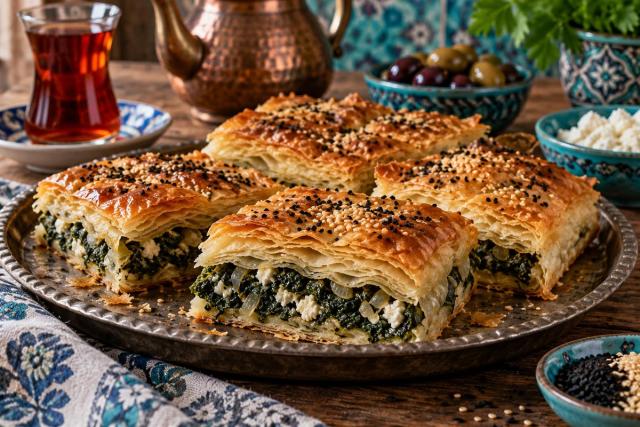
Crisp yufka layers with spinach, onion and an optional white-cheese filling.