


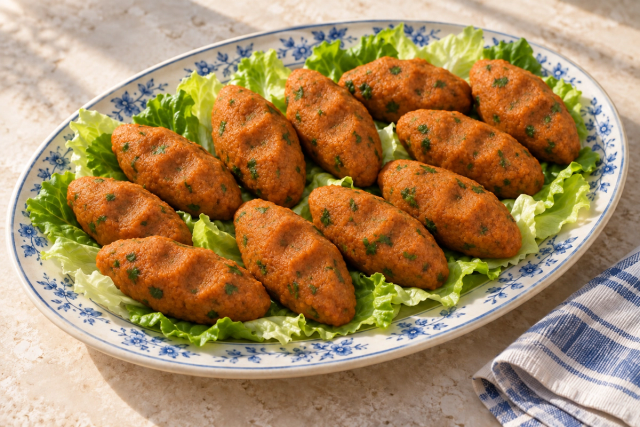
Red Lentil and Bulgur Patties
Mercimek köftesi combines soft red lentils, fine bulgur and herbs in hand-shaped patties served on lettuce.
The Turkish pantry
Spring onions, also called scallions, include both the white base and green tops.
Last updated:
Fresh spring onions or scallions, including white base and green tops. Bulb onions and leeks are separate ingredients.
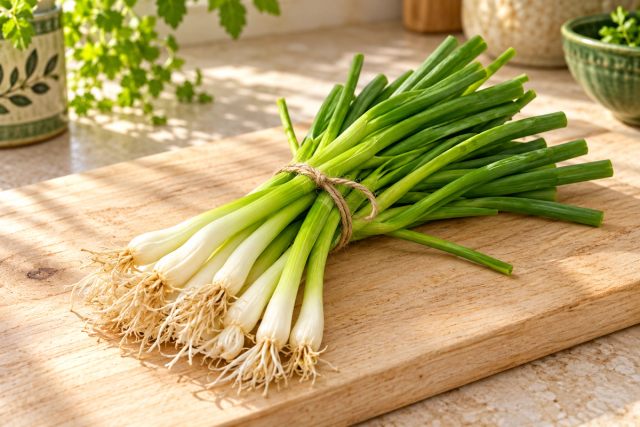
Both parts can be used when tender and sound.
A different balance of texture and flavor.
Can provide a mild onion note, but not the same bulk or white-base texture.
Onions, spring or scallions (includes tops and bulb), raw [1]
| Nutrient | Amount |
|---|---|
| Energy | 32 kcal |
| Protein | 1.83 g |
| Total fat | 0.19 g |
| Saturated fat | 0.03 g |
| Carbohydrate | 7.34 g |
| Dietary fiber | 2.6 g |
| Total sugars | 2.33 g |
| Sodium | 16 mg |
| Cholesterol | 0 mg |
| Calcium | 72 mg |
| Iron | 1.48 mg |
| Potassium | 276 mg |
| Vitamin D | 0 µg |
Raw spring onions including tops and bulb; not mature bulb onion or leeks. Values are rounded for readability; “not reported” does not mean zero. A “<” value is below the source’s measurement limit.
Nutrition values come from the reference source named above. They are published reference values, not our own measurements. Actual products and cooking methods may change the values.
Spring onions add fresh onion flavor to our lentil patties and zucchini fritters.
Mercimek köftesi combines soft red lentils, fine bulgur and herbs in hand-shaped patties served on lettuce.
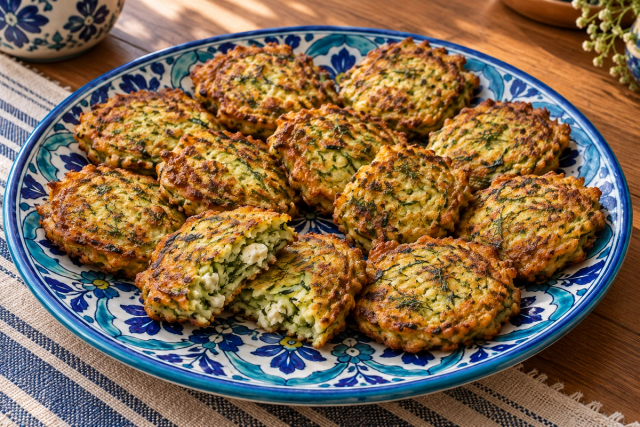
Kabak mücveri turns grated zucchini, white cheese and dill into small, golden pan-fried fritters.
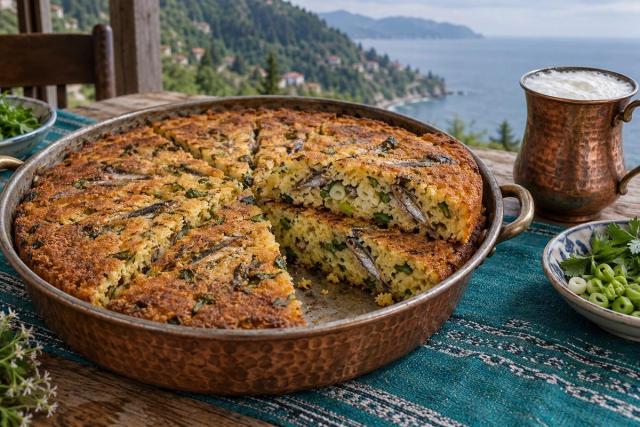
Dense savory cornmeal bread filled with anchovies, chard, spring onions and herbs.
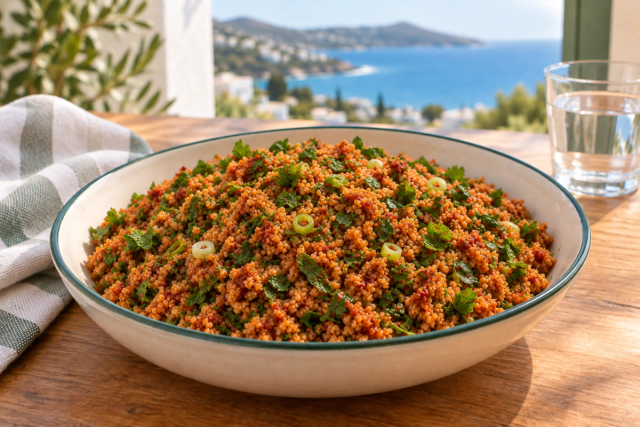
Fine bulgur coated with tomato and pepper pastes, lemon, pomegranate molasses and fresh herbs.
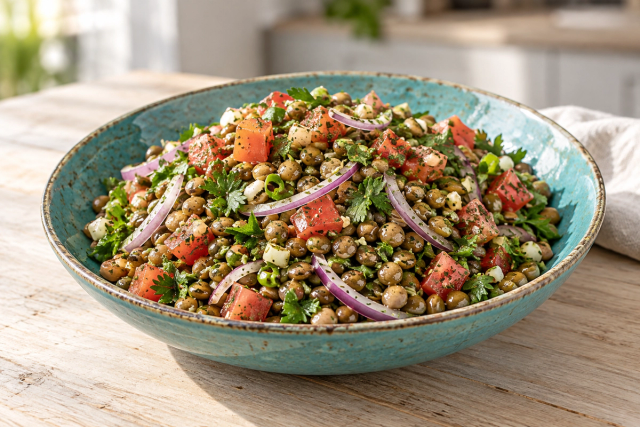
Whole green lentils with tomato, onions and parsley in a cumin, mint and lemon dressing.
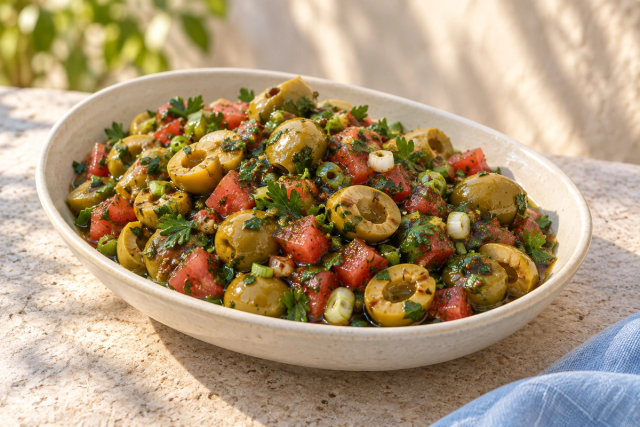
Green olives, tomato, parsley and spring onion in a tangy pomegranate and lemon dressing.
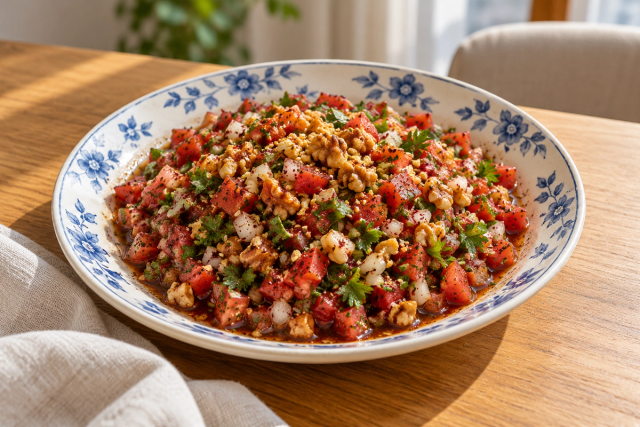
Finely diced tomatoes and onion with walnuts, sumac and a sweet-tart pomegranate dressing.
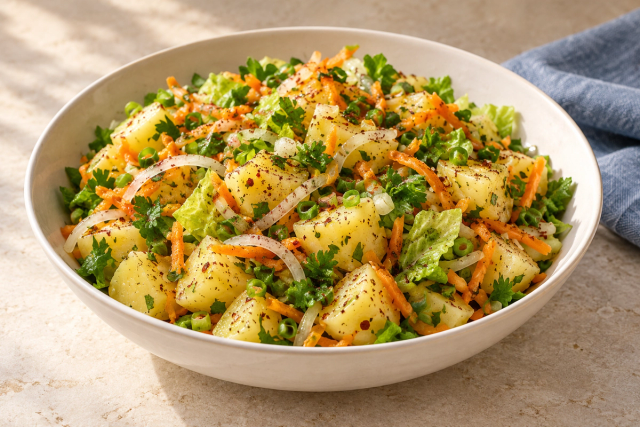
Potatoes, crisp greens and onion with a lemon dressing seasoned with sumac and red pepper flakes.