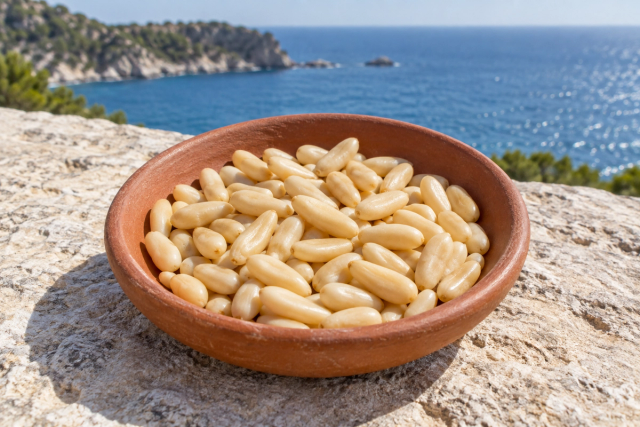
Small shelled pine kernels used for a gentle nutty accent in rice and fillings.
Last updated:
Pine nuts are edible kernels from certain pine species. This guide concerns plain shelled culinary kernels, not hard shells or a prepared pesto. Kernel length and shape vary; a picture does not prove a pine species or country of origin.
Types & forms
Plain shelled kernels
The edible ingredient before optional toasting.
Toasted kernels · comparison
Heating changes flavor and color; a salted product also changes the seasoning.
Prepared mixtures · comparison
Pesto, sweet coatings and mixed nuts have additional ingredients.
What to look for when buying
Check that the package contains pine kernels rather than a mixed product. Choose intact packaging and follow the stated storage instructions.
Buy an amount suited to your use. Avoid visibly moldy kernels or material with an unpleasant rancid smell; appearance alone is not a safety test.
Prepare & cook
Pick through for stray shell fragments. If the recipe calls for toasting, keep the kernels moving over moderate heat and watch closely as small kernels color quickly.
Remove from the hot pan when lightly colored rather than leaving them in residual heat. Add at the stage specified so a garnish does not become buried in a long simmer.
Store it well
Keep tightly sealed, away from heat, moisture and strong odors. Refrigerating or freezing well-wrapped kernels helps slow rancidity during longer storage.
Return the remaining supply promptly to storage and use a clean, dry utensil. Follow product dates and handling instructions.
Substitutions depend on the dish
Chopped walnuts
They add a different color, flavor and texture. Use only where the recipe accepts that change.
Omitting a garnish
When pine nuts are only a finishing garnish, omission may preserve the main recipe better than an unwanted substitute. Check whether they are instead part of a filling.
Plain dried pine kernels, edible portion; not shell weight, salted or oil-roasted nuts. Values are rounded for readability; “not reported” does not mean zero. A “<” value is below the source’s measurement limit.
Nutrition values come from the reference source named above. They are published reference values, not our own measurements. Actual products and cooking methods may change the values.
At the Turkish table
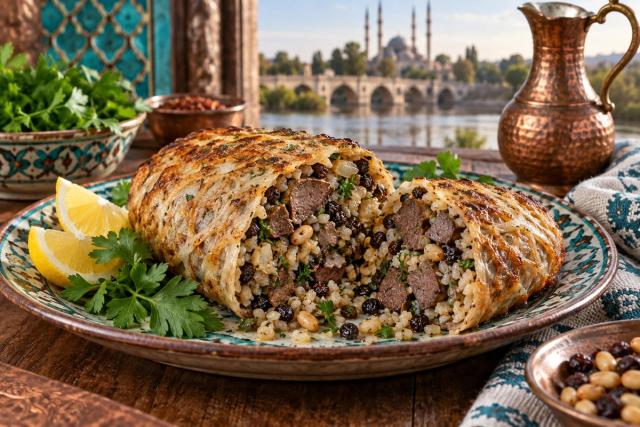
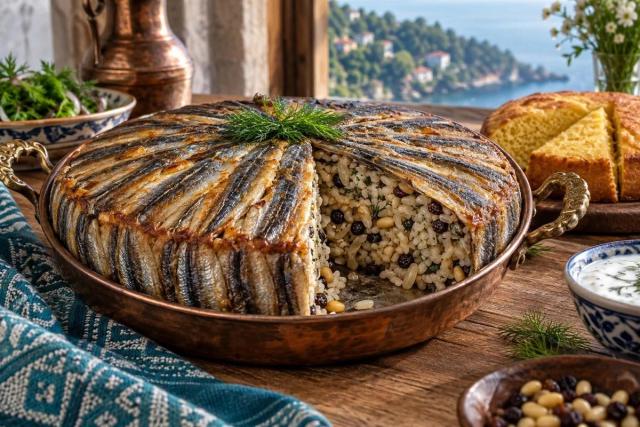
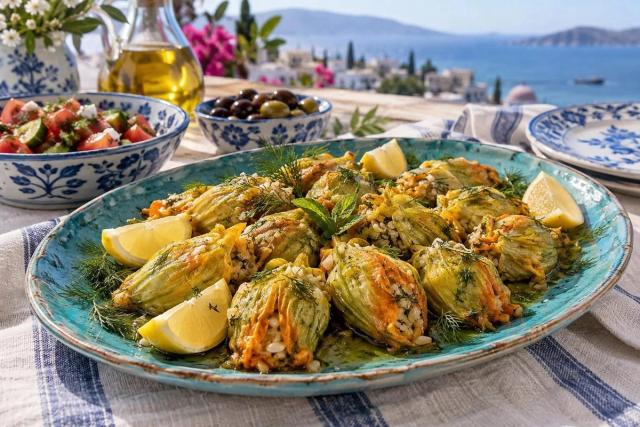
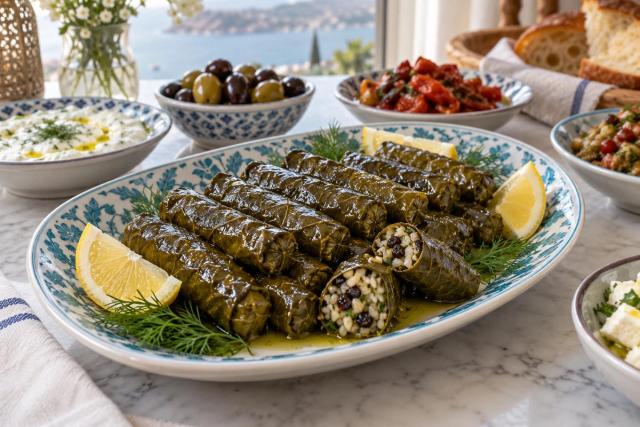
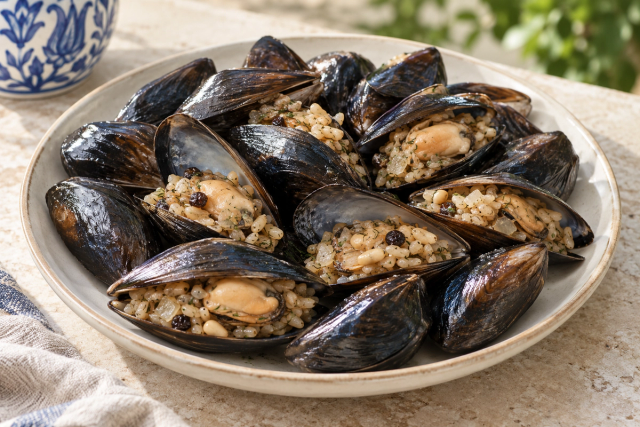
Çam fıstığı is used in this collection’s hamsili pilav and in the fillings for zucchini blossoms, vine leaves and caul-wrapped liver with rice. These are specific recipe choices, not a requirement for every Turkish pilaf or dolma.
Lamb liver and rice with currants, pine nuts and herbs, wrapped in caul fat and baked. Ciğer sarma is associated with Edirne and the wider Thracian/Rumelian repertoire. This herb-and-spice adaptation keeps its lamb liver, rice and caul structure. Buy cleaned food-grade caul from a butcher.