


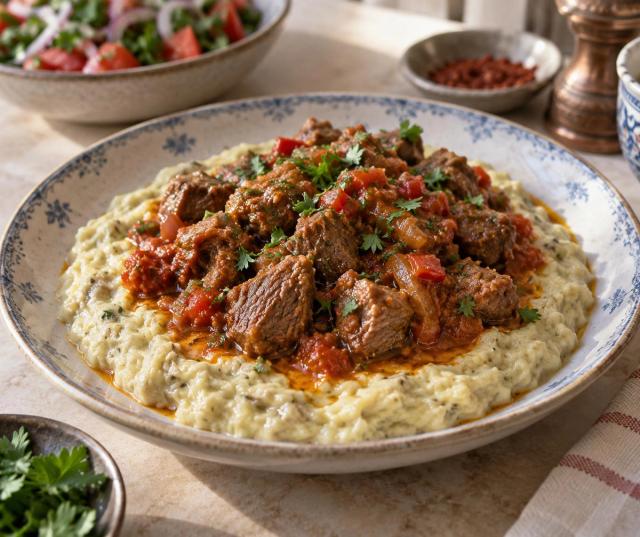
Lamb over Smoky Eggplant
Tender lamb in tomato sauce over a smoky eggplant purée enriched with milk and kaşar.
The Turkish pantry
A mild, sliceable Turkish cheese that softens into a stretchy layer in toast and hot dishes. Choose taze kaşar when the recipe needs a young cheese.
Last updated:
Kaşar is made by scalding and kneading acidified curd. This guide covers the unaged, fresh form; eski kaşar is a separate, matured choice with a different flavor and texture. Read the actual cheese name on the label rather than relying on the word tostluk.
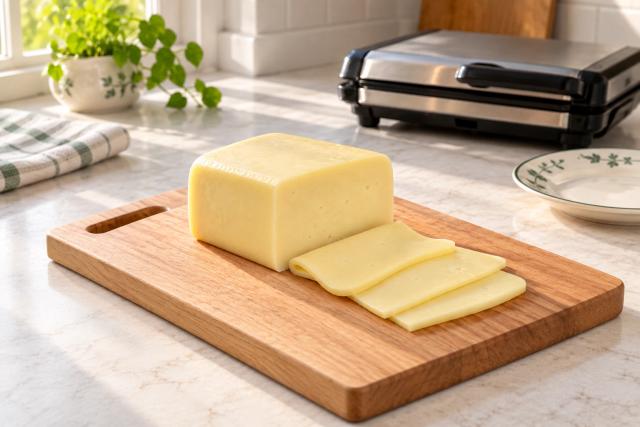
Slice for toast or grate shortly before cooking.
Convenient, but confirm that the product is fresh kaşar.
A different, matured form rather than fresh kaşar.
A functional alternative for a melted topping; flavor, salt and stretch will change.
Adds a more pronounced character. Treat the change as a recipe adaptation rather than a like-for-like replacement.
No verified nutrition data is available for this ingredient.
Kaşar appears in everyday hot sandwiches; the official Ordu tost recipe is one regional example. This does not establish a single origin for kaşar or tost.
Tender lamb in tomato sauce over a smoky eggplant purée enriched with milk and kaşar.
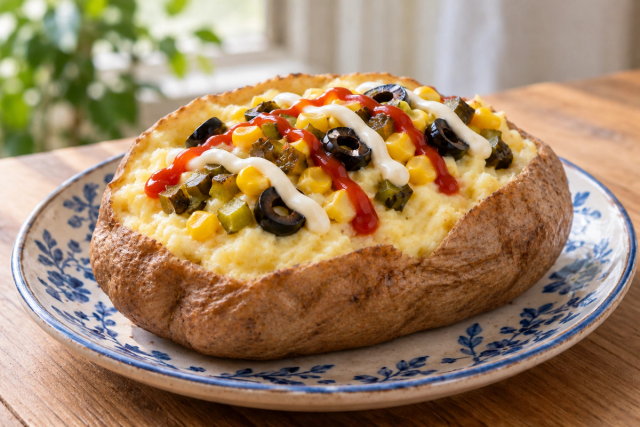
A large baked potato mashed inside its skin with butter and kaşar cheese, then topped with corn, olives, cornichons, mayonnaise and ketchup—an Ortaköy favorite.
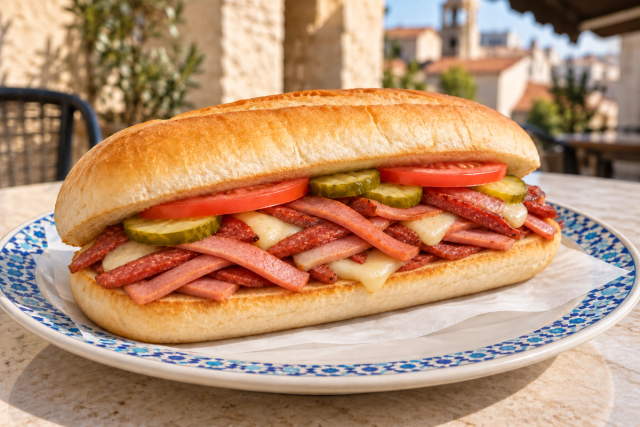
A generous Turkish street-food sandwich with pan-cooked sucuk, beef bologna and frankfurters, melted kaşar, tomato and cornichons in a lightly toasted roll.

A hot büfe sandwich with a ring-cooked egg, melted cheese and pickles. Inspired by our editor’s childhood memories of eating yengen at Antalya Spor Büfesi, this version features a round bun, grilled sucuk and sosis, melted kaşar, and an egg cooked in a metal ring.