


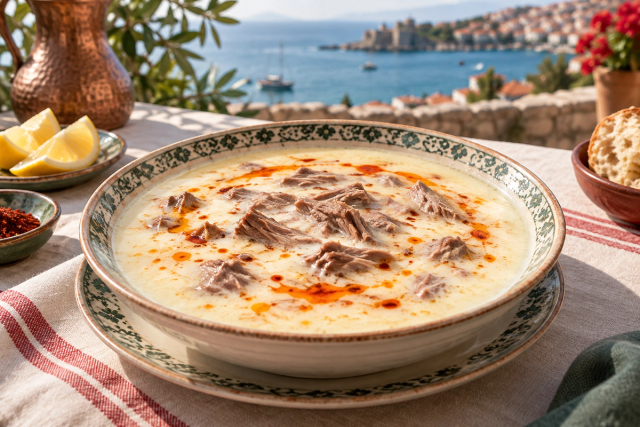
Yogurt Soup with Lamb
Shredded lamb in a creamy yogurt and lemon broth with warm paprika butter.
The Turkish pantry
The separated yolk adds richness and color; its role differs from a whole egg or an egg white.
Last updated:
This guide concerns raw chicken egg yolk separated from the white, before cooking. A cooked yolk, whole egg and commercial yolk product with added salt or sugar are different ingredients. Yolk color alone does not establish farming method, safety or nutritional quality.

The raw yolk portion of a chicken egg, without the shell or most of the white.
Check the ingredient list for added salt or sugar and follow the pack instructions.
Different proportions of fat, protein and water; these change how a recipe sets.
It adds white as well as yolk and changes the balance of the recipe; use a formula designed for whole egg.
Use the package equivalence and check added ingredients. A salted or sweetened product may require a different recipe.
Egg, yolk, raw, fresh [1]
| Nutrient | Amount |
|---|---|
| Energy | 322 kcal |
| Protein | 15.9 g |
| Total fat | 26.5 g |
| Saturated fat | 9.55 g |
| Carbohydrate | 3.59 g |
| Dietary fiber | 0 g |
| Total sugars | 0.56 g |
| Sodium | 48 mg |
| Cholesterol | 1,080 mg |
| Calcium | 129 mg |
| Iron | 2.73 mg |
| Potassium | 109 mg |
| Vitamin D | 5.4 µg |
Raw fresh chicken egg yolk, per 100 g without shell or white. Cooking and added ingredients change a finished serving. This is not a pasteurized commercial yolk preparation. Values are rounded for readability; “not reported” does not mean zero. A “<” value is below the source’s measurement limit.
Nutrition values come from the reference source named above. They are published reference values, not our own measurements. Actual products and cooking methods may change the values.
The linked recipes show the specific ways this site uses yolk, including enrichments and finishes. The ingredient links follow the stored yolk identity, not every recipe containing whole eggs.
Shredded lamb in a creamy yogurt and lemon broth with warm paprika butter.
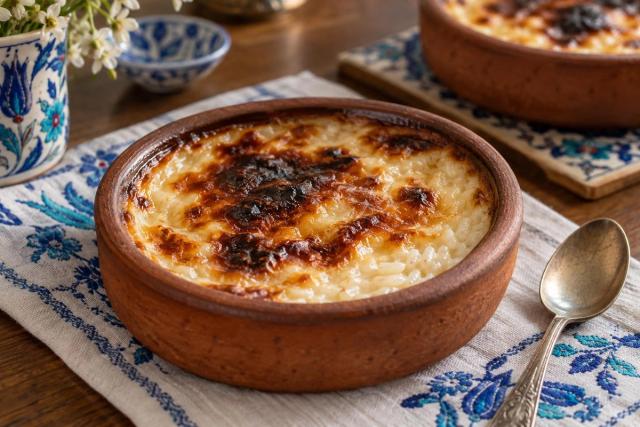
Creamy milk-and-rice pudding with an unevenly browned top, chilled in individual oven-safe bowls.
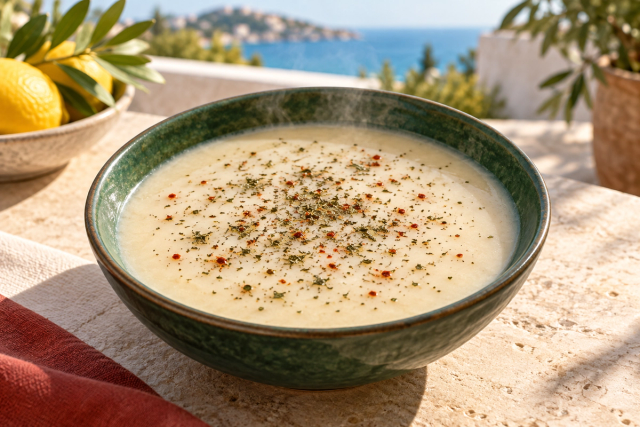
Slow-simmered beef-bone broth made silky with yogurt, egg yolk and lemon, with garlic and a light dried-mint finish. This terbiyeli version turns homemade beef-bone broth into a smooth, lightly tangy soup. A terbiye is the whisked yogurt, egg-yolk and lemon mixture added gradually to the hot broth; a little flour helps it hold together.
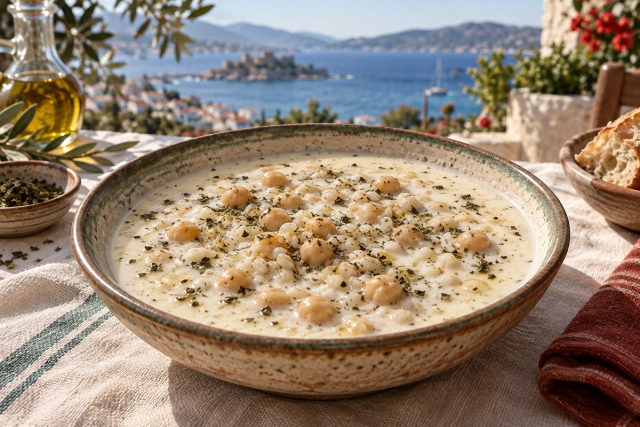
A creamy yogurt soup with tender wheat, chickpeas and dried mint butter.
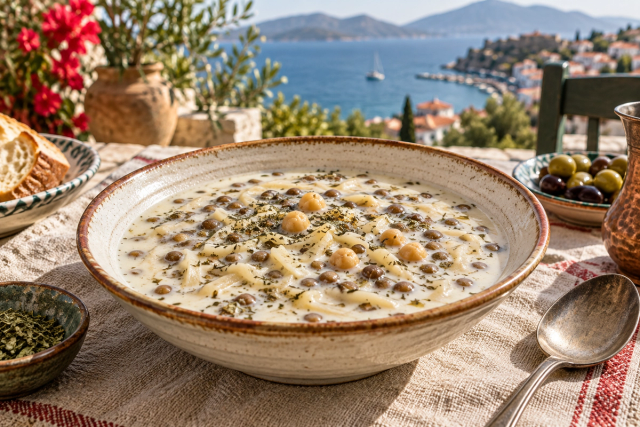
Short wheat noodles, green lentils and chickpeas in a smooth yogurt broth.
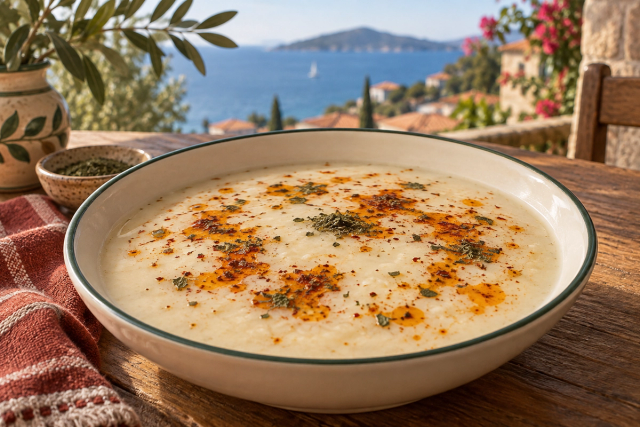
A gently tangy yogurt and rice soup finished with melted butter, dried mint and pul biber.
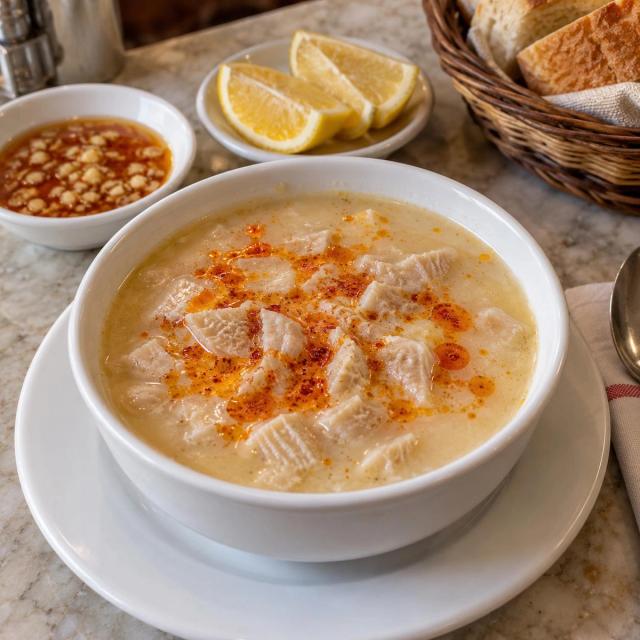
Tender beef tripe in a silky lemon-thickened broth, served with garlic vinegar.
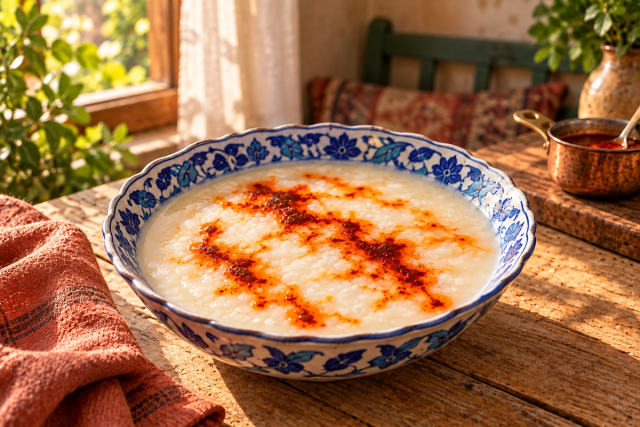
Rice simmered in milk, thickened with an egg-yolk mixture and finished with red-pepper butter.