Tiny dried grapes that bring little pockets of sweetness to rice fillings, pilafs and stuffed vegetables. Choose small seedless currants, then pick over and prepare them as the recipe directs.
Last updated:
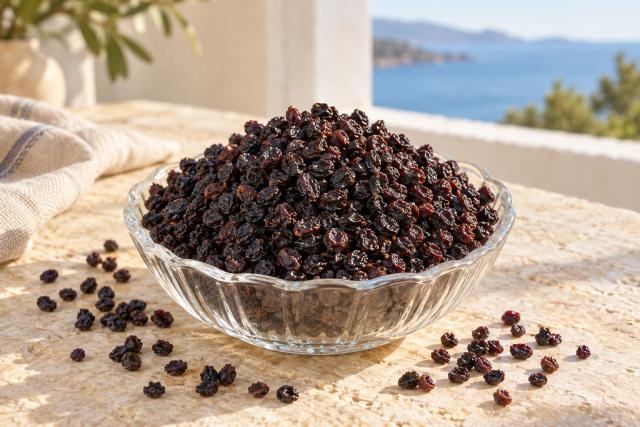
Kuru kuş üzümü here means small dried seedless grapes, also sold as Zante currants or Black Corinth raisins. They are not fresh blackcurrants or redcurrants from Ribes shrubs. This guide and its nutrition reference describe the dry fruit before soaking or cooking.
Types & forms
Dried Zante currants
Small, dark, wrinkled grapes that can be used whole in rice and stuffing. Check that the pack describes dried grapes or Zante currants.
Soaked currants
The same dried fruit softened in water as a recipe directs. Drain before adding when instructed; absorbed water changes its weight and texture.
Larger raisins or fresh currants · comparison
Larger raisins give a bigger bite; fresh redcurrants and blackcurrants are different fruits. Neither is the exact small dried ingredient shown here.
What to look for when buying
Look for small seedless dried grapes labeled currants, Zante currants or kuş üzümü. Check the ingredient list rather than relying on the word currant alone.
Choose an intact, well-sealed pack. Avoid fruit with visible mold, an unusual fermented smell or signs of insects; check the storage instructions and date.
Buy a pack size you can keep tightly closed after opening. Check any added oil, preservatives or other ingredients on the label if these matter for your recipe.
Prepare & cook
Spread out the portion and pick away stalks or other unwanted bits. Measure the dry fruit before soaking when the recipe gives a dry quantity.
If the recipe calls for rinsing, use a fine sieve so the small fruit does not escape. Soak only as directed, then drain well; do not pour unmeasured soaking water into a rice filling.
Keep the fruit whole for small, evenly scattered sweet bites. Fold it through the filling or pilaf at the stage given in the recipe so that its cooking follows the rest of the dish.
Store it well
Keep dry currants tightly sealed in a cool, dry, dark cupboard, away from steam and heat. Follow the pack’s instructions after opening.
Use a clean, dry spoon and reseal promptly. Moisture entering the container can encourage spoilage; discard moldy fruit rather than picking out only the affected pieces.
Prepare only the amount needed for the recipe. Do not return rinsed or soaked fruit to the dry pack; keep it covered in the refrigerator if there is a delay before cooking.
Substitutions depend on the dish
Seedless raisins
If the recipe allows, chop larger raisins into smaller pieces for a closer distribution. Their size, texture and sweetness still differ; this is a substitution, not the same ingredient.
Fresh blackcurrants, redcurrants or sweetened dried cranberries
These bring different acidity, moisture or added sugar. They are not a direct replacement in a rice filling; choose a recipe written for them.
USDA reference per 100 g of dried Zante currants. These are not values for soaked or cooked fruit or a finished dish; absorbed water changes composition per 100 g. Do not apply to fresh Ribes currants or larger raisins. Check the label on products with added ingredients. Values are rounded for readability; “not reported” does not mean zero. A “<” value is below the source’s measurement limit.
Nutrition values come from the reference source named above. They are published reference values, not our own measurements. Actual products and cooking methods may change the values.
At the Turkish table
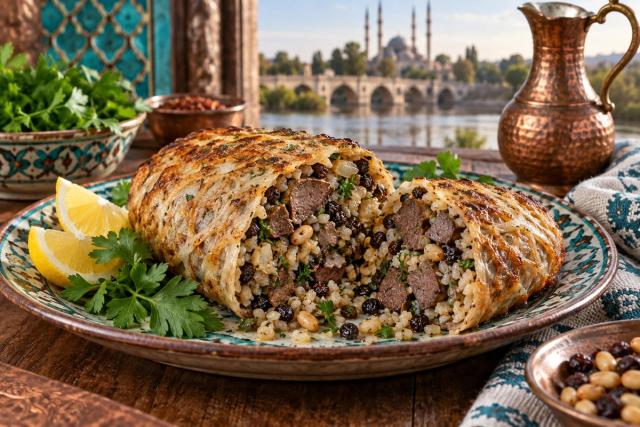
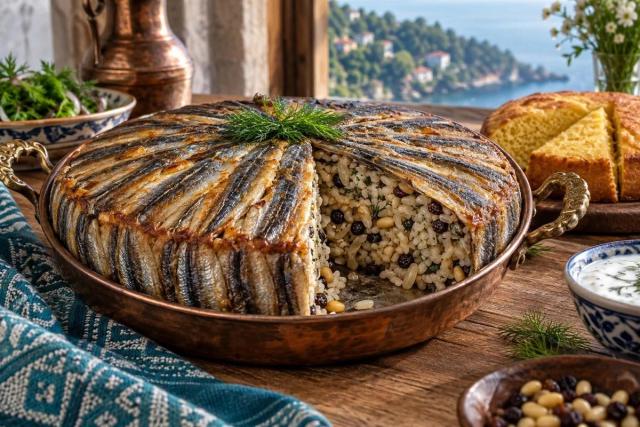
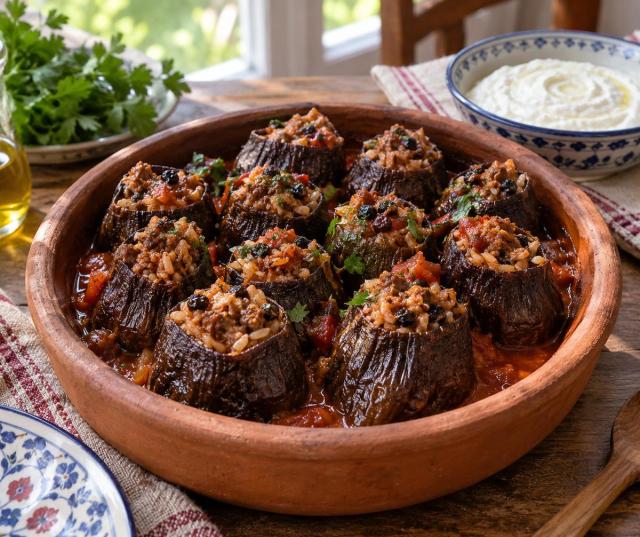
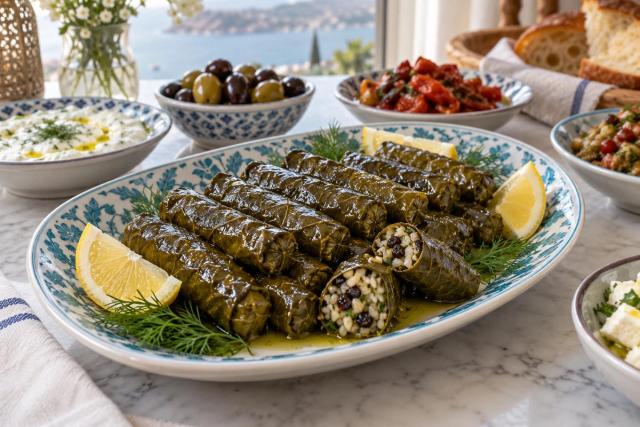
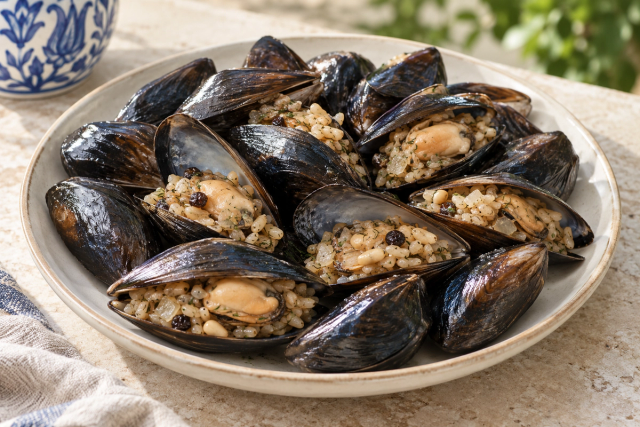
In this collection, dried currants appear in Ciğer Sarma, Hamsili Pilav, Kuş Üzümlü Kuru Patlıcan Dolması and Zeytinyağlı Yaprak Sarma. These recipes use small sweet pieces among savory rice and seasonings; the linked methods give the preparation for each dish.
Lamb liver and rice with currants, pine nuts and herbs, wrapped in caul fat and baked. Ciğer sarma is associated with Edirne and the wider Thracian/Rumelian repertoire. This herb-and-spice adaptation keeps its lamb liver, rice and caul structure. Buy cleaned food-grade caul from a butcher.
Dried eggplant shells filled with beef, rice and currants, gently cooked in a tomato-and-pepper sauce. Currant-filled dried eggplant is associated with Denizli. This home version uses onion, herbs and mixed tomato and pepper pastes; local variations exist.